Trump announces $8B fuel relief program for farmers, but timeline and payment details are hazy
Oct 21, 2026 | 6:01 am ET

Description
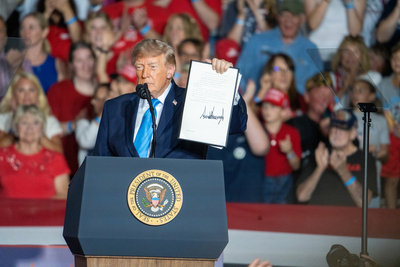
The U.S. Department of Agriculture will spend $8 billion in temporary aid to farmers, President Donald Trump announced on Oct. 19, 2026. (Photo by Cami Koons/Iowa Capital Dispatch)
President Donald Trump announced Monday that the U.S. Department of Agriculture will make $8 billion in one-time payments to American farmers to help offset “temporary market disruptions” and high fuel costs.
The announcement comes after repeated requests for relief amid high diesel fuel prices that economists attribute mostly to the war in Iran. Trump previously issued an executive order offering to make untaxed off-road dyed diesel available for on-road use to alleviate a small portion of diesel costs. Farmers and truckers have been hesitant to embrace this option, as it remains unclear whether the federal tax owed for on-road diesel will merely be deferred until a later date.
The Harvest Fuel Relief program will use a formula to determine how much farmers can receive based on the crops they grow and loss modeling, according to the USDA. Payment rates for Title I commodities — major row crops including wheat, soybeans, corn, oats, peanuts and more — are expected to be released in November. It’s not clear if they will come before or after the Nov. 3 midterm election. Payment rates for other commodities “will be announced at a later date,” and specialty crop producers and fishermen are “encouraged to provide data related to increased fuel costs” to the USDA via email for consideration.
The department has not released a payment timeline. And Congressional approval may be needed to shuffle funds to cover the $8 billion expense, Politico reported Tuesday.
More guidance issued on suspended enforcement of off-road diesel rules
Trump’s executive order instructing the U.S. Treasury Department to defer federal taxes on dyed off-road diesel and allow the slightly cheaper fuel to be used on highways runs through the end of the year.
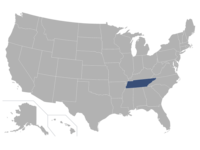
Tennessee Gov. Bill Lee said the state would suspend enforcement of its rules limiting the use of the red-dyed diesel fuel to off-road vehicles through the end of October.
State and federal fuel taxes are typically used to pay for road maintenance, so fuel used solely in off-road vehicles is usually exempt from these taxes. The tax-free fuel is dyed red to differentiate it from regularly taxed diesel.
The Internal Revenue Service, IRS, said it would not “impose a penalty when dyed diesel fuel is sold for use or used on highways nationwide” through Dec. 31, according to guidance issued on Oct. 14. The relief is retroactive to Oct. 1.
The IRS will pause fuel inspections for on-road dyed diesel for that time period.
While the IRS stated that “taxpayers need not maintain records necessary to substantiate their eligibility for relief,” national federation of energy trade associations Energy Marketers of America is encouraging its members to track gallons of dyed diesel sold to highway vehicles anyway. The organization emphasizes that the IRS has not yet indicated that the federal diesel tax will be forgiven, and that money may be difficult for fuel retailers to recover from customers later.
“If the deferred tax ultimately comes due, those records will be the best defense against an IRS estimate of liability,” Energy Marketers of America stated in an Oct. 15 regulatory alert.
Nashville, TN