Congressional candidates for Shelby County districts raise combined $4.6M in 90 days
Oct 21, 2026 | 6:02 am ET
Description
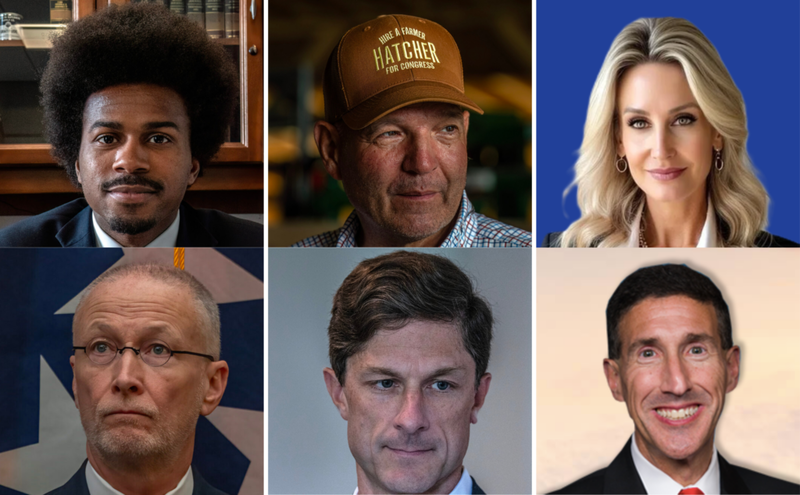
U.S. Congressional District 9 candidates Justin J. Pearson (D) and Brent Taylor (R); District 5 candidates Charlie Hatcher (R) and Chaz Molder (D); and District 8 candidates Heidi Kuhn (D) and David Kustoff (R). (Pearson, Taylor, Hatcher and Molder photos by John Partipilo for Tennessee Lookout; Kuhn photo courtesy of kuhnforcongress.com; Kustoff photo courtesy of kustoff.house.gov)
Candidates for Tennessee’s three newly drawn congressional seats that represent parts of Shelby County raised a combined $4.6 million in the 90 days leading up to October, campaign finance records show.
Tennessee’s Republican supermajority redrew the state’s congressional district map in May, splitting Democratic stronghold Shelby County into three districts in an attempt to create another Republican-held seat in the 2026 midterms.
The 5th and 9th districts now stretch from Memphis to Middle Tennessee, and the hundreds of thousands of dollars flowing into those races show both parties are treating them as competitive. Both seats are open, meaning there are no incumbents to contend with.
The District 9 race has the narrowest projected Republican advantage with a lean of five to nine points. The district also drew the most contributions during the third quarter. State Rep. Justin J. Pearson, a Memphis Democrat, raised nearly $1.3 million between July 1 and Sept. 30, reports show. The majority of that funding came from individuals, with about $62,000 coming from political party committees and political action committees, or PACs, according to Pearson’s October 2026 filing with the Federal Election Commission.
Pearson faces Sen. Brent Taylor, a Memphis Republican, who reported the second-highest contributions in quarter three. Taylor’s roughly $1.1 million in contributions includes about $543,000 in loans, followed by $432,000 in individual contributions and around $169,500 in contributions from political party committees and PACs.
Candidates for District 5 — which now stretches from Memphis through Northwest Tennessee and part of Williamson County — brought in nearly $1.8 million combined since July 1. The district has a Republican lean of between six and 10 points.
Former Tennessee Agriculture Commissioner Charlie Hatcher, a Republican, reported just over $1 million in contributions, including $849,000 from individuals and about $141,000 from PACs or party committees. He also personally kicked in more than $10,000.
Columbia Mayor Chaz Molder, Hatcher’s Democratic opponent, raised nearly $781,000 in quarter three. Molder’s receipts include $629,000 from individuals, $102,000 from PACs or party committees, and about $48,000 in transfers from other committees.
In the 8th Congressional District, incumbent Republican Rep. David Kustoff faces Democratic candidate Heidi Kuhn. This race’s cash infusion didn’t come close to the amounts given in the other Shelby County seats. Kustoff, who was first elected to the seat in 2016, raised just under $286,000 to add to his expansive existing war chest. Of that, $123,000 came from party committees or PACs.
Kuhn, the former Shelby County Criminal Court Clerk, reported raising nearly $55,500 from individuals.
Kustoff has the most cash on hand with nearly $3 million. He reported spending $305,000 since July 1 to defend his seat against Kuhn, who reported $20,500 on hand and spent around $50,000 in that 90-day period.
In the non-incumbent races, Democratic candidates have the most cash on hand leading up to the election, reports show.
Pearson reported nearly $1.2 million remaining in his campaign account, and Molder reported about $1 million.
Taylor is not far behind with about $822,000, and Hatcher has $753,000.
Molder’s campaign spent the most in the third quarter at nearly $1.2 million, followed by Pearson with $973,000 in expenses.
Taylor spent $740,000 and Hatcher spent $352,000.
Nashville, TN