A midwife solution to Nevada’s maternity care problem
Oct 20, 2026 | 7:46 am ET
Description
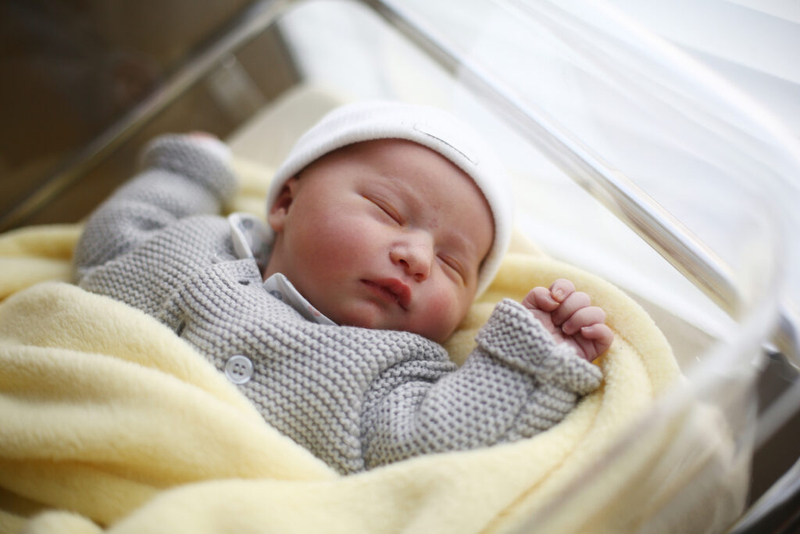
(Photo: Catherine Delahaye/Getty Images)
Nevada recently received an overall failing grade on the March of Dimes 2025 Report Card for key indicators of maternal and infant health. March of Dimes is a leading U.S. nonprofit organization that works to improve the health of moms and babies with a focus on ending preventable morbidity and mortality and correcting inequitable outcomes. The report card for Nevada shows poor grades for preterm birth rates, adequacy of prenatal care, the low-risk cesarean birth rate, infant death rates, and the maternal death rate. Notably, Carson City and Las Vegas are called out for their F grades on preterm birth rates.
Nevada state lawmakers have rightly made improving maternal and infant outcomes a priority as they prepare for the upcoming legislative session, with maternal health provisions proposed in a state “momnibus” bill. But for these efforts to be effective, our legislative and policy leaders need to expand and strengthen two underused and previously overlooked solutions: accredited freestanding birth centers and integrated access to licensed midwives.
Birth centers are freestanding health care facilities focused on providing midwifery-led maternity care services. Birth centers offer highly personalized attention, holistic support programs and comprehensive midwifery care, while coordinating consultations with physicians and hospital transfers as needed.
Research consistently shows that low-risk women who receive care at accredited, freestanding birth centers have better outcomes when compared with similar women who receive hospital-based maternity care. That’s why leading organizations like The American College of Obstetricians and Gynecologists and the Society of Maternal-Fetal Medicine recognize accredited birth centers as an integral part of the health care system in the U.S.
Midwifery care through birth centers also lowers costs. Most savings come from lower cesarean rates for low-risk women, lower preterm birth rates, and lower rates of neonatal intensive care unit (NICU) admissions, all of which can be costly for families and society. For example, in Nevada it is estimated that the annual cost associated with each preterm birth is around $65,000. According to the think tank Heartland Forward, the total workplace productivity lost due to preterm births cost the state $6,648,863 each year between 2014-2020.
Midwifery care—whether in homes, hospitals, or birth centers—has also been shown to provide better experiences for mothers, with lower rates of reported mistreatment, disrespect, and abuse. This is particularly true for Black women and other minoritized groups who experience harm at higher rates during pregnancy, birth, and postpartum.
Better access to midwives and birth centers isn’t a solution by itself. To work safely, midwives must consult with physicians and make coordinated transfers to obstetricians and hospitals for medically complex pregnancies and births, and in cases of rare obstetric or newborn emergencies.
That’s why it’s important for Nevada to improve its integration of midwives across all birth settings, meaning that women have routine access to midwifery care for home births, birth center births, and hospital births without discrimination. While Nevada is a strong parental rights state where the right to home birth with any chosen birth attendant has been defended in previous legislative sessions, our ranking for midwifery integration is the lowest among the Western states.
In addition to low midwifery integration, Nevada has one of the smallest midwifery workforces in the country. Nevada continues to be the only state in our region with no pathway to licensure for Certified Professional Midwives who focus on births in homes and birth centers. Meanwhile, Certified Nurse Midwives, who mostly attend childbirth in hospitals, do have an autonomous licensure pathway, but often face restricted hospital privileges, are excluded by insurance payers, and receive unsustainable reimbursement rates.
This matters because where midwives have greater integration in a healthcare system, mothers and newborns have better outcomes on a host of quality measures, including many of the ones for which Nevada is graded so poorly. Our fellow Western states of Washington and Oregon, for example, have seen great successes with high midwifery integration and the resulting association with better perinatal outcomes.
Expanding access to midwifery and freestanding birth centers can also address the lack of childbirth providers across the large rural and frontier areas of Nevada. A March of Dimes report shows that 47.1% of counties in Nevada are maternity care deserts, which means they lack a hospital or birth center offering childbirth services by a licensed midwife, obstetrician, or family physician.
Nevada has the capacity to scale up its midwifery workforce and the capability to support freestanding birth centers in areas of need. The UNLV School of Nursing has had a Master of Science Nurse-Midwifery program since the fall of 2023. State-directed funds that support the ability of UNLV to continue to educate and retain Certified Nurse Midwives to work in Nevada are vitally important. Nevada also has the opportunity in the upcoming legislative session to pass an optional licensure bill for community-based Certified Professional Midwives, who are already popular and practicing throughout Nevada, but who currently remain without a pathway to licensure which limits their ability to work with more families and be a recognized part of the healthcare system.
There are promising developments already happening in our state that demonstrate solutions for how we can improve the health and happiness of our moms and babies. For one, Nevada already has an existing facility model for how to provide excellent maternal and newborn outcomes in the community: Serenity Birth Center in Las Vegas, the only freestanding birth center in the state. Serenity is also where I am a co-medical director and work as a midwife. Midwives at Serenity have attended over 1,200 births since the center opened five years ago and the performance outcomes for the moms and babies at Serenity earn an A-grade by the same March of Dimes indicators for which Nevada is failing.
Additional encouraging news is that the Nevada Health Authority is working to support access to birth center care for women and their newborns who rely on Medicaid. Currently, state Medicaid programs must cover licensed freestanding birth centers, but without reasonable contract rates for essential services, birth centers are forced to deny services to Medicaid-covered clients due to an inadequate payment structure that does not cover the costs of care.
The evidence is clear. Nevada needs to increase midwifery integration through updated regulatory and payment structures that recognize licensed midwives and community-based birth options as essential parts of the solution to our state’s maternity care crisis. If we continue to neglect these proven solutions, we will continue to be an outlier among the Western states with more money spent while Nevada moms and babies continue to suffer from avoidable pregnancy and childbirth-related harms.
Las Vegas, NV