Friends of Minidoka symposium connects Japanese-American incarceration to immigration debate
Oct 19, 2026 | 6:05 am ET
Description
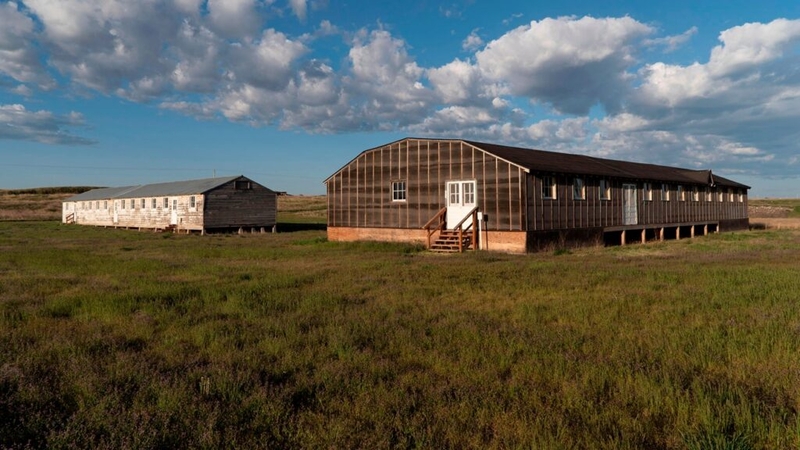
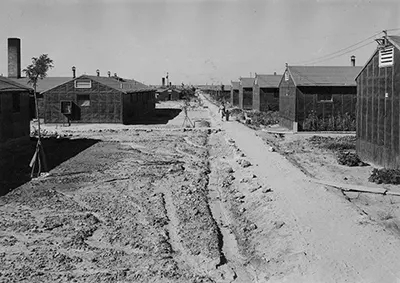
The Minidoka National Historic Site in southern Idaho offers 1.6 miles of gravel walking trails. Visitors may explore the site and the exteriors of historic structures at their own pace. Educational exhibits are placed along the trail to provide information. (Photo courtesy of the National Park Service)
The Friends of Minidoka nonprofit will host its 2026 symposium, which will feature a film screening, legal discussion and lecture, “to consider the enduring importance of due process, equal protection, and civic engagement in protecting our civil liberties and strengthening democracy,” according to a press release from the organization.
The 2026 Civil Liberties Symposium, titled Law, Civil Liberties, and the Continuing Pursuit of Justice: From Wayne Collins to Today, will examine how “the unjust incarceration of Japanese Americans during World War II continues to inform contemporary debates surrounding immigration, detention, national security, and constitutional rights,” the press release said.
The series begins Thursday with a screening of “Wayne Collins: One Fighting Irishman,” a 30-minute documentary about the San Francisco attorney who spent more than two decades defending Japanese Americans who renounced their U.S. citizenship under duress while imprisoned at the Tule Lake Segregation Center during World War II.
The screening will be followed by a discussion with Emily Croston, staff attorney with the ACLU of Idaho, and Wendy Olson, former U.S. attorney for the District of Idaho and chairwoman of the Idaho State Bar’s Diversity Section.
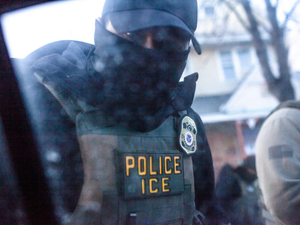
On Nov. 5, the group will host its 2026 distinguished lecture: “Mass Deportation, Detention, and ICE: How We Got Here and What We Can Do,” presented by Kari Hong, the director of the Immigration Law Clinic at the University of Idaho College of Law.
Drawing on her experience as an immigration attorney, public interest lawyer, and legal scholar, Hong will examine the history and present-day realities of immigration enforcement and detention, along with opportunities to protect the rights of affected individuals. The lecture will be followed by a moderated Q&A session with the audience.
The symposium concludes Dec. 8 with an online presentation of Hong’s distinguished lecture, offering another opportunity for community members to participate and engage with these issues.
“History reminds us that civil liberties can be threatened when fear and claims of national security are used to justify the erosion of constitutional protections,” said Robyn Achilles, executive director of Friends of Minidoka. “By bringing historical perspectives into conversation with today’s legal challenges, the Civil Liberties Symposium creates opportunities for our community to learn, ask difficult questions, and consider our shared responsibility to uphold justice.”
All events are free and open to the public, with registration required. For event details and registration information, go to minidoka.org/2026-civil-
Friends of Minidoka worked with the University of Idaho College of Law, the ACLU of Idaho, Idaho State Bar Diversity Section, Boise State University, Boise State Public Radio, Boise Valley Japanese American Citizens League, and LED, to organize the symposium.
Boise, ID