Elections Commission to send clerk guidance on law enforcement at polls
Oct 15, 2026 | 4:37 pm ET
Description
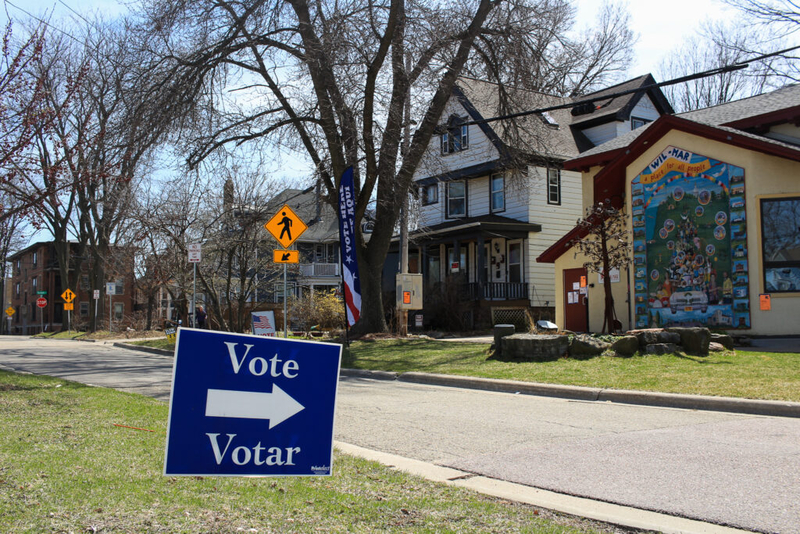
The polling site at Madison's Wil-Mar community center during Wisconsin's 2026 spring election. (Henry Redman | Wisconsin Examiner
The Wisconsin Elections Commission voted Thursday to send a memo to clerks across the state with guidance for what they should do if local, state or federal law enforcement shows up at polling places.
WEC discussed the guidance as fears have risen across the country that President Donald Trump could send armed federal agents to polling places in an effort to intimidate voters.
The agency’s administrator, Meagan Wolfe, said at the commission’s Thursday morning meeting that “we don’t expect anything unusual at the polls on Election Day.”
“We expect voters to have the same experience that they’ve had at previous elections, and so by no means are we looking to make anybody feel panicked or anything about this,” Wolfe said. “But clerks are asking very directly for this type of information because they are getting hundreds of emails from voters and from groups asking, ‘Do you have a plan if these sorts of things were to happen?’ And so I see this just like any other contingency planning that we do to assist our clerks.”
The memo to be sent to clerks notes that unless law enforcement officials are conducting a legitimate law enforcement activity or casting their own ballots, they generally shouldn’t be at the polls. If they are, the memo states, officers are subject to the same rules as any other election observer. Armed federal agents and the military are not allowed at polling places.
The guidance says that if agents from Immigration and Customs Enforcement, Homeland Security or the FBI show up at the polls, poll workers should immediately notify the municipal and county clerks and WEC staff.
The commissioners noted that in many communities across the state, local law enforcement regularly checks in with election staff to make sure there aren’t any problems. Commissioner Ann Jacobs said it’s preferable if that’s done by plainclothes officers, because that’s less intimidating than a uniformed officer with a gun and bulletproof vest on.
Republican Commissioner Robert Spindell said he was worried the guidance would depress turnout.
“It seems to me that the Democrats are worried about federal agents showing up at some of these polling places, and you know, obviously, to instruct the clerks what to do if they do,” he said. “But I think this guidance is only going to scare away some people from the polls when they, when this law enforcement guidance hits the news. I think it will, and I personally think this guidance is unnecessary, as we have not seemed to have needed this for the last 201 years.”
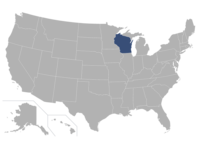
Madison, WI