Hemp can be a winner for KY. But it needs legislative stability.
Oct 15, 2026 | 5:30 am ET
Description
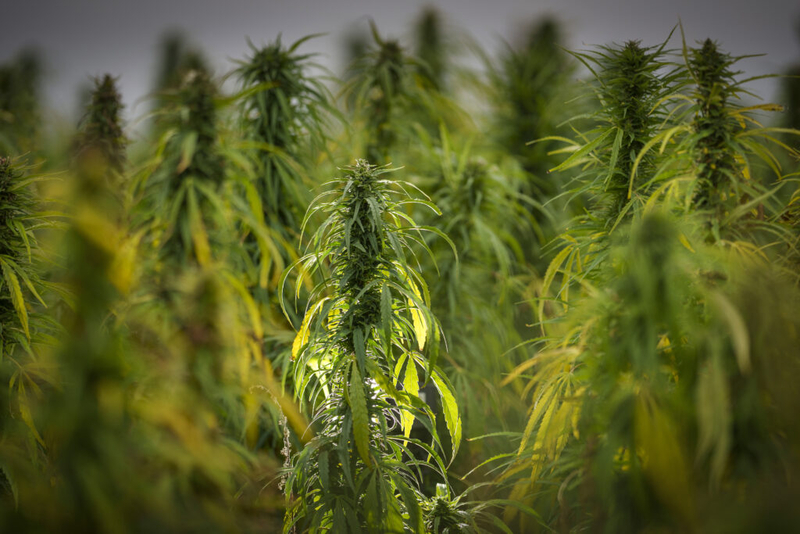
Kentucky was a top producer of hemp before World War II. (Photo by Christopher Furlong/Getty Images)
Farmers are reeling from tariffs, rising fuel and fertilizer costs, soaring insurance premiums, and the increasing cost of debt. Now, more than ever, America’s agricultural community needs diversification. Agricultural hemp is part of that solution.
“We farm 25,000 acres of soybeans, wheat and corn, and to be an enduring enterprise we, like most farmers, need meaningful diversification,” says Alice Peterson, president of Kentucky Heritage Hemp and whose family owns Peterson Farms. “We made significant investments in hemp after the 2014 pilot program was introduced. We learned a lot about growing hemp, added processing capabilities, and built a strong hemp business. With legislative stability, we know that hemp can be a winner for the American farmer.”
That need for legislative stability is now urgent.
According to a September 2026 report by Whitney Economics, “data from hemp operators in 35 states indicates a profitable, growing industry that is adapting to expanding state regulations. The report estimates a $38.7 billion total addressable market, approximately 350,000 jobs, and $13.9 billion in wages. Hemp cannabinoids and the growing hemp beverage sector are significant contributors to the U.S. and state economies.”
But an unexpected federal ban, put in place by Sen. Mitch McConnell, who had championed the 2018 farm bill, has put all that in jeopardy.
According to Whitney, the ban, which would take place in December, “threatens to eliminate the majority of the nation’s 50,000 hemp operators, displace an estimated 225,000 jobs, reduce potential state sales tax revenue by $2.1 billion, and effectively shut down the cannabinoid industry.”
For farmers and businesses that have invested years and significant capital, the consequences would be devastating.
Kentucky’s model for research and regulation
Kentucky has already demonstrated what responsible hemp policy can look like.
The state’s 2014 Hemp Pilot Program, under the direction of then-Kentucky Agriculture Commissioner James Comer, was a four-year research program that allowed farmers, businesses, and regulators to better understand production methods, market dynamics, and consumer demand. Lessons learned during those years helped pave the way for the Hemp Farming Act of 2018, removing hemp and its derivatives from the federal Controlled Substances Act.
Since legalization, Kentucky farmers, businesses, and industry organizations have worked with regulatory bodies, including the Kentucky Department of Agriculture, USDA, and Kentucky Department for Public Health to develop responsible standards for safety, licensing, manufacturing, product testing, packaging, distribution, and retail sales. The result is an agricultural industry that has demonstrated the potential for sustainable production, positive income per acre, entrepreneurial opportunity, and growing consumer demand alongside public safety.
Kentucky offers an important lesson for policymakers: regulation can evolve as an industry evolves.
There are encouraging signs that some policymakers in Washington understand the need for a regulatory solution rather than prohibition.
U.S. Representatives Andy Barr (R-KY) and Angie Craig’s (D-MN) have co-sponsored the Lawful Hemp Protection Act, which establishes similar taxation and consumer protection mechanisms for the entire market as opposed to a single product category.
The choice before us should not be framed as hemp versus public safety because regulation will provide more public safety than prohibition. The real choice is whether we will establish a thoughtful regulatory system or leave consumers, farmers, businesses, and states to deal with the consequences of an abrupt and sweeping prohibition.
Rather than discard the lessons learned through more than a decade of hemp research, production and regulation, federal policy makers should work with states like Kentucky, Minnesota and Tennessee that have already developed regulatory and taxation mechanisms. Once a tax measure is established, a portion of that revenue should be reinvested to support harm reduction and future industrial hemp market opportunities.
Frankfort