The true cost of mass deportation isn’t just the price tag
Oct 13, 2026 | 4:43 pm ET

Description
(Photo by Ben Ackman/New Jersey Monitor)
As a college student in South Phoenix and someone who was once undocumented myself, I know deportation is not an abstract political talking point. I have watched friends and neighbors disappear from our community after being deported and the lasting damage that separation leaves behind.
A neighbor shared how her husband’s decision to self-deport has changed her day to day life completely. She mentioned how fear and hopelessness had taken over her husband’s mind. He would not go outside due to the risk of deportation or potentially be taken to a detention center. Since he self-deported, she now has to work two jobs to keep up with bills and living expenses, not to mention how hard it is to be away from her partner and lose his emotional support. She is exhausted.
The Economic Policy Institute’s Cost of Deportations Calculator puts another dimension of that harm into numbers. Using an estimate from the National Priorities Project, EPI calculates that the federal government could spend roughly $269 billion on mass deportation during the second Trump administration.
That is an enormous amount of taxpayer money that could instead support teachers, nurses, firefighters, veterans’ health care and other priorities. Let’s remember that “taxpayers” includes the undocumented workers paying taxes, too. Policymakers sometimes forget to include or highlight how they, too, contribute to the billions previously mentioned.
As a future Certified Public Accountant, the numbers matter to me, just as the lives in my community matter to me.
In Phoenix alone, instead of spending over $1 billion — or $2,045 per taxpayer — on mass deportations, Phoenix taxpayers could fund more than 4,000 firefighters, 23,000 slots for low-income children in Head Start (something that is critically needed in South Phoenix), 4,500 more teachers in our public schools and more.
Don’t take my word for it: Look up your own community. In mine, you will find reports of public schools closing and family homes ransacked by ICE agents. What doesn’t show up on a website is my neighbor’s story, and the dollar amount her husband contributed as a taxpayer over the course of his working life.
When people are deported, communities lose workers, consumers, taxpayers, neighbors and small-business owners. Families lose income. Local businesses lose customers. Children lose parents and caregivers. Neighborhoods lose people who have spent years building lives and investing in businesses here.
We should have serious conversations about immigration policy while still asking whether mass deportation is worth its enormous financial and human costs. I know it is not. As Arizonans, we should look beyond the price tag of deportation and ask what kind of communities we are paying to build — and what we are willing to lose in the process.
I am not willing to lose my future and career in this country. It is something that I have not built alone — my husband, family, friends, and community are a part of my success. We are worth the fight and the opportunity to build the future impacting our communities and generations to come.
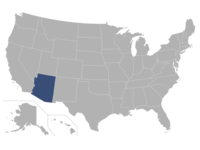
Phoenix, AZ