Indiana shows states how to stop the Medicaid abuse, protect the care
Oct 13, 2026 | 5:00 am ET

Description
Applied behavioral analysis is a therapy that helps kids with autism, but Indiana has had to strengthen guardrails on the expensive service. (Getty Images)
Medicaid dollars intended for vulnerable children and families are not a slush fund. Every dollar lost to fraud, waste, inflated billing, or care that was never properly delivered is a dollar taken from a child who genuinely needs help. And when government fails to protect those dollars, honest providers are undercut, taxpayers are forced to foot the bill, and the families Medicaid was created to serve are left with less.
Gov. Mike Braun has decided Indiana will not accept runaway spending and weak oversight as the price of providing care. The reforms his administration is putting in place offer other states a model for protecting care without abandoning the children who depend on it.
Indiana’s experience with applied behavioral analysis, or ABA, shows what that approach looks like in practice. ABA can help children with autism develop communication, social, and daily living skills. It can be a life-changing for families, which makes abuse of the system all the more troubling. According to the Indiana Family and Social Services Administration, annual Medicaid spending on ABA rose from roughly $17 million in the program’s early years to $611 million in 2023, prompting the state to take a much closer look at how the program was operating.
Rapid growth alone does not prove wrongdoing, but it demands scrutiny. The Department of Health and Human Services inspector general found that all 100 sampled enrollee-months contained at least one claim line that was improper or potentially improper. Auditors estimated that Indiana made at least $56 million in improper fee-for-service payments during 2019 and 2020 alone.
State coming down on autism therapy providers that potentially abused system
An “improper” payment is defined as one that should not have been made or was made in the wrong amount. All fraudulent payments are improper payments, but not all improper payments are fraud. When the state cannot verify who delivered a service, whether it was medically necessary, or even whether it occurred as billed, that is more than a paperwork problem. It creates an opening for deliberate abuse and puts dollars meant for vulnerable children at risk.
Braun’s response was to listen to those navigating the system firsthand. He convened families, clinicians, educators, and providers to hear how Indiana could rein in spending and strengthen oversight without sacrificing care. The state then turned those recommendations into targeted safeguards.
One of the first changes was basic accountability. Previously, ABA providers did not have to be accredited. Now, agencies must begin the accreditation process, with full accreditation required by October 2027. Indiana also secured federal approval for a temporary moratorium on new ABA agency enrollments and changes of ownership, with exceptions for underserved areas.
Indiana also strengthened clinical oversight. Registered behavior technicians must receive at least one hour of supervision from a qualified clinician for every eight hours of technician-driven therapy.
Braun also closed obvious, common-sense loopholes. Providers can no longer bill Medicaid for telehealth when a service requires direct, in-person observation. A video call is not a substitute for treatment that requires a provider to be physically present. Parents should not be sold inadequate treatment for their children and taxpayers shouldn’t pay for it.
The deeper problem, though, is incentives. The state tackled this by reducing maximum fees for individual therapy, requiring billing modifiers that identify provider credentials, and establishing group-payment tiers based on group size. But the goal should be even simpler: pay for results, not volume. Medicaid should reward better care and outcomes for children, not more billable hours.
Indiana’s reforms offer a roadmap for other states confronting the same pressures from explosive ABA spending and weak oversight. National Medicaid and Children’s Health Insurance Program spending on ABA grew 421% between 2021 and 2025. Runaway spending has become impossible to ignore, and the Centers for Medicare and Medicaid Services is responding with a new ABA toolkit to help states strengthen oversight and protect care. The toolkit gives states practical options on provider qualifications, supervision, payment, utilization, enrollment, and fraud prevention.
The federal guidance reinforces what Indiana is already proving: states can protect access to ABA while demanding greater accountability from the programs that provide it. Fiscal discipline is not the enemy of compassion, it’s what sustains it. Other states should follow suit before more taxpayer dollars are lost and the families Medicaid was built to serve are left with less.
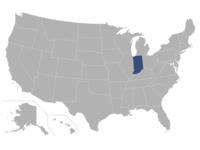
Indianapolis, IN