State urges households to apply for underused low-income energy assistance ahead of winter heating season
Oct 12, 2026 | 6:22 am ET
Description
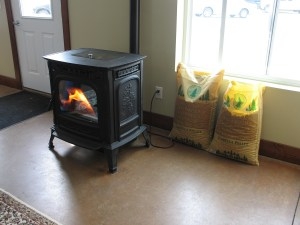
Photo courtesy of WyoFile
Too many qualifying Wyoming households go without federally funded dollars dedicated to help with winter heating bills, state officials say.
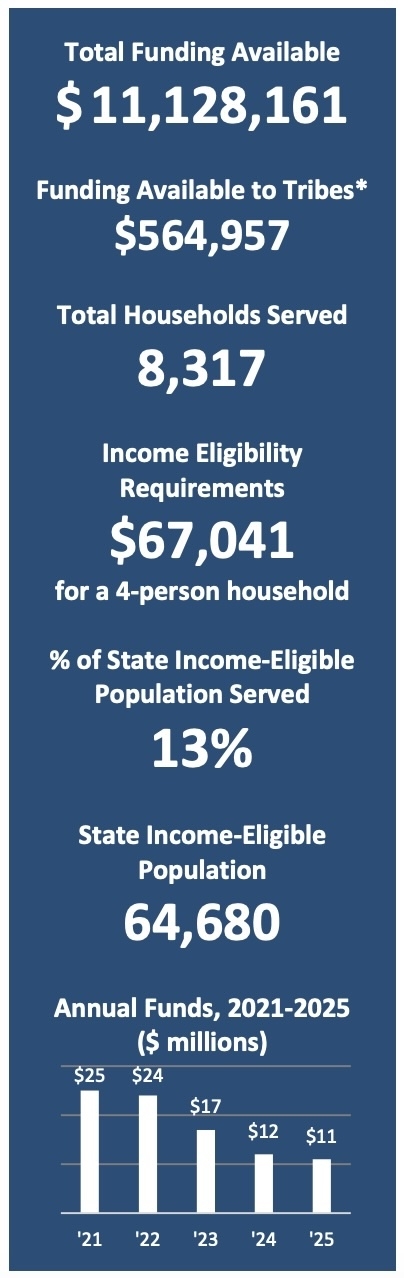
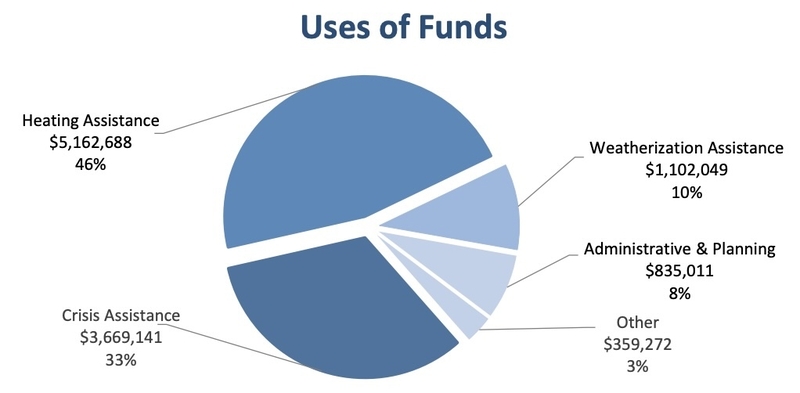
The Low Income Energy Assistance Program has about $11 million available for the upcoming winter heating season, which is comparable to past years and based on detailed data estimating the need in the state, LIEAP Program Manager Kristina Packard said. Yet, typically, only about 16% of eligible households actually apply for the help.
“I know there are families who are eligible for this that have not applied,” Packard told WyoFile. “It doesn’t hurt to apply. The assistance is there, and we just encourage everyone to complete the application.”
Even fewer than the annual average 16% of qualifying households applied to the program last winter, likely due to the fact that it was unusually mild, Packard said. Still, you never know what Wyoming might hold in store for any winter season. The LIEAP program is designed to help those households that pay a disproportionate amount of monthly income on essential services such as heat in the winter, she added.
The qualifying benchmark for Wyoming households — whether homeowners, renters or residents of permanently parked RVs and campers — is a gross annual income at or below 60% of the state’s median income. That translates to about $2,988 a month for an individual, $3,908 for a couple or $5,747 for a family of four.
How to apply
To find out if your household qualifies for winter heating assistance, apply online at mylieapwyo.org, or call (800) 246-4221, and the LIEAP team can help with your application over the phone.
You can also reach out to Energy Share of Wyoming, which also provides energy assistance for households with special circumstances.
The assistance is for heating-related bills for electricity, natural gas, propane, wood pellets and other sources. The program pays for a portion of heating bills, Packard said, not necessarily a household’s total bills for the season. For example, the maximum benefit for a household’s electric bill is about $1,280 for the winter season. The benefit is recalculated each year to account for rising rates, she added. This season, the maximum benefit for electric heating bills is about 4% more than last season.
Americans are projected to spend 8.7% more on home heating costs this winter compared to last season, primarily driven by higher electricity rates and heating oil costs, according to the National Energy Assistance Directors Association. “More than 275 electric and natural gas utilities have either increased rates, received approval for rate increases or proposed increases since 2025,” the group said in a September report. “These increases could raise electricity and natural gas customers’ bills by more than $101 billion through 2028.”
Whether this year’s 4% benefit increase in Wyoming keeps pace with the rising cost of utilities may depend on who is serving up the energy.
Wyoming’s largest electric utility Rocky Mountain Power is seeking a 8.8% electrical rate increase, while Black Hills Energy has whittled a rate increase request of about 32% to below 29%, limited to about 2,600 customers in the northeast corner of the state. Torrington and the surrounding area tied to the city’s utility could see an 18% increase for summer electricity rates and 22% increase for wintertime rates, due to a change in how the cost of electrical transmission is calculated, which would increase monthly bills by about $11.
Another good reason to apply for LIEAP assistance, Packard said, is that if a household qualifies, it speeds up an assessment to potentially qualify for a replacement heating system — another part of the program that is vastly under-utilized.
“Not enough people know about that,” Packard said. “A $10,000 furnace replacement — that would impact anyone.”
Though LIEAP applications were especially anemic during the past mild winter, program staff received a flood of inquiries this summer, Packard said, when air-conditioning units worked overtime and Wyoming residents scrambled to find swamp coolers to combat a historically blistering, prolonged heat wave.
Wyoming LIEAP couldn’t help, she said. The state’s annual application for the federal funds has exclusively been limited to winter heating because Wyoming is considered a “cold weather state” in terms of the federal program. There have been discussions about whether the state might one day apply to extend the federal assistance to summer cooling bills.
“It’s something that we are always looking at,” Packard said.
Last year, the Trump administration fired staff and threatened to defund the Low Income Home Energy Assistance Program, resulting in a 45-day delay before resuming disbursements to states in December.
Cheyenne, WY