Alabama’s political contests have lost a shared set of facts
Oct 12, 2026 | 5:59 am ET
Description
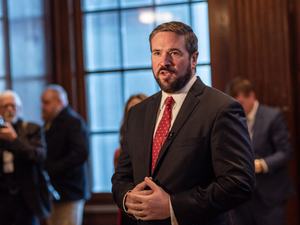
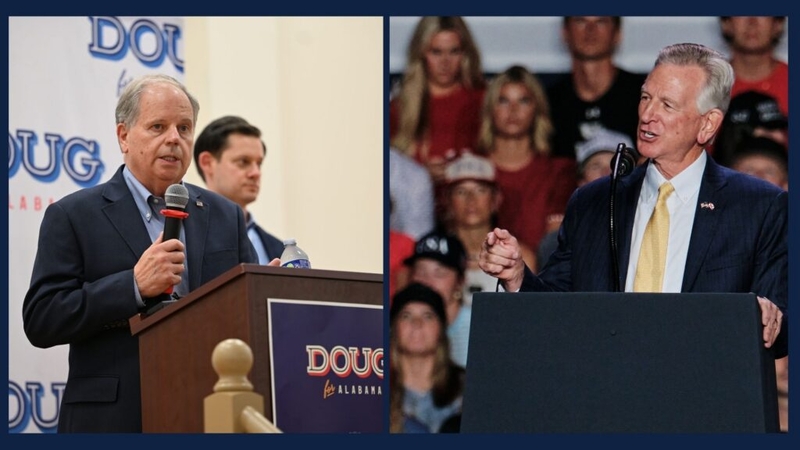
Alabama Democratic gubernatorial nominee Doug Jones (left) has been calling for a debate with Republican gubernatorial nominee Tommy Tuberville (right) for months. (Jones photo by Andrea Tinker /Alabama Reflector; Tuberville photo by Dan Anderson for Alabama Reflector; Graphic by Andrea Tinker Alabama Reflector)
I have mixed feelings about political debates. The idea of a free and frank exchange of ideas between two candidates in front of an open-minded public is appealing. The reality is often anything but.
Candidates stick to scripts to the point of awkwardness. Moderators jam so many topics in 90 minutes that thoughtful discussion is next to impossible (which encourages more canned lines). Television and social media gamify every debate, with audiences focused more on manner and delivery than the truth or value of what’s under discussion.
This is an inherent problem of the format. Read the Lincoln-Douglas debates, supposedly the height of political discourse in our nation, and you’ll have to wade through a ton of irrelevancies, conspiracy theories and a ton of racism from Stephen Douglas (and a few hundred pounds of it from Abraham Lincoln) to find a few nuggets of eloquence.
The real utility of a debate is getting candidates to answer the same questions about the issues and the election. Twenty years ago, that would hardly have been anything remarkable. But in today’s polarized climate, it’s rare.
Go to the campaigns of almost every Alabama candidate running for office — federal or state; attorney general or state representative — and you instantly see a pattern: Most candidates do not share the same facts. When we did our election guide earlier this month, I hoped we could lay candidates’ positions on issues side-by-side.
Outside the topline races, that’s impossible. It’s not that Democratic and Republican nominees have different answers. It’s that they’re asking different questions.
Take the attorney general’s race. Katherine Robertson, the Republican nominee, is all about state sovereignty, “religious liberty” and attacking transgender Alabamians, while “keeping Alabama free, strong and faithful.”
Democratic nominee Jeff McLaughlin would “protect families,” defend natural resources, and root out corruption.
These are two different conceptions of the office and its responsibilities. You can’t even say McLaughlin and Robertson disagree on the issues. The issues they consider important exist in separate universes.
That’s true of many other contests, up and down the ballot. One secretary of state candidate thinks preventing fraud (rare in most cases) is the important thing; the other sees expanding voting options as the priority.
You should not expect political campaigns to walk together. Nor should you expect candidates to exist in two different landscapes. Getting politicians in a place where they must address the same premises would be helpful for voters.
Democratic gubernatorial nominee Doug Jones has been peppering Republican gubernatorial nominee Tommy Tuberville with calls for a debate, most recently in a weekend exchange that also drew in U.S. Sen. Katie Britt.
It’s unlikely to happen. We’re within a month of the election, and a debate gives Tuberville nothing. What limited polling we’ve seen in Alabama shows the Republican with a clear lead over Jones. Jones has proven a tough out for the GOP, but Tuberville retains funding and organizational advantages.
If his lead is as large as we think, Tuberville would risk a lot going on stage with Jones. The senator is not good on his feet. His spontaneous remarks prompt reactions ranging from head-scratching to horror. Putting Tuberville between a former federal prosecutor and one or more journalists could be seen as political malfeasance.
Tuberville understands this. While he seems to be moving away from his successful hide-and-hope strategy during the 2020 U.S. Senate race against Jones, Tuberville is still mostly leaning on television advertising and conservative media to get his message out, limiting most appearances to business and professional groups and Republican spaces.
But this is why voters, if not Tuberville, would benefit from a debate. The Republican has been dragged, somewhat unwillingly, into making statements about issues like data center regulations (which he turned an abrupt 180 on last week) and the grocery tax. But his issues page is focused mainly on culture war issues and things the Alabama governor has zero power over, like gun access and international boundaries. One could ask him why he would emphasize those federal issues over state ones.
Jones, too, could be asked about how he would pursue Medicaid expansion in the face of a likely hostile Legislature. Or his proposals to allow referenda in Alabama, which seem even more unlikely.
But mainly, you could get the candidates answering the same set of questions. About the cost-of-living. And the quality of education. And the ongoing rural healthcare crisis. Instead of candidates looking in two different directions, you’d have them face a group of facts and offer their conclusions.
That may not produce agreement. But it would anchor the politics of Alabama, however briefly, in reality. Voters could see what candidates stand for, and the consequences of their choices, and get a sense of how two different candidates would lead.
Clarity in a political contest. There’s no debating the value of that.
Montgomery