Medicaid approves reentry care at Louisiana prisons, jails
Oct 12, 2026 | 6:00 am ET
Description
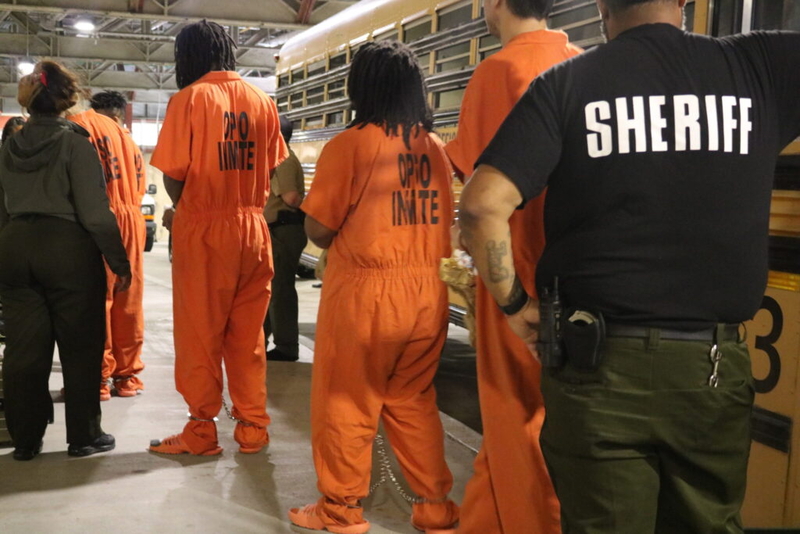
New Orleans jail inmates line up during a mock evacuation drill June 15, 2023. (Photo by Nigell Moses/Verite News)
Louisiana is joining 18 other states that provide federal government-supported healthcare access to incarcerated people near the end of their prison terms, with hopes it eases their reentry process.
The Louisiana Department of Health announced Friday that the Centers for Medicare and Medicaid Services had approved the state’s application for coverage that becomes available 60 days before a person is released. Medicaid coverage is otherwise not available to people while they are incarcerated, with state prisons and local jails responsible for the cost of their care.
The program is known as a demonstration in official terms, which allows the state to test new ways of delivering healthcare with Medicaid covering the cost. The goal is to provide a bridge between the care an incarcerated person receives in custody and what their needs will be after being released.
Louisiana will begin providing Medicaid-backed services at Elayn Hunt Correctional Center in St. Gabriel in early 2027, according to the state health department. The program will then be expanded to other state prisons and participating parish jails.
Gary Westcott, secretary of the Louisiana Department of Public Safety and Corrections, said in a statement that the Medicaid coverage includes mental healthcare and substance abuse disorder treatment.
“When these needs go untreated, they can contribute to continued involvement in the criminal justice system,” Westcott said. “Connecting individuals with care before they return to their communities gives them a better opportunity to succeed, reduce recidivism, and, ultimately, prevent future victimization.”
The services Medicaid will cover for exiting prisoners include a 30‑day supply of prescription medications upon release, behavioral health assessments, treatment, laboratory and diagnostic services, and durable medical equipment such as wheelchairs, blood glucose monitors and CPAP machines.
“By beginning care before release and connecting people with providers in their communities, we can improve health outcomes and build a more effective, sustainable system of care,” Louisiana Health Secretary Bruce Greenstein said.
In the health department’s statement, Kevin Cobb, executive director of the Louisiana Sheriffs’ Association, said its members are committed to the care of people in their custody as well as their successful transition upon release. He did not say how many sheriffs will eventually take part in the state’s Medicaid demonstration.
Louisiana’s demonstration will take place through September 2031, at which time the state can seek an extension to continue the program. For most demonstrations, Medicaid’s main requirements for states is that the program produce good outcomes and that the cost not exceed what Medicaid would have covered without the demonstration.
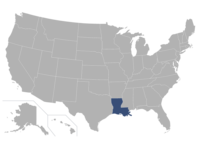
Baton Rouge, LA