Hoping compromise is thing of past, Wabanaki Alliance eyes path to full sovereignty
Oct 12, 2026 | 4:48 am ET
Description
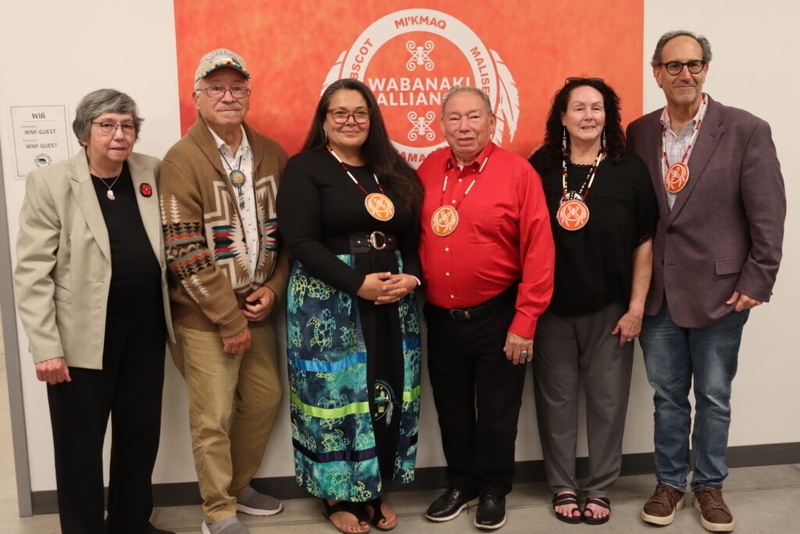
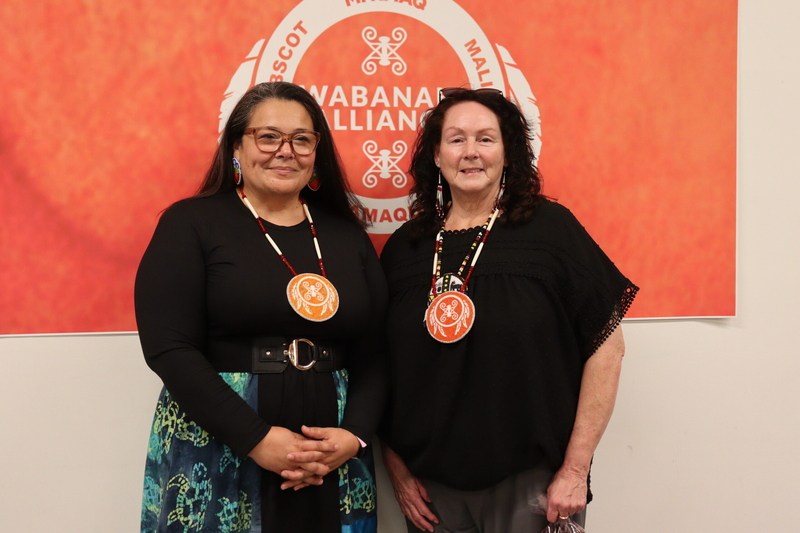
Honorees at the Wabanaki Alliance's annual celebration on Oct. 1, 2026, in Freeport, from left to right, Donna Loring, Donald Soctomah, Clarissa Sabattis, Richard Silliboy, Sheila McCormack and Darren Ranco. (Photo By Emma Davis/ Maine Morning Star)
On ancestral Wabanaki homelands now known as Freeport, Maulian Bryant, executive director of the Wabanaki Alliance, told a crowd of tribal citizens and supporters of tribal sovereignty that they are on the verge of a historic time.
“No more vetoes of large-scale legislation that restores our tribal rights,” Bryant said earlier this month during the alliance’s annual gathering known as Nihkaniyane, which means going forward together.
With a new governor on the horizon — particularly with Wabanaki Nations’-endorsed candidate Democrat Hannah Pingree, who supports restoring full sovereignty, leading in polls — Bryant and others are optimistic about the future of the Tribal-State relationship. Outgoing Gov. Janet Mills, also a Democrat, had opposed sweeping change, though during her two terms ushered through several piecemeal adjustments.
“No more compromises,” Bryant said. “We’re going for it.”
The Wabanaki Nations have less sovereignty than other federally recognized tribes because of a 1980 land settlement agreement subjecting them to state laws in a manner more akin to municipalities.
Formed in 2020, the Wabanaki Alliance brought together the Houlton Band of Maliseet Indians, Mi’kmaq Nation, Passamaquoddy Tribe, Penobscot Nation and allies to work toward educating the public on tribal communities and push for sovereignty.
Strides have been made since, including permitting the Tribes to handle and reap profits from sports betting, aligning the tax code with the rules that apply to other tribal nations throughout the country, and expanding Wabanaki authority over prosecuting crimes. There have also recently been several land returns, with more in the works.
Beyond structural change, Wabanaki leaders said public perception of the Tribes has transformed during their lifetimes.
“The support that we get today as Native Americans is above and beyond what I ever expected when I was young,” said Richard Silliboy, 79, former vice chief of the Mi’kmaq Nation.
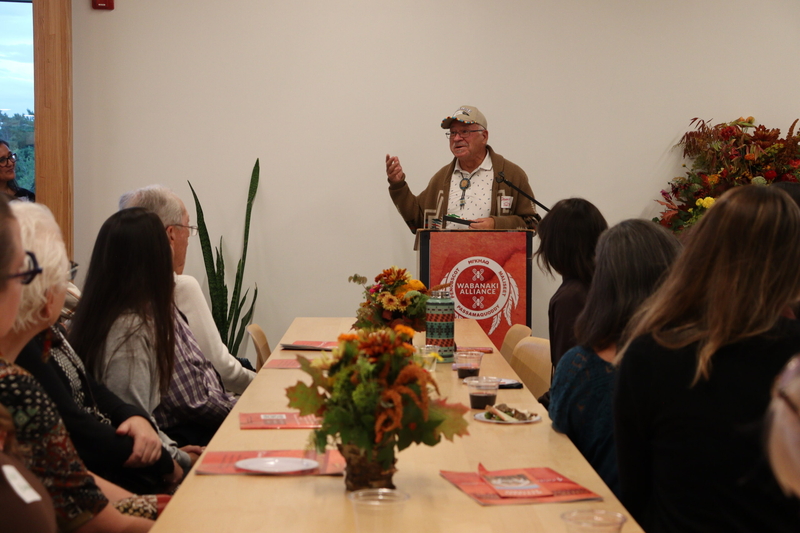
Reflecting on their time as tribal representatives in the state Legislature, Donald Soctomah said he and Donna Loring used to have to “bring up stuff to the Legislature we shouldn’t have had to bring up. It should have just been normal. It should have been person to person, human to human, about recognizing people’s history.”
Soctomah, a Wabanaki historian and author, got legislation passed to remove place names that included a slur for Native women, among other accomplishments.
Amid her myriad achievements, Loring, who also formerly served as senior advisor to Mills, got a law passed in 2001 requiring Wabanaki history be taught in Maine schools.
However, it was later discovered that many districts did not consistently do so. That led to the passage last year of another law to ensure the existing requirements are met.
“Our young people are not simply learning Wabanaki history,” Loring said of the newly formed tribal youth policy initiative, which supported passage of the updated law. “You are making Wabanaki history.”
When the latest effort to fully restore sovereignty to the Wabanaki Nations languished earlier this year, lawmakers opted to form a task force to assess tribal access to beneficial federal laws — a panel reminiscent of the one the Legislature convened years ago whose recommendations have led to some of the changes to Maine laws so far.
The new task force began meeting in September, during which preliminary discussion has explored ways to enact change on both the state and federal level to bring the Wabanaki Nations on par with other federally recognized tribes. On Tuesday, the group is holding a public hearing at the State House to accept public comment on how best to ensure beneficial federal laws apply to the Wabanaki Nations.
“We’re not asking for anything that’s special,” Maliseet Tribal Chief Clarissa Sabattis told Maine Morning Star. “It’s really something that’s been happening for decades in other states across the nation.”
Growing up, Sabattis would join her father, who had also served as chief, on trips to the reservations, Augusta and Washington, D.C. Now having led her Tribe for the past decade, she said she is even more grateful for those who came before her, having seen first-hand the dedication required to enact change.
“I’m hopeful that we’ll see this next eight years be a whole lot different than the last eight, even though we’ve made a lot of progress,” Sabattis said.
Augusta, ME