Book banning is a spooky practice
Oct 09, 2026 | 3:42 pm ET
Description
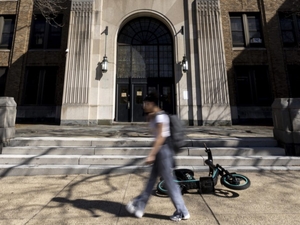
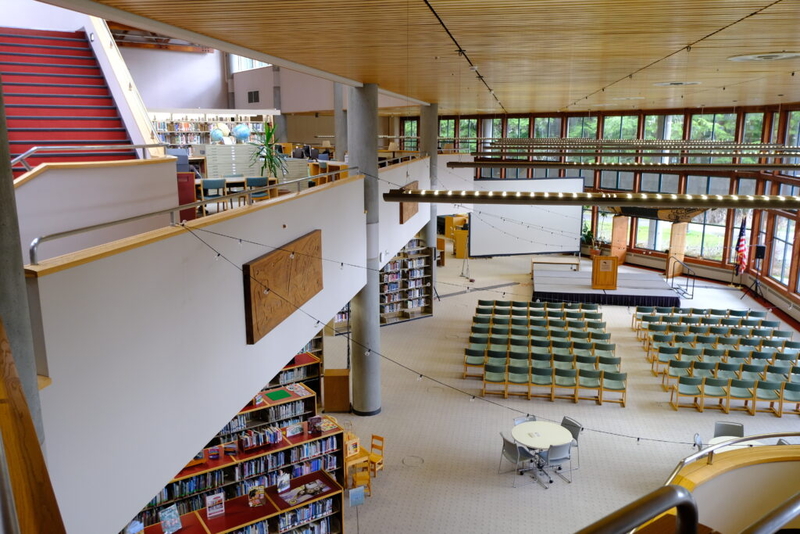
The Egan Library at the University of Southeast Alaska in Juneau is seen on May 7, 2026. (Photo by Corinne Smith/Alaska Beacon)
October is a time of witches, goblins, ghosts, and ghouls — and also a time for us to contemplate the ramifications of book banning as we recognize Banned Books Week this week.
Book banning — and burning — is nothing new to the human species. According to a historical timeline on thisbookisbanned.com, early historical actions include a Chinese emperor named Shih Huang Ti who executed hundreds of scholars and burned nearly all the books in his kingdom to control historical written records. Leap ahead to 1624 when Pope Urban VIII ordered a German translation of the Bible be burnt. Shakespeare’s King Lear was banned from stage performances for thirty-two years. In 1929, Jack London’s The Call of the Wild was banned in two European countries and a few years later was burned in Nazi Germany along with thousands of other books.
And so here we are in these modern times in the United States of America — where the First Amendment of the Constitution has been successfully argued before the Supreme Court in the 1982 case Board of Education v. Pico as protecting the right to read — and demands to remove books from public libraries have taken on new life. Certain people are seeking the removal of everything from Margaret Atwood’s The Handmaid’s Tale to JK Rowling’s Harry Potter series. There are places in Alaska where books are being taken off shelves without due process.
It must be noted that the right to read is not the only thing under threat. Librarians and Friends of the Library groups have been under threat as well.
Recently in the Mat-Su Borough, a librarian ultimately resigned her position after receiving threats to her life. In a public meeting of the Mat-Su Borough Assembly, where a specific threat to this librarian was discussed, a woman seeking to ban a book on the shelves of the Talkeetna Public Library defended that threat with scripture from the Bible. Let us remember that different versions of the Bible have been banned in other places in other times.
Freedom to read matters. To stand up for your rights, you can let your local school board or city assembly know that the freedom of speech is important to you — and that you support libraries and librarians. That is how we keep our freedom to read. Sites like Unite Against Book Bans at https://uniteagainstbookbans.org have further ideas on how to fight against book banning.
Banning books and threatening the safety of librarians should not be treated as anything like normal occurances. In this season of witches, goblins, ghosts, and ghouls, that’s what we should be afraid of.
Juneau