Invasive zebra mussels have made their way to the Utah portion of the Colorado River
Oct 08, 2026 | 3:40 pm ET
Description
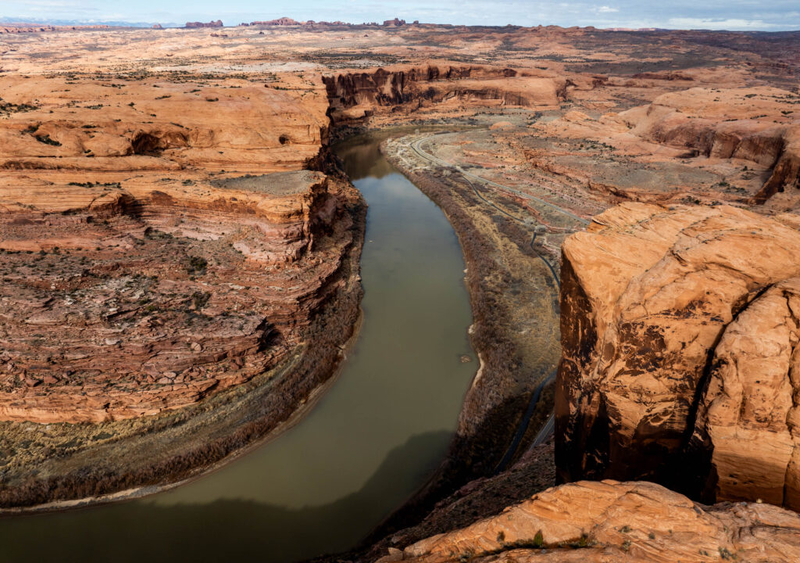
The Colorado River is pictured near Moab on Sunday, Feb. 18, 2024. (Photo by Spenser Heaps for Utah News Dispatch)
Biologists have discovered a live adult zebra mussel below the Westwater Recreation Area in the Utah side of the Colorado River, raising the risk of the invasive species spreading in the state.
The discovery was made Sept. 22, about a month after testing detected zebra mussel DNA in the water in Utah, according to a news release from the Utah Division of Wildlife Resources. The division received confirmation Wednesday that it had in fact found a live mussel downstream of the infestation near Loma, Colorado.
Utah’s Division of Wildlife Resources has ramped up testing for zebra mussels in the Colorado River between the state line and Moab after the Loma infestation was detected in 2025. Once an invasive species is detected, concerns of outbreak are elevated as the risk grows of people recreating in the river and then unknowingly transporting organisms to other waterbodies on their watercraft, the division warned.
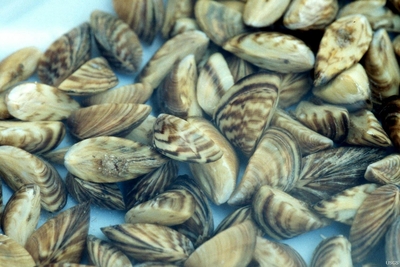
Utah law requires that all vessels going into the water in the state — from boats and jet skis to kayaks and paddleboards — must be cleaned, dried and drained when they leave. That includes water and mud on trailers transporting them, according to the news release.
Recreators must also complete a mandatory mussel-aware boater program course, pay the state’s aquatic invasive species fee and remove drain plugs while transporting their watercraft.
Inspection and decontamination sites to check for zebra mussels and other invasive species like quagga mussels and Eurasian watermilfoil are set up around the state. Over Labor Day weekend, state agencies inspected 9,418 watercraft.
Invasive mussels are a particular threat in irrigation-dependent Utah. They can spread to water lines, clogging pipes and costing millions of dollars to remove, and damage boat engines. They remove plankton from water, disrupting food supplies for fish.
Though small, zebra mussels are known for covering beaches with razor-sharp shells and damaging ecosystems. Meanwhile, quagga mussels have been found for a fourth year in Idaho’s Snake River, though in fewer numbers after years of aggressive treatment.
More information about invasive species can be found at Utah’s STD of the Sea website, which includes a list of decontamination stations around the state and requirements for watercraft.
Salt Lake City, UT