‘We are all America’: Wilmington volunteers host inaugural Hispanic cultural exposition
Oct 07, 2026 | 6:00 am ET
Description
Photo courtesy of Spotlight Delaware
Why should Delaware care?
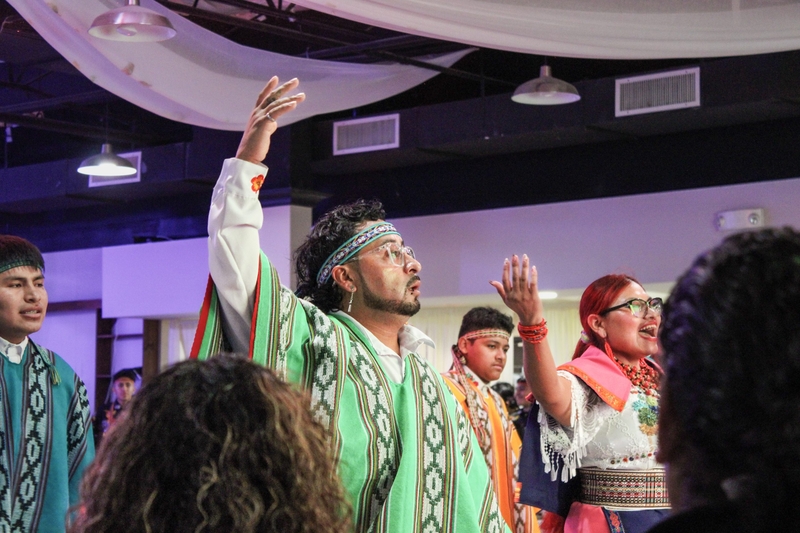
More than 121,000 Delawareans are immigrants — around 12% of Delaware’s population. Every immigrant communities bring in their own culture and traditions when coming to the First State, and some of those cultures were on display in Wilmington last weekend during the inaugural Ritmos del Quetzal festival.
As Yadira Badillo shuffled her feet to the beat of Colombia’s Caribbean-infused cumbia music, she remembered the “parrandas” or large familial parties where she often won a coin or two for being the cousin who danced the most at grandma’s house.
“It’s in my blood,” Badillo said.
Astrid Sanchez had similar memories conjured up while singing a blend of Venezuelan waltz and fiery pajarillo songs. She remembered the views of the Salto Angel waterfall she’d frequent with her family.
“It keeps my traditions alive, my roots, my essence because it’s what I have in my heart,” Sanchez said.
Despite being thousands of miles away from their native countries, both women found moments of connection to their homes through the arts at the inaugural Ritmos del Quetzal cultural event in Wilmington. The festival’s title, which translates to “Rhythms of Quetzal” is a reference to the ancient Mayan and Aztec divine bird of the same name.
The volunteer-led festival brought together dozens of educational performances from Mexico, Ecuador, El Salvador, Venezuela, Honduras, Puerto Rico, Guatemala, and more. Around 200 attendees filled the banquet hall.
The event’s message throughout that late afternoon was “we are all America,” referring to the fusion and intercultural blending of pre-Hispanic indigenous peoples, European colonizers and global migration throughout the Americas. The pre-Hispanic period refers to the time before Spanish conquistadores and English colonizers took rule over the Americas.
Andres Ramirez, the event’s lead volunteer, said the festival was inspired by a need to recognize what unites all human beings, despite cultural differences.
“Every one of us has their own light to shine, and there are not lights that are neither more important or less important,” Ramirez said.
The meaning behind the name Ritmos del Quetzal signifies the unifying musical sounds rooted across Central America and Mexico as symbolized through the whistling made by the tail-feathered bird, he added.
Filling a gap in Delaware
Ramirez has long had the idea of Ritmos Del Quetzal brewing in his mind.
He was inspired by the need to get to know his neighbors, saying it never sat right with him to be unaware of his neighbors beyond a casual greeting.
“There’s a lot of factors that are trying to separate the communities,” he said. “…I think that the arts, music, dance and even gastronomy preserve our human essence beyond any prejudices we may have.”
So for months, Ramirez singlehandedly sent invitations through word of mouth, searched for a banquet hall to lend their space, encouraged local Hispanic food vendors to showcase their foods, and reached out to traditional dance groups to create educational expositions.
Ramirez, along with five other recruited volunteers, then created Sonwayra Media, an organization to promote and host free cultural events outside major cities like Philadelphia and New York.
The name “Sonwayra” translates to “children of the wind” in the indigenous Quechuan language from the Andes regions, Ramirez said. The name is a nod to his message that people should have an innate curiosity about where their ancestors come from.
Claudia Tapia, one of the six festival volunteers, agreed with Ramirez about the need to preserve culture for the various immigrants in Delaware. Tapia said she feels this in her own family, where she urges her daughter to pass on the Spanish language to her children.
“Here you basically focus on working those seven days a week and you forget the culture, for me my Mexican culture,” Tapia said. “And these events are what remind the Hispanic community of our roots and make sure our traditions continue.”
Traditions beyond the mainstream
The traditional cultural performances Badillo and Sanchez displayed at the festival are not normally seen outside the respective tight-knit immigrant communities’ events, many attendees told Spotlight Delaware.
Ingrid Otero said the festival was an important way to display the “cultural reality” of all countries represented there.
For her, this reality means urging people to look beyond the mainstream representations of Puerto Rican culture, like Bad Bunny’s rise in popularity, and find more traditional depictions.
Otero said the newly formed Pleneros-DE-PR music group — which performs traditional “bomba y plena” music dating back to the 17th century that was created by enslaved Africans working on Puerto Rico’s sugar plantations — brings more of those traditional representations to light.
“I want to really be united in the community, not just be Puerto Rican,” Otero said. “I’m also Hispanic, I’m also Latin American, I’m from the Carribean, I’m many things.”
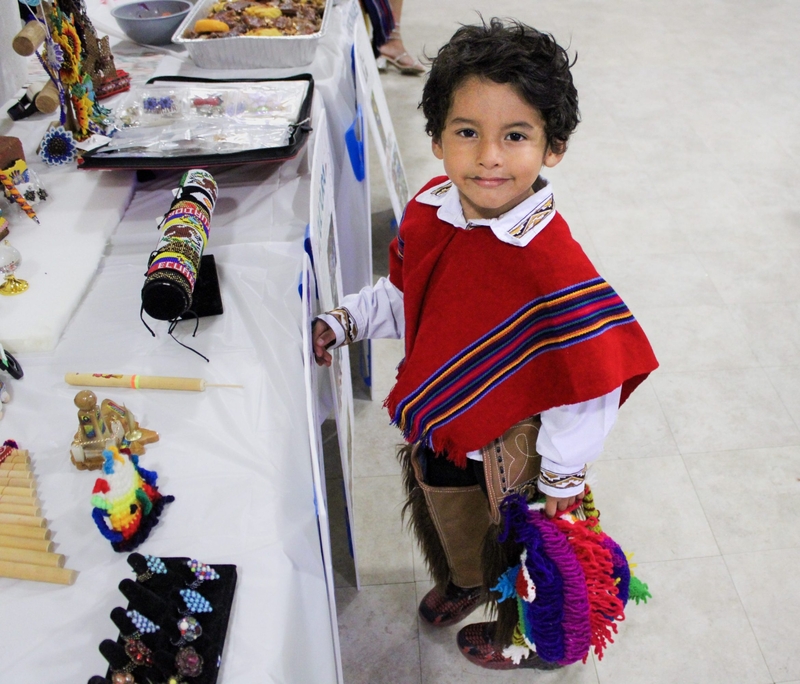
To showcase the many indigenous identities held within a single country, organizers set up various information tables surrounding the stage.
One table represented Ecuador and displayed a fermented drink called “chicha,” along with “ceviche,” a seafood dish. Informational posters at the table explained more about the dance performed by Expresion Andina, a traditional Ecuadorian dance group, which honored the ancestral indigenous celebration of the Sun god and harvest.
Another table presented Colombia Mi Corazon Es Tuyo, an organization created by Colombian women across Delaware, New Jersey, Pennsylvania and Maryland who miss their home country and wish to spread its culture.
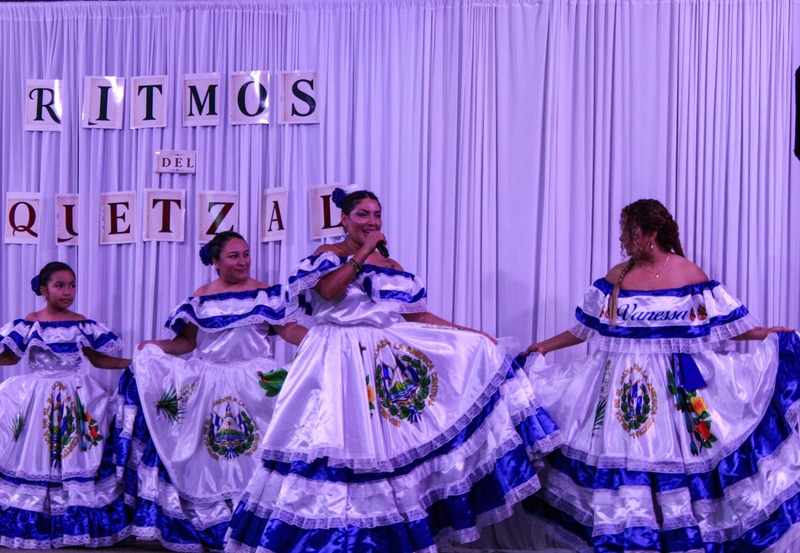
In addition to the tables, the day consisted of multiple back-to-back dance performances.
Alma Guanaca, for example, an organization representing El Salvador, filled the dance floor with blue and white gowns to represent the sky and world peace, respectively.
Dancers from La Comparsa Mini Chinelos de Mexico wore masks and dresswear, an homage to a century-old tradition mocking European colonists.
While watching the dance group with his toddler and wife, Gerardo Placencia said there is more that unifies the different cultures than separates them.
“If we all pay more attention to all the culture, they go toward the same thing: reverence to mother earth, the elements,” Placencia said.
Ramirez said this will not be the last cultural event Sonwayra plans. He sees a future where Delaware’s Asian, Middle Eastern and Caribbean community is included as well.
“It doesn’t matter if you are Black, white, blue, yellow, green, red, or an extraterrestrial,” Ramirez said “I believe we all enjoy a beautiful sunset and a lovely sunrise, the singing of birds, and the sound of the wind.”
Dover