NV’s cheap and easy foster care fix paves way to trafficking, life of crime, says former lawmaker
Oct 01, 2026 | 12:06 pm ET
Description
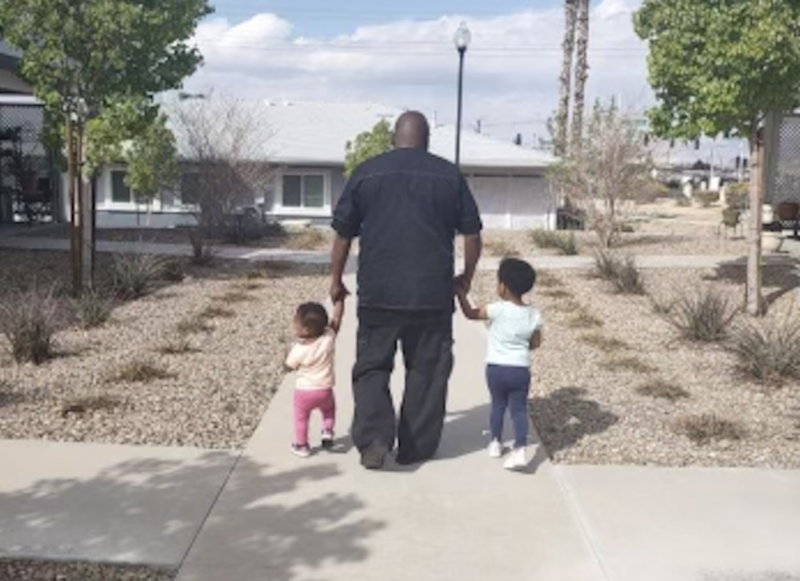
Millions of grandparents like George Allen are taking in a generation of children who have lost the care of a parent. (Photo courtesy George Allen)
Nevada’s failure to keep track of children placed into informal foster living arrangements with relatives or family friends is contributing to the exploitation and trafficking of youth, says former state senator, Patricia Farley-Moore, who is asking the Nevada Legislature to pass legislation that would require the state to count every child it separates from parents.
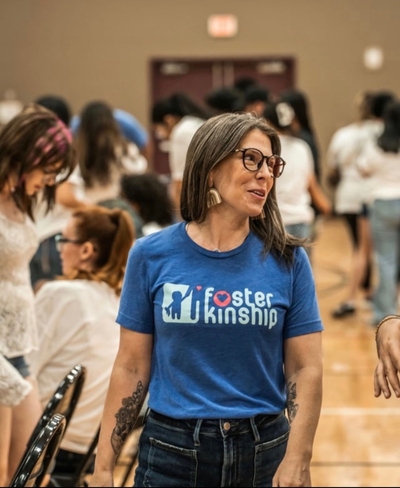
“We have become numb to crimes against children,” says a news release from the Nevada Children’s Lobby, an organization launched Thursday by Farley-Moore and Dr. Ali Caliendo, the founder of Foster Kinship. That organization refers Nevadans to resources available to informal, or hidden, foster families, which are formed when child welfare agencies place children with relatives without taking legal custody.
“Child Protective Services will tell a relative ‘if you step in and take this child, then we don’t have to remove them and place them in foster care,’” says Caliendo, who adds there is sometimes a hint of coercion in the request.
The child welfare system, she notes, has involvement with the child. “They have been part of what we call a separation, and they’ve created this kinship arrangement. But they do not document those families.”
Hidden foster care is a relatively easy and inexpensive means of placing children – relieving the state of the burden of finding a licensed foster home or paying to support the child.
It also leaves parents “without a clear legal plan to get their children back,” says the Annie B. Casey Foundation, a national organization dedicated to protecting children. It estimates Nevada has 19,000 children living in informal foster care.
The Nevada Children’s Lobby estimate is larger, with 20,800 in Clark County alone living in informal kinship care.
The Nevada Department of Child and Family Services (DCFS) was unable to confirm either estimate, as the state “does not maintain data on all Nevada children living with relatives or fictive kin outside the child welfare system,” according to a statement from DCFS.
Some 4,400 children in Nevada are in traditional foster care, according to DCFS.
The Children’s Lobby estimates that 41–46% of Nevada children who could enter traditional foster care are instead diverted to hidden care. That share is higher in rural areas, where 57 – 64% of children are placed in informal arrangements, according to the organization. “Predators operate in small towns, but sell children in major markets.”
Pipeline to pimps or prison
Informal foster arrangements can help keep children out of an already strained system in which they can be separated from siblings or endure multiple placements. But it also gives rise to another set of challenges brought on by financial instability, a lack of services, and spotty supervision.
“A child the system refuses to count is a child a trafficker can find,” say Farley-Moore and Caliendo, who add that an uncounted child can’t even be reported missing. “Counting Nevada’s hidden children, and connecting them to support, is trafficking prevention and justice-system prevention.”
The pathway to trafficking is traceable, says the Children’s Lobby.
A child is separated from a parent without a case plan or state support. Family dynamics change and the informal placement devolves. The child, left with no resources, is easily lured by food, affection, and a place to stay. Exploitation and arrest likely follow.
Traffickers generate $27,252 profit per year from each victim, rendering sexual exploitation the most profitable per capita sector of human trafficking, according to the International Labour Organization.
Current efforts to protect foster children from exploitation are lacking, says the Children’s Lobby, which is hoping to raise $100,000 in the next year from private donors. None of the principals in the non-profit will receive compensation. The funds, they say, will be used to help fund specialized operations to rescue trafficked victims and facilitate prosecution of their alleged perpetrators.
“The Legislature doesn’t fund it,” says the Children’s Lobby, noting that child welfare block grants have been capped since 2012. “Police aren’t trained or staffed to find exploited children – least of all in small towns.The public assumes it’s someone else’s responsibility. When everyone assumes someone else is watching, no one is.”
The cost of counting a child and connecting them to services is $3,900, according to Farley-Moore and Caliendo. The cost of detaining a child for a year is $125,000.
The intent of the effort, say Farley-Moore and Caliendo, is to “break the business model at both ends” by cutting the supply of vulnerable children by connecting separated children and their families to support services “so fewer kids run and fewer are recruitable.”
The organization also intends to disrupt the trafficking distribution process via “specialized surveillance and intelligence” and increase the legal consequences of trafficking via a partnership of local police and special operations veterans known as Operation Guardian, a nonprofit that “helps police stop predators in real time,” operating as a “force multiplier.”
The Children’s Lobby, working with the Children’s Advocacy Alliance and Foster Kinship, is proposing legislation that would require the state to document every child placed by CPS into care, including informal arrangements; know where they are, who is caring for them, and what, if any, services and benefits they are receiving from the state.
The bill would also require CPS to notify informal foster families of advocacy organizations such as Foster Kinship, and the Department of Child and Family Services would be required to publish an annual accounting of how many children are in informal arrangements, and report on how they are faring.
Caliendo says the organization “would like it documented because those families need and deserve the same help that our other foster families get.”
Las Vegas, NV