NC traffic safety experts call for tougher laws on speeding, impaired or distracted driving
Sep 30, 2026 | 2:02 pm ET
Description
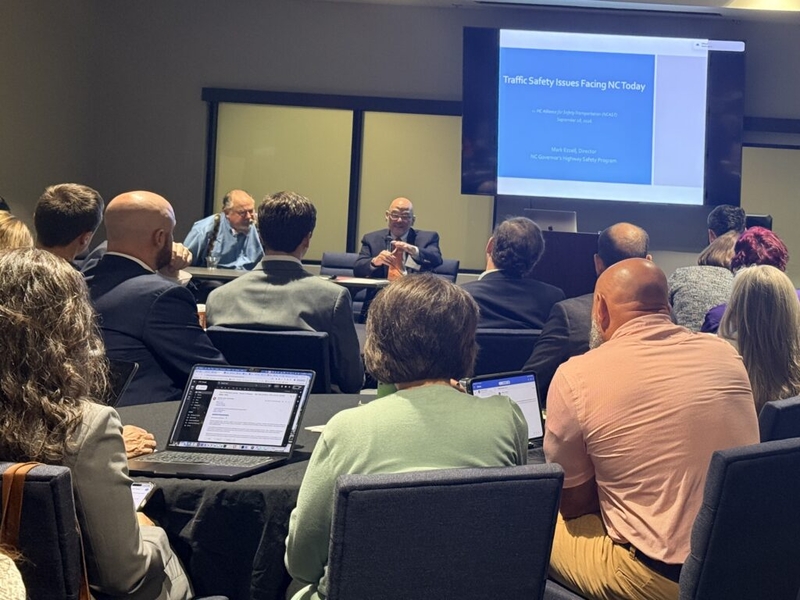
Mark Ezzell, director of the governor’s Highway Safety Program, gives a presentation on North Carolina's road safety issues in Raleigh on Sept. 29, 2026. (Photo: Tre Spencer/NC Newsline)
In a crowded hotel conference room in Raleigh Tuesday, traffic safety researchers, industry experts and state government officials attended the final summit hosted by the North Carolina Alliance for Safe Transportation.
On the agenda: how to improve North Carolina’s distracted driving, speeding and impaired driving laws to reduce traffic fatalities.
“I read every day about the number of crashes we have in North Carolina, because there’s a story behind each of those stats,” said Mark Ezzell, director of the governor’s Highway Safety Program.
Ezzell says state lawmakers should keep trying to strengthen laws for impaired driving, including passing a law requiring ignition interlocks for first-time offenders.
These breathalyzer devices are installed on a car’s computer system. Drivers must breathe into them before starting the engine. If the device detects alcohol, then the car won’t start.
Currently, North Carolina does not require ignition interlocks for first-time DWI offenders. Earlier this year, a bill known as the SEATBELT Act would have required ignition locks for all drivers convicted of driving while impaired regardless of prior offenses, but it died in committee.
NC House lawmakers seek breathalyzer ignition locks for all DWI offenders
Ezzell also said lawmakers should strengthen North Carolina’s distracted driving laws, including adopting a hands-free requirement for drivers. He said his organization has pushed for years for a hands-free law like those in neighboring states.
North Carolina currently prohibits drivers from reading or texting while driving, but doesn’t have a broader law that prevents drivers from holding or using any device behind the wheel.
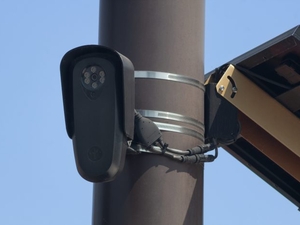
Another recommendation was to expand the use of cameras in school speed zones. North Carolina is currently experimenting with speed cameras in pilot school zones, following legislation passed in 2025. Ezzell said lawmakers should implement it across the state.
The organization has hosted three other summits in the state in Wilmington, Statesville and Asheville, where officials heard directly from attendees about what changes they wanted to see to North Carolina’s traffic safety laws.
The meetings were intended to help identify priorities lawmakers could take up next year during the legislative session, according to the organization’s agenda.
NCAST Executive Director Joe Stewart said speeding was a recurring concern among participants at each summit.
“Speeding is a menace,” he said. “Traffic cameras can make a big difference in enforcement and free up officers for other duties.”
E-bike concerns emerge
Sen. Vickie Sawyer, R-Iredell, co-hosted the events. She chairs the Senate Transportation Committee.
She said common themes she’s heard from audiences across the state have been concerns about electric bikes, distracted driving and road rage.
The General Assembly has already taken steps this year to give local governments more authority over e-bike use. The new law redefines e-bikes and allows them to be used on roads and bike lanes, while giving power to municipalities to set limits on where the bikes can be used.
But Sawyer said she sees a need for clear e-bike rules while avoiding unnecessary regulations. She said clearer distinctions based on factors such as an e-bike’s top speed or weight could further help communities determine how the bikes should be regulated.
“I love any technology, especially around mobility,” she said. “But you have to get in the space between regulation and stifling innovation, and how do you balance that?
Raleigh, NC