Utah 1st Congressional District debate found middle ground among two moderates
Sep 30, 2026 | 7:03 am ET
Description
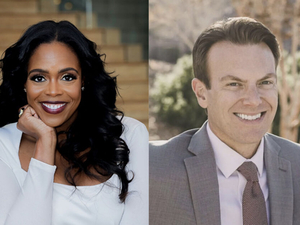
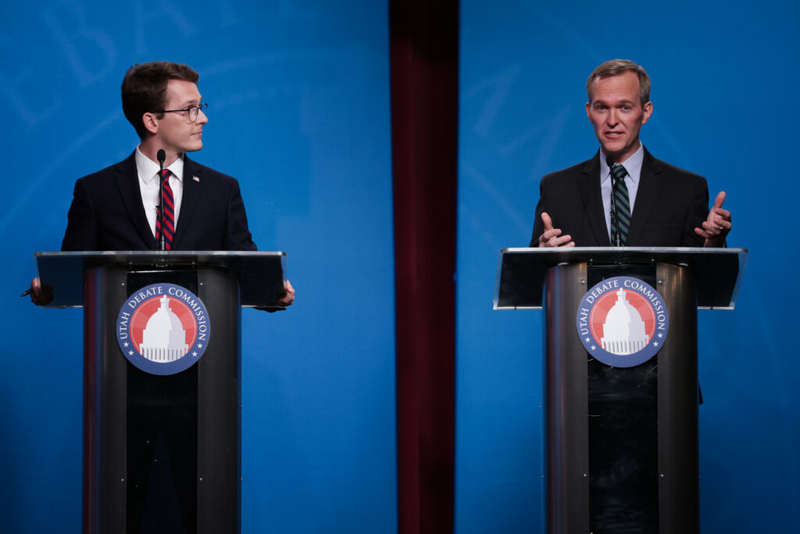
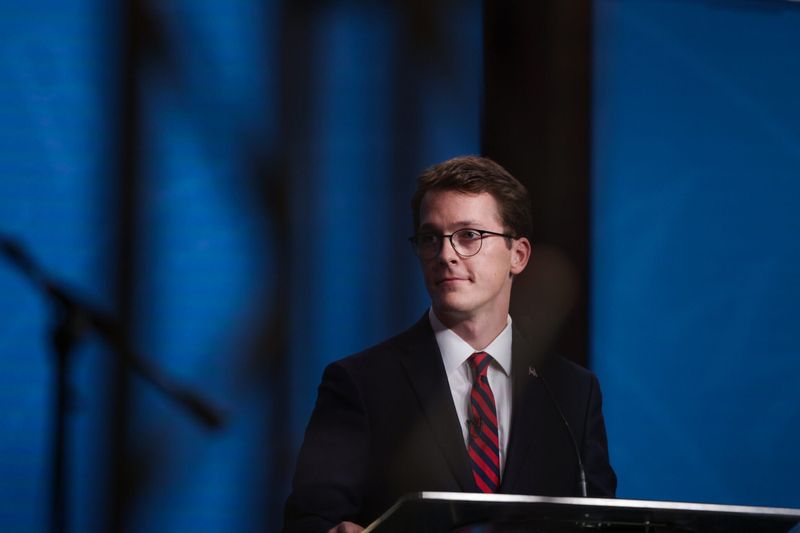
Candidates for Utah’s 1st Congressional District Republican Riley Owen, left, and Democrat Ben McAdams participate in a debate at Salt Lake Community College, Tuesday, Sept. 29, 2026, in Salt Lake City. (Pool photo by Erin Hooley/Deseret News)
In the race for Utah’s 1st Congressional District, two candidates from opposing political parties found themselves meeting in the middle, a shift from the scenes playing out in campaigns across the country seeking a spot in a profoundly divided U.S. Congress.
Ben McAdams, who won a crowded primary for the Democratic nomination by far, is facing Riley Owen, a Republican, naval officer and former White House staffer, to represent a new blue-leaning district in Utah. The two met onstage Tuesday for a debate put on by the Utah Debate Commission.
Jesse West, a Libertarian, and Elias Montgomery, an unaffiliated candidate, are also running for the seat. They, however, didn’t meet the commission’s minimum 10% support threshold to participate in the debate.
The race’s major contenders may be perceived as moderates by members of their own party, even partially agreeing on some issues, like the gerrymandering lawsuit that created the district they are competing for.
“I think there are numerous things that are the root of the corruption of Congress and the frustration with its inability to actually rise to the challenges and to solve problems, and we have incredible challenges today that we need them to rise to,” McAdams said. “At the crux of it, I would put gerrymandering, where politicians win or lose their election by catering to extremes, and we now live in a climate that, if you work across the aisle, it is to your own peril.”
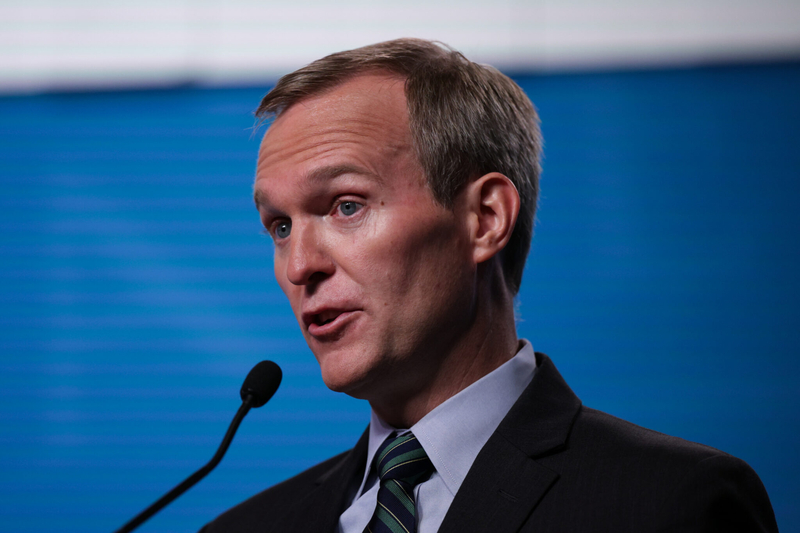
Owen views the issue differently. Unlike McAdams, he did not thank Better Boundaries, the group that filed the anti-gerrymandering lawsuit from where the state’s new congressional maps were born. He said he was frustrated by the new maps. But, he still reached a similar conclusion to McAdams’.
“It doesn’t frustrate me that, statistically speaking, this is a blue-leaning district right now. What frustrates me is that the maps that we landed with created three of the most red districts in America and one of the most blue, ostensibly, districts in America,” Owen said. “That creates a breeding ground for extremism, and I don’t think any Utahn, whether you’re a Republican or Democrat, wants that on either side.”
During the debate broadcast by PBS Utah and moderated by Natalie Gochnour, director of the Kem C. Gardner Policy Institute at Salt Lake Community College, the two candidates debated some of the hottest policy issues of the year with Owen often splitting from the Trump administration’s agenda.
McAdams, the last Utah Democrat to serve in Congress, has also split from his caucus in the past. However, he has little faith in a Republican candidate doing the same.
“I was so happy to hear a lot of what we agreed on. I’ve been around long enough to know. Last time I served in Congress, I remember the entire Utah delegation talking about support for the Dream Act, and then remember that I was the only one who voted for it,” McAdams told reporters after the debate.
Owen, however, emphasized what he believed to be the biggest distinction between him and his opponent, arguing that McAdams wants a “bigger government,” while he wants more market-based incentives, he told reporters.
About his stance on President Donald Trump’s agenda, Owen said, “There are some things he gets right. There are some things that he gets wrong, and that’s the case with every president and both parties.”
McAdams and Owen agreed on many issues, including the need for federal regulations around artificial intelligence, as well as higher standards to conserve the ailing Great Salt Lake, especially with the surge of data centers.
But, the issue that separated the candidates the most on Tuesday night was new work requirements for recipients of Medicaid and the Supplemental Nutrition Assistance Program, which prompted an unmoderated back and forth.
“What we’ve done with Medicaid is we’ve created a maze, and then we play ‘gotcha’ for people who get lost in the maze through complicated paperwork,” McAdams said. “This administration has cut Utah’s targeted adult Medicaid program that has been a lifeline for so many people to get stabilized and to get back into society.”
But Owen argued the policy didn’t differ much from what Democrats did in the past.
“Ben, can I just ask what happened to the party of Bill Clinton? Work requirements were a hallmark of the welfare programs there, and Democrats lined up to support that. I don’t think it’s unreasonable,” Owen said.
Salt Lake City, UT