Judge rejects Anchorage state House candidate’s challenge to August state primary result
Sep 29, 2026 | 2:00 pm ET

Description
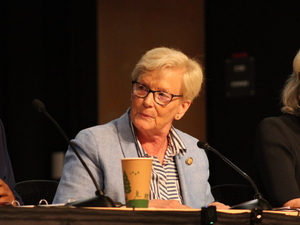
Sarah Short, Republican candidate for House District 13, is seen in a photo from 2025. (Sarah Short photo)
Anchorage Superior Court Judge David Nesbett has rejected speedy consideration of a lawsuit seeking to put a disqualified Anchorage state House candidate on November’s election ballot.
That means Republican Sarah Short will not be a listed candidate for House District 13 and Democratic candidate Lisa Keller will run unopposed.
Short’s case remains open but is largely moot. Nesbett’s decision, issued Sept. 18, was followed a week later by rejections of various temporary restraining orders and emergency hearings requested by Short.
The first absentee ballots were sent to voters on Sept. 18, and Short had requested actions that could have disrupted mailings.
“I should’ve been given a chance for arbitration or something like that,” she said.
The Division rejected Short after she failed to submit a Public Official Financial Disclosure form ahead of the June 1 candidate filing deadline.
That form, required by state law, is supposed to list all of a candidate’s income and financial links in the previous year. The disclosure is intended to prevent corruption.
Short said she completed the form but technical problems prevented her from submitting the signature page.
“Yes, I did file late, but that’s because I waited on the stupid Republican Party,” she said. “I won’t do that again.”
The Division of Elections does not immediately disqualify candidates who file blank or incomplete forms, but it does disqualify those who file no form at all.
Short has said that she attempted to file the form on time but was stymied by technical errors.
The Alaska Public Offices Commission, which collects the forms, informed Short on June 2 that it had not received her form.
She said she submitted the relevant documents on June 3 but was still rejected. State law allows 30 days for revisions, and Short said she should have been covered under that law.
Short didn’t file a legal challenge until September, and Nesbett concluded that her delay in filing was an important factor in determining whether or not to take up her legal challenge before the first general election ballots were sent to voters.
“Plaintiff’s asserted urgency … stems from her own delay, not from any new circumstance that would justify shortening the court’s normal briefing schedule,” he wrote.
Short had previously said that she would register as a write-in candidate if her lawsuit failed; as of Monday, the Division of Elections did not list her as a write-in option.
In Alaska, only registered write-ins are allowed to participate in general elections.
By phone, Short said she has the paperwork but has not yet turned it in.
“I don’t believe I’m going to win, but I believe the problems that I’m having with APOC and the political parties, that’s the story,” she said. “We’re worried about ‘get out the vote,’ but I can’t even get on the ballot.”
Juneau