Idaho lawmakers hope to ensure timely doctor payments, treatment approvals in Medicaid transition
Sep 25, 2026 | 6:10 am ET

Description
State officials are in the process of creating draft contracts for three managed care organizations, called MCOs. (Photo by Getty Images)
As the state works to reshape how it provides Medicaid services, Idaho state lawmakers are hoping to prioritize timely healthcare provider payments and prior authorizations, and recipients are hoping to improve coordination among services.

Legislators on the Medicaid Review Panel heard updates Thursday on the process of moving the state’s Medicaid program to what’s called comprehensive managed care — in which all of the program’s benefits will be administered by private companies. The move was required by House Bill 345, which the Legislature passed in 2025.
State officials are in the process of creating draft contracts for three managed care organizations, called MCOs, Idaho Medicaid Director Sasha O’Connell said Thursday. Legislators on the panel and Medicaid recipients have been providing input on how to create the contracts to protect doctors who provide Medicaid services and patients receiving the care.
Medicaid recipients say care coordination is their biggest challenge
“The biggest issue that we heard from members was around care coordination,” O’Connell said.
Medicaid recipients who need physical health, disability-related and behavioral health services have to navigate three completely different systems of care coordination through different entities, she said. Care coordination can include a case manager helping organize a patient’s care across multiple types of healthcare providers.
“One opportunity as we transition to comprehensive managed care is to streamline that a bit and have one entity that’s over all of the services and a care coordinator that knows each of those needs of the member,” O’Connell said.
State officials are looking into potential requirements for caseloads and contact frequency to ensure people are getting individualized help, she said.
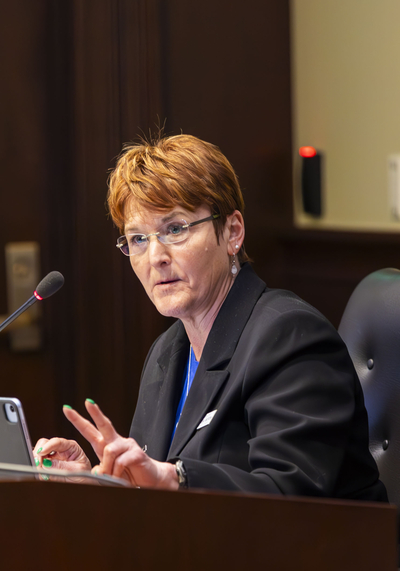
Senate Minority Leader Melissa Wintrow, D-Boise, said she receives a large number of complaints about care coordination.
“I would ask any MCO to front-load the service to ensure that when people are struggling, they are Johnny-on-the-spot investigating it, and making sure the members aren’t suffering,” Wintrow said. “Because I think that is a key concern for many constituencies.”
Idaho to pursue interest and penalties for late payments to Medicaid providers
Sen. Kevin Cook, R-Idaho Falls, repeatedly asked about safeguards for doctors who may face slow reimbursement after providing services for Medicaid patients.
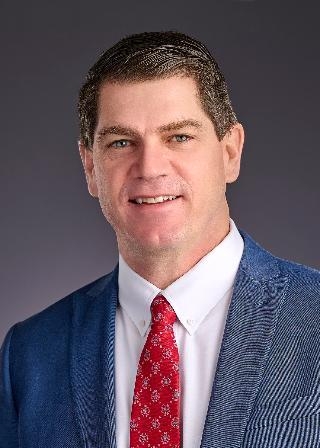
“When an MCO delays payment, the money remains in the MCO’s account while the provider struggles with cash flow and, in some cases, making payroll,” Cook wrote to the panel’s consultant, according to the presentation slides from Thursday’s meeting.
The private consultant, former Utah State Medicaid Director Jennifer Strohecker, said the state has decided to pursue penalties if deadlines for claim payments aren’t met. Those fees would be paid to the healthcare provider seeking payment from a claim.
The state would also pursue additional financial penalties for systemic failures to make payments on time.
Prior authorization denials are an increasing concern for doctors
Health insurance, including in Medicaid, often requires prior authorization, a process in which certain treatments and medications need approval from the insurance carrier before they will cover it.
“We also have heard a lot from providers about concerns around prior authorizations,” O’Connell said.
Wintrow said she recently met with an insurance plan that had a denial rate over 50%
“There’s something wrong there,” Wintrow wrote in comments to the consultant, according to the presentation. She asked that there are methods to ensure the health agency can intervene when denials are unusually high.
Health officials plan to publicly post data about prior authorization approval and denial rates and reasons, as well as timely payment metrics.
A federal Office of Inspector General report from 2023 found that, nationwide, Medicaid managed care organizations denied one out of every eight requests for prior authorization of services in 2019.
In 2025, an American Medical Association Survey found that 92% of physicians reported negative patient impacts caused by prior authorization processes.
Idaho’s move to private managed care may be delayed, again
The Idaho Department of Health and Welfare is aiming for a Dec. 1 “blackout,” in which state health and administrative officials participating in the contract process sign non-disclosure agreements to not discuss the contract in order to not give any one bidder an advantage over the other, O’Connell said.
Idaho’s rural hospitals grapple with insurance denials, employee housing shortages, Medicaid changes
A full transfer of Medicaid programs to the MCOs is expected by 2030, after it was delayed a year because of a lawsuit over a contract for the technology systems that process claims, the Idaho Capital Sun previously reported.
That lawsuit may cause another delay, O’Connell said Thursday.
Results of the ongoing litigation will determine the timeline for the creation of a new system for processing claims, which is a major function of Medicaid. O’Connell said it’s expected to take two years for installation, development, configuration and testing of a new system once the lawsuit is resolved.
It will likely take an additional six months for federal regulators with the Centers for Medicare and Medicaid to approve the new system, she said.
The panel is expected to meet again in November to make a decision regarding the timeline, Chairwoman Sen. Julie VanOrden, R-Pingree, said.
Boise, ID