SC inmate guilty in stabbing death of 3 during prison riot, jury decides
Sep 24, 2026 | 5:57 pm ET
Description
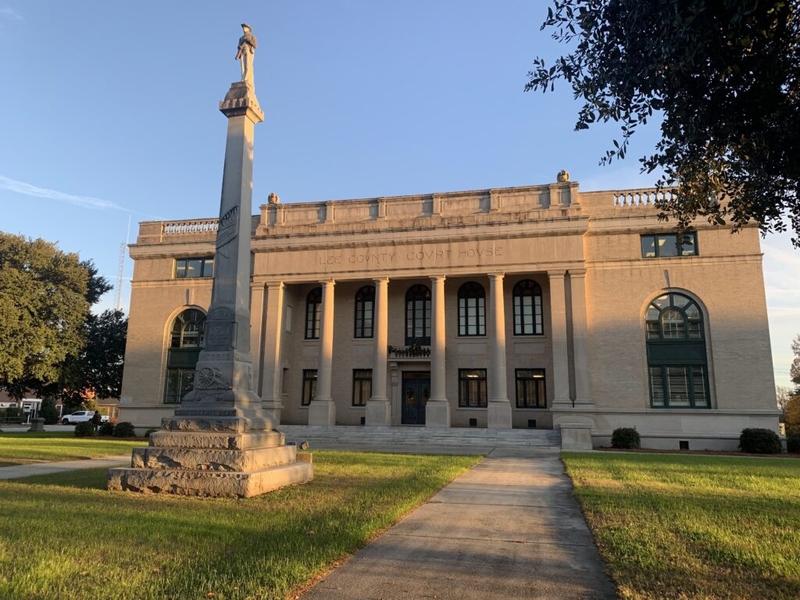
Inmate Larry White was found guilty at the Lee County Courthouse in Bishopville, S.C., pictured on Dec. 5, 2023. (Photo by Skylar Laird/SC Daily Gazette)
A Lee County jury found an inmate guilty Thursday of participating in a mob that killed three people during the nation’s bloodiest prison riot in a quarter-century.
Larry White, now 30, was found guilty of criminal conspiracy and three counts of assault and battery in the first degree. White was one of 47 inmates indicted in connection with the 2018 riot that killed seven and injured 20.
White was the third inmate to go to trial and the third to be found guilty on all counts. Two dozen of those charged have pleaded guilty, and two have died in prison while awaiting trial, according to the Department of Corrections.
The jury handed down its verdict after about two hours of deliberations, ending a four-day trial.
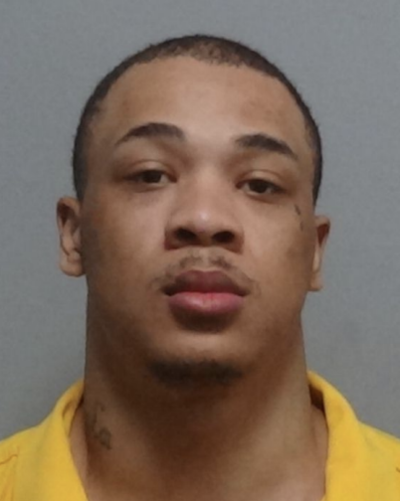
White will serve three life sentences, one for each of the assault and battery charges he faced, decided Judge Ferrell Cothran.
When the riot began, White was serving 15 years for attempted murder and burglary, with a projected release date in 2031. His lengthy disciplinary record dates to 2017, soon after his sentence began, according to the state prison system.
Just before Cothran handed down his sentence, White gave a statement in the form of a rap. Calling the prison system “crooked and manipulative,” White said he gets to talk to his 13-year-old daughter just once a week and called himself “a decent person.”
“Justice is never served because our stories are never heard,” White said.
Prosecutors argued White was part of a group that killed three men: 28-year-old Raymond “Twin” Scott, 38-year-old Corey Scott and 33-year-old Joshua Jenkins. Video showed White repeatedly stabbing one of the men, whose identity was unclear, as he laid on the ground outside the fence.
“Every time someone dies, the world is less,” prosecutor Barney Giese said during his closing statement. “That includes people in the Department of Corrections who have a right to live and go home.”
White and his attorney contended the violence arose as part of a fight among gang members, not as part of a premeditated plan.
Violence broke out at the maximum security Lee County prison around 7 p.m. on April 15, 2018, after a group of inmates attacked Michael Milledge, a well-liked fellow prisoner, in his cell. A rival gang retaliated, killing the inmate who stabbed Milledge to death.
Word of the attack spread using contraband cellphones, and rival gangs went head to head across the prison’s seven units.
White, a member of the Crips gang, lived in the only unit where other gang members outnumbered the Bloods. After 9 p.m., as tensions rose, White joined gathering gang members, security video played during the trial showed.
The Crips and Gangster Disciples, who wore jackets and other clothing made out of plastic from mattresses meant to protect them from blades, met outside the dorm’s showers. There, they hatched a plan to kill the dorm’s Bloods, prosecutors said.
But White testified Wednesday he only knew the Bloods had to leave.
A group of Crips and Gangster Disciples chased the dorm’s Bloods outside, into the rain. They cornered the rival gang members against a 12-foot razor-wire fence with a locked gate. Some of the men climbed over the fence to escape, many injuring themselves on the razor wire or in jumping to the other side, prosecutors said.
The attacking inmates repeatedly stabbed the four inmates who didn’t make it over, killing three and severely injuring another, prosecutors said.
White joined the attackers for four minutes before returning to his dorm room, where he retrieved a second shank before running back to join his fellow gang members, White said when prosecutors questioned him. He admitted to standing over and stabbing at least one of the men left behind, though he said he didn’t remember who.
The three men killed had a combined 163 stab wounds, prosecutors said. Investigators said White inflicted at least 16 of those wounds, though White said he did half that.
Under state law, any single person in a mob is responsible for the group’s actions, making White responsible for every wound, prosecutors said.
Attorneys recall chaos, bloodshed of Lee County prison riot at trial of inmate
Before inmates chased the Bloods outside, White knew the gate was locked, prosecutors said. White agreed.
After tensions first began to boil in his dorm, White went outside to check the gate and discovered he couldn’t get through, he testified.
That knowledge of the gate was key in showing White and his fellow gang members planned to attack the Bloods, said Giese, a special prosecutor for the attorney general’s office who works with the Department of Corrections. If they really had wanted to let the gang members leave peacefully, they wouldn’t have led them into an ambush, Giese said.
“They had a plan, and when they executed it, they executed three people,” Giese said. “They had no chance down there. They had no chance.”
White’s return to the action after going to his cell for another weapon also showed his intent, prosecutors said. White could have removed himself from the fighting then and hid out there, but instead he decided to return to continue attacking, Giese said.
White rejoined the attack because it seemed “worth doing at that time,” he testified. When Giese asked White if he found the attack enjoyable, White said he did.
“He admits to chopping people up,” Giese told the jury during closing arguments. “He admitted enjoying it.”
Although White didn’t dispute joining in on the attack, he called it a fight that broke out after one of the Bloods threatened a fellow inmate.
White carried a shank because everyone did, he said. He joined the group of gang members because he worried about being alone in his cell and because he knew he’d be asked to answer for himself if he didn’t defend them.
“My purpose was to assemble for self-defense and to defend them if anything were to happen,” White said.
White returned to his cell to check on his cousin, who was still in the dorm, he said. He saw blood on his face when he looked in the mirror. Believing someone had hit him, he ran back outside for retribution, he said.
“When you left your cell, you’re coming all the way back down, and you were going to stab some Bloods, weren’t you?” Giese asked him.
Inmate in deadly SC prison riot guilty of murder, jury decides
“Yes,” White replied.
Much of White’s defense focused on issues in the prison the night of the riot.
Just one guard was responsible for more than 200 inmates in his dorm, and she barricaded herself in a guards’ station after fighting began. Contraband cellphones and weapons were rampant, many doors didn’t lock, and attacks happened often, said defense attorney Christopher Thompson.
“That environment created what happened to these poor victims here,” Thompson said.
The Department of Corrections agreed in 2021 to pay $6 million to settle 81 lawsuits over the riot.
Regardless of the culture at the prison, White should have known it was wrong to stab fellow inmates to death, prosecutors said.
“The buck stops here,” said prosecuting attorney Margaret Scott. “Larry White’s excuses need to stop. Today is the day that Larry White will finally be held accountable for his actions.”

Columbia