Could Virginia’s new law allowing 1% sales tax for school construction need a fix?
Sep 22, 2026 | 5:25 am ET

Description
The historic facade of Virginia's new General Assembly Building in Richmond. (Photo by Sarah Vogelsong/Virginia Mercury)
A new state law allowing localities to raise revenue for school construction has opened opportunities but also raised questions, with some local leaders and lawmakers asking if it could create funding shortfalls for localities that approve the measure.
Virginia voters to decide on 1% sales tax for school construction, NoVa transit funding
Right before the July 1 deadline, Virginia passed a budget that included language allowing localities, pending voter support, to raise a 1% sales tax primarily to cover school construction due to unprecedented costs.
The revenue could also cover public transportation needs in Planning District 8, which includes localities in Northern Virginia.
The tax cap will last for 20 years after local leaders pass a resolution. The resolution must specify the tax’s expiration date or, if the projects are financed through bonds or loans, when the borrower must repay those obligations. This can make the timeline harder to manage when financing happens later.
Since bonds may not be acquired until much later but the 20-year countdown starts immediately when the measure is approved, localities may have a tougher time providing a predictable, long-term revenue stream that matches the life, financing and capital needs of school facilities.
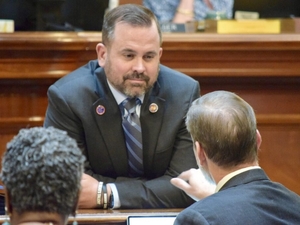
“We want this to be an effective tool for localities for rebuilding crumbling school infrastructure across the commonwealth, and if we need to look at that sunset provision so that it’s more usable, I think we should do it,” House Education Committee Vice Chair Del. Shelly Simonds told The Mercury in a recent interview.
Simonds raised the matter at the state’s Sept. 8 commission meeting on School Construction in Modernization, the first meeting since the group met in December 2022. Her comments followed a presentation on the 1% sales tax and the potential impact on localities.
After speaking with Newport News officials in the district she represents, she said they expressed concern that the bill’s expiration of the government’s power to impose the tax may not line up with the timeline needed to issue bonds against that revenue stream — something the delegate had not heard about before the city raised it.
Still, Simonds said the city is excited about the new tax option for school construction because it could help address multiple deteriorating school buildings needing replacement.
“We know that we’ve got roofs and HVACs that need to be replaced, but there are other things that we need in today’s modern school building,” Simonds said. “Just think about the technology needs that our schools have now: high-speed internet, fiber-optic networks. There’s a lot to consider beyond just the brick-and-mortar traditional school building.”
House Education Committee Chair Sam Rasoul, D-Roanoke, who carried legislation in the past to provide the sales tax option for localities, told the Mercury he’s “committed to giving our local schools all the tools and support we can to help with school construction needs, which includes more flexibility.”
After speaking with Newport News officials in the district she represents, Simonds said they expressed concern that the bill’s temporary power to impose the tax may not line up with the timeline needed to issue bonds against that revenue stream.
Simonds said she had not heard about that issue before the city raised it. Newport News is one of 47 localities seeking voter support in November to implement the tax.
Simonds said she and her colleagues will wait to hear what experts have to say at a future meeting.
Del. Chris Runion, R-Rockingham, also requested additional information at a future meeting on whether the sales tax revenue could be used for regional Career and Technical Education centers, existing bond payments, and construction already underway. The final budget excluded those provisions.
“I think if we’re interested in making the localities remove some of the fiscal stress from them, so they can provide this high-quality education that we’re demanding from them, I think it makes sense, and I would encourage us to readdress that issue,” Runion said.
Both matters center on the mismatch between when the money is available and when localities actually need it.
The commission requested a presentation on procurement and bonding at a future, unscheduled meeting.
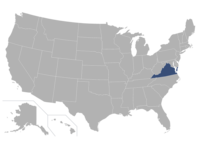
Richmond, VA