Shellfish farmers warn overregulation could drive NJ aquaculture to ‘extinction’
Sep 18, 2026 | 6:42 am ET
Description
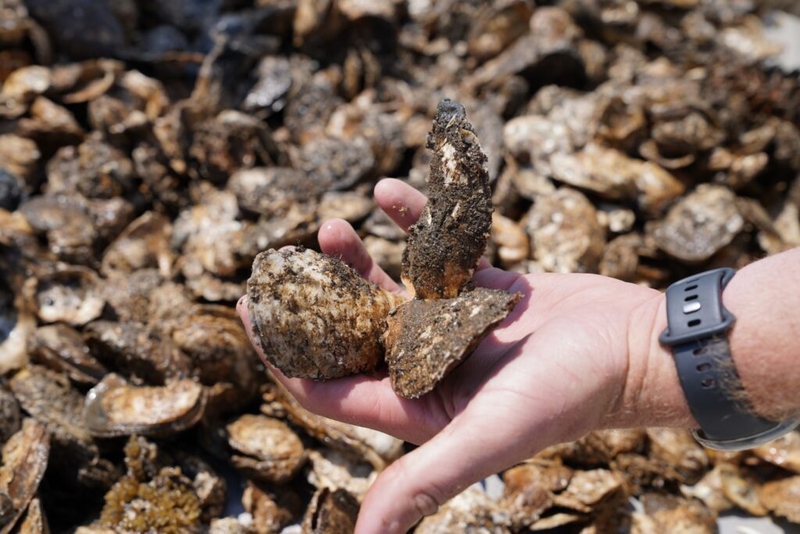
Shellfish farmers pleaded with New Jersey legislators to ease restrictions on aquaculture. An Assembly panel approved four measures Thursday. (Photo courtesy of New Jersey Department of Environmental Protection)
Legislators advanced a package of bills Thursday intended to help New Jersey’s aquaculture industry, with shellfish farmers complaining that state regulations stifle expansion and have driven some to move out of state.
The Assembly’s agriculture and natural resources committee listened to an hour of testimony during an afternoon hearing at the Statehouse, where shellfish farmers blasted a common boogeyman: the Department of Environmental Protection.
Oyster farmer Matt Gregg, co-founder and operator of the Barnegat Oyster Collective and president of the New Jersey Aquaculture Association, likened the department to a villain from a Scooby-Doo cartoon. Like Scooby’s gang of teenage detectives, shellfish farmers have had to band together to fight foes like the pandemic, marine predators, and extreme weather, Gregg said.
“But more often than not, the foe is the New Jersey DEP,” Gregg said. “If we don’t do something, we will die a death of a thousand cuts. We will regulate everyone into extinction.”
Larry Hajna, a department spokesman, declined to comment.
One of the industry’s biggest challenges, farmers testified, has been the state’s longtime narrow definition of aquaculture, which specifically bars “construction of facilities and appurtenant structures” from the definition. That has set aquaculture farmers up for zoning and permitting hurdles that land-based farmers don’t face and also discouraged commercial investors from investing, Gregg and other shellfish farmers testified.
“It’s like telling a farmer that the barn that he’s built and owns isn’t part of his farm,” said Scot Mackey, executive director of the Garden State Seafood Association.
So one bill the Assembly panel considered would expand the state’s definition of aquaculture beyond in-water operations to include land-based hatcheries, processing facilities, storage sheds, and other structures that support the industry. It passed unanimously.
Bill sponsor Assemblyman Alex Sauickie (R-Ocean) called it “a minor change but it is a game-changer.”
“These folks are treated like second-class farmers right now, from my point of view,” he said.
The panel also passed a bill that would get more industry voices on the Aquaculture Advisory Council in the state Department of Agriculture. Shellfish farmers complained that public officials now pack the council, which has had longstanding vacancies and sometimes flouts its statutory mandate of meeting four times a year.
“It’s hard to advise anyone on aquaculture matters if the aquaculturists aren’t involved in the discussion,” said Matthew Williams, who owns the Cape May County-based South Bay Shellfish Company. “In recent years, about half of the current industry-related seats have been vacant, and there’s been little industry attendance at the meetings. I think many members of our industry have been disenfranchised because of how things work at the council. Meetings get canceled. Members of the industry have literally been shushed, and the most recent aqua-development plan was six years late.”
The bill would expand the council’s membership from 13 to 18 members, at least eight of whom would have to be residents experienced in the aquaculture industry.
Committee members also passed a bill that would task the council, the agriculture and health departments, and other agencies with developing guidance on aquaculture agritourism. And they approved a resolution to recognize the work of Rutgers University’s Haskin Shellfish Research Laboratory. Scientists there have developed disease-resistant, hardier, and faster-growing oyster strains, the legislation notes.
Assemblywoman Andrea Katz (D-Burlington), the committee’s chair, said the bill package arose out of a visit she and other legislators made earlier this summer to see shellfish farmers in action in Barnegat Bay.
“What became pretty clear quickly is that our laws hadn’t quite caught up with what these farmers are actually doing,” she said.
Most of the aquaculture in New Jersey is shellfish production, with more than 50 mollusk farms in coastal bays here that primarily harvest hard clams and Eastern oysters, according to Rutgers. Farmers here also harvest trout, baitfish, koi, and aquatic plants, according to Sauickie.
One clam farmer said he hopes the legislative package passed Thursday is just the start.
William Mayer of Brigantine-based Clam Daddy’s told committee members clam farming is the backbone of New Jersey’s aquaculture industry but remains “microscopic” compared to its competitors down South because of “the red tape and the government restrictions.”
He urged lawmakers to consider giving aquafarmers financial assistance to offset skyrocketing labor and utility costs and persuading state environmental officials to expand the coastal acreage where they’re permitted to work.
“We have difficulty accessing commercial working waterfronts, never-ending electrical rate hikes, and labor costs that never seem to stop rising,” Mayer said. “The cost of doing business is a boatload of clams. As the marine commercial waterfront is erased by mega mansions, clam farmers are stuck with nowhere to go.”
Trenton, NJ