Louisiana prepares to pay more to its remaining private Medicaid plans
Sep 18, 2026 | 5:00 am ET
Description
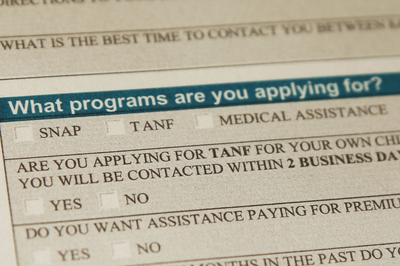
Four companies who provide Louisiana Medicaid plans will receive $16.1 billion from state in 2027 if lawmakers sign off on their contracts next month. (Photo by Makenzie Huber/South Dakota Searchlight)
The Louisiana Department of Health has proposed new, larger contract extensions for the four health insurance companies that will remain a part of the Medicaid program. The deals were shared with state lawmakers Thursday and will follow the exit of two private companies that are leaving the state — and up to 580,000 enrollees — by the end of the year.
Health officials provided details of the proposed contracts to the Joint Legislative Committee on the Budget. The remaining plans include Aetna Better Health, AmeriHealth Caritas, Humana Health Horizons and Louisiana Healthcare Connections.
The four companies will collectively receive $16.1 billion from Louisiana in 2027, assuming state lawmakers sign off on the agreements next month. The individual contracts are the largest in state government, ranging from $3.2 billion to $5.8 billion per year each, according to information the health department provided.
Medicaid provides publicly funded health insurance to lower-income families, pregnant people and those with disabilities. In Louisiana, the program covers 1.3 million people overall, about 1.2 million of whom have a Medicaid plan through one of the private insurers.
Louisiana started 2026 with two additional private Medicaid plans, UnitedHealthcare and Healthy Blue, that covered 278,000 and 292,000 people, respectively. But UnitedHealthcare abruptly left Louisiana’s Medicaid program at the end of March following a legal dispute with Attorney General Liz Murrill over its affiliated pharmacy benefits manager. The health department then announced Sept. 1 that Healthy Blue, offered by Elevance Health and Blue Cross Blue Shield of Louisiana, would shut down at the end of the year.
Blue Cross Blue Shield representatives have not responded to questions about why the company is shuttering Healthy Blue, but Elevance Health announced on a quarterly earnings call in July it would end several of its state Medicaid plans because of financial difficulties, according to Fierce Healthcare.
The drop to four privately-run Medicaid programs should ultimately be beneficial for Louisiana, Health Department Secretary Bruce Greenstein said Thursday. Hospitals, doctors and other healthcare providers will now deal with less administrative work when it comes to treating Medicaid patients because there will be fewer insurance companies, he said.
“I would say I feel more confident today than I’ve ever felt … in the history of the Medicaid managed care program,” Greenstein told lawmakers.
Jeff Reynolds, executive director of the Rural Hospital Coalition of Louisiana, agreed with Greenstein and said he expects his members to be pleased with the change. Fewer privately run Medicaid plans should make it easier for rural hospitals to submit insurance claims, he said.
Greenstein doesn’t expect any of the four remaining private Medicaid plans to pull out of Louisiana.
“I’ve spoken to the senior leadership in each of these plans in their national office and have great assurance that none of them plan to leave,” he told lawmakers.
Having fewer Medicaid insurance options is not expected to save the state a significant amount of money, however. The remaining companies are being paid more to absorb participants from UnitedHealthcare and Healthy Blue.
The cost of Medicaid programs for Louisiana will go down, from $16.7 billion in 2026 to $16.1 billion next year, due to lower overall Medicaid enrollment over the past year, state Medicaid director Seth Gold said.
Louisiana’s overall Medicaid enrollment has fallen by 176,000 people so far this year. It went from approximately 1.5 million in December to 1.3 million people at the beginning of this month, according to the health department.
Current Healthy Blue enrollees will have a window from Oct. 15 to Nov. 15 to choose a new Medicaid plan for 2027, according to the health department. Those who do not pick a plan will be assigned to one of the four remaining programs using an algorithm. It will prioritize assigning family members to the same plan and picking plans that are accepted by their existing medical providers.
Medicaid plans with better performance evaluations will also receive preferential treatment, in some cases, and could receive more enrollees who are existing Healthy Blue participants, according to the health department.
Regardless of where the Healthy Blue enrollees end up, their new plan will be required to cover all medical services previously authorized under Healthy Blue, including prescription medications, for the first 60 days of 2027, Gold said.
Baton Rouge, LA