Data centers, grid strain and the role of wind energy
Sep 17, 2026 | 12:35 pm ET
Description
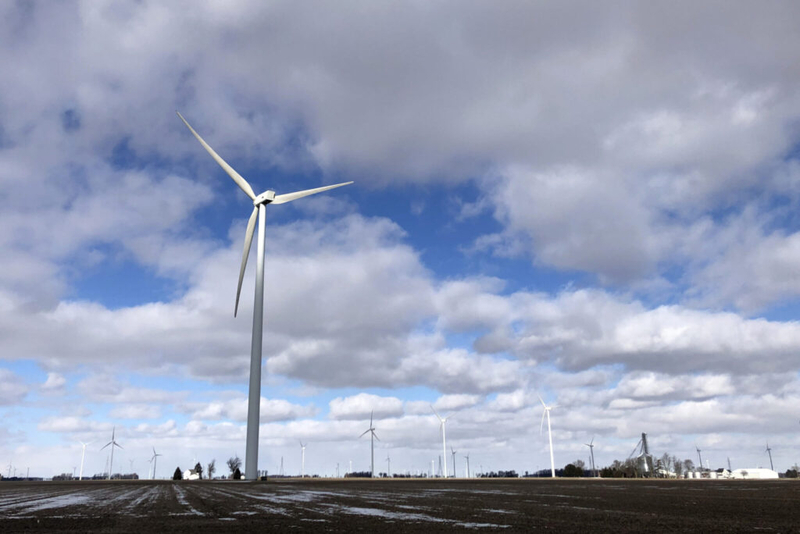
The Blue Creek wind farm in Ohio, consists of 152 wind turbines with a total capacity of 304 megawatts. The Federal Energy Regulatory Commission has finalized new rules that are expected to help ease the backlog of new wind, solar and battery storage projects awaiting regulatory approval. (Photo: Robert Zullo/ States Newsroom)
Energy demand is surging across the Southeast as states are also grappling with the reality of economic growth and rising electricity costs. One way to meet rising energy demand, ensure grid reliability, and keep costs stable is by diversifying states’ energy mixes. In the Southeast, wind energy could play a crucial role.
Responding to the growing data center demand
Data centers are driving electricity demand across the country, which raises concerns from residential customers that rely on the same power grid. In Virginia, data center demand has grown 20% annually over the past decade, and Dominion Energy is projecting a fivefold load growth by 2038. The largest data centers now use as much electricity as a medium-sized power plant – enough to power 75,000 homes. As more of these facilities are built, utilities must meet that growing demand while also ensuring that the costs of new electricity infrastructure are not unfairly placed on everyday households.
Virginia illustrates the scale of this challenge, as the nation’s leader in data center development thanks to a combination of electricity rates below the national average, tax incentives, well-developed infrastructure, and proximity to major customers within the Washington, DC metro area. A study found that, under a high-growth scenario, a typical residential customer could pay an additional $23 per month in electricity costs by 2030 and $37 per month by 2040.
Adding many large customers to the grid quickly requires costly new infrastructure, such as transmission lines and power plants, which can raise electricity bills for residential customers. A recent poll shows that bipartisan policies like the Ratepayer Protection Act aim to put costs on tech companies rather than residents, but 7 out of 10 Americans still oppose constructing data centers nearby, citing energy affordability as a major concern.
Grid strain & extreme weather
The challenges associated with surging electricity demand are compounded during extreme weather events when customers use more electricity and the likelihood of fuel supply disruption is greater. Winter Storm Fern saw a 16% increase in natural gas prices, setting an all-time average daily price record across all regional markets as fossil-fuel infrastructure was compromised by sub-zero temperatures. Meanwhile, ratepayers in New England saw relief during the July 4th heatwave thanks to utility-scale wind and solar that reduced reliance on natural gas.
Extreme heat and winter storms expose grid vulnerabilities and result in sudden spikes for natural gas consumption and prices. Preparing for that reality means diversifying the grid with resources that can perform when it matters most.
Wind energy’s role
As electricity demand grows, states need more than just additional power; they need a diverse energy mix that can keep the grid reliable and help protect consumers from rising and unpredictable energy costs. Wind energy produces electricity without relying on fuel, helping to hedge against volatile fuel prices, and can provide power during periods when the grid is under the most pressure.
The benefits from incorporating wind into states’ energy mix are already being felt. South Fork Wind, the first commercial-scale offshore wind farm in the United States, has been operating off Long Island since 2024 and is providing reliable electricity for roughly 70,000 homes. During a June 2025 heat wave, when electricity demand reached critical levels and New York declared a major grid emergency, South Fork delivered power at an 87.4% capacity factor during a key three-hour evening period, helping provide electricity when the grid needed it most. The project costs the typical residential customer about $1.58 per month while adding new generation to a grid-constrained area.
Results like these explain voter support for incorporating wind energy. A recent poll from TurnForward found that 74% of voters support offshore wind construction, and 84% favor more renewable energy in their state’s energy mix. More renewable energy (including wind) can reliably meet load growth, saving $5 billion per year, a 17% of savings for ratepayers, while meeting growing demand from data centers and population growth.
Where do we go from here?
The Southeast’s energy needs are changing quickly, and states must plan ahead to protect both the reliability of the grid and its ratepayers. Diversifying their energy mix can help meet rising demand, strengthen the grid, and prevent extreme price volatility. It’s up to policymakers to ensure that states’ largest energy users help pay for the infrastructure they require while investing in resources like wind that can deliver reliable, affordable power for everyone.
Casia Thompson is a communications intern at the Southeastern Wind Coalition in Chapel Hill, North Carolina.
Raleigh, NC