Montana moves to dismiss lawsuit against Yellowstone National Park bison plan
Sep 15, 2026 | 5:05 pm ET
Description
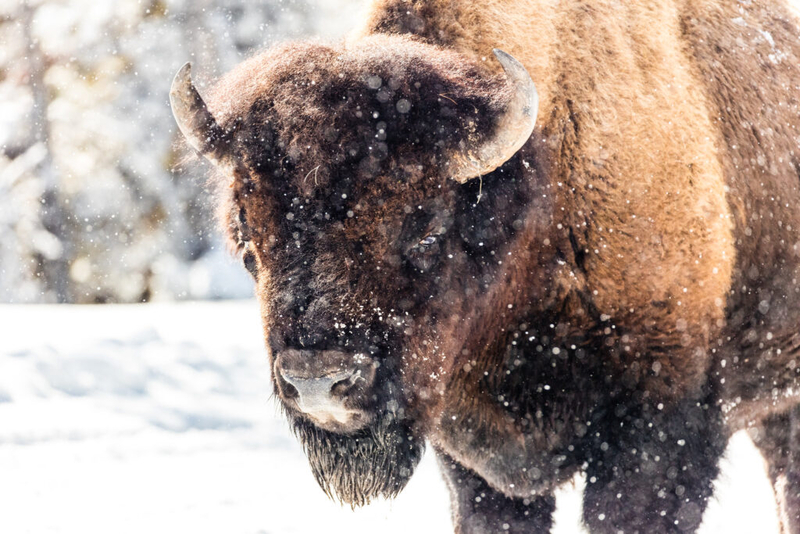
Bison warming up in the sun (NPS / Jacob W. Frank)
Montana has filed to dismiss its lawsuit against the federal government which challenged the National Park Service’s bison management plan in Yellowstone National Park.
The case, filed in Billings federal court in late 2024, argued that park officials intentionally cut the state out of management plans and ignored the agency’s own scientific consensus in order to boost the number of bison in the park and avoid vaccinating them against diseases.
At the heart of the issue is what happens when the bison inevitably roam across the man-made border of the park, often into Montana. The state argued that the park’s plan to increase the size of its herd and a decision to remove a requirement for bison to receive brucellosis vaccinations would cause harm to Montanans.
Several conservation groups and tribal nations, including the Fort Peck Assiniboine and Sioux Tribes and Confederated Salish and Kootenai Tribes, intervened in the lawsuit, defending Yellowstone’s management plan, and offered praise for the voluntary dismissal this week.
“The Fort Peck Tribes are encouraged to see the State of Montana dismiss its lawsuit so that the parties can move past litigation and focus on the real work ahead on the Bison Management Plan,” said Floyd G. Azure, Chairman, Assiniboine and Sioux Tribes of the Fort Peck Reservation in a statement. “We look forward to continuing to work with the National Park Service on the plan, particularly to maximize the use of the Fort Peck Tribes’ successful bison quarantine program as we continue to restore wild bison to Indian Country and fulfill treaty and trust obligations.”
Representatives from Montana Gov. Greg Gianforte did not respond to a request for comment by publication.
In April, the National Park Service said the agency would prepare a supplemental environmental impact statement for its bison plan to include additional alternative management strategies.
The federal government, defendants in the suit, filed a request to pause the lawsuit while that process played out, but a judge denied the request.
With the new filing, the state and federal government jointly state that the supplemental environmental impact statement offers “potential that Montana’s claims will be addressed, if not resolved,” according to court documents.
“Those of us who live in Montana understand that bison belong on the land,” said National Parks Conservation Association program manager Michelle Uberuaga. “Bison are woven into America’s conservation legacy and Montana’s history and cultures.”
But this doesn’t mark the end of the road for Yellowstone bison in court.
Montana’s lawsuit was administratively consolidated with another lawsuit, filed by conservation organizations Alliance for the Wild Rockies and Council on Fish and Wildlife, which also challenged Yellowstone’s management plan, but on different grounds.
The dismissal of Montana’s suit does not affect the conservation groups’ lawsuit, which is currently scheduled for a hearing in November.
Part of the claims in the separate suit by the conservation groups focused on the management actions in the bison plan to reduce risk of brucellosis transmission to cattle, which is documented to come from elk, not bison, in Montana.
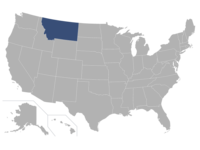
Helena, MT