Vermont’s largest hospital needs to further cut its revenue and spending next year
Sep 15, 2026 | 1:57 pm ET
Description
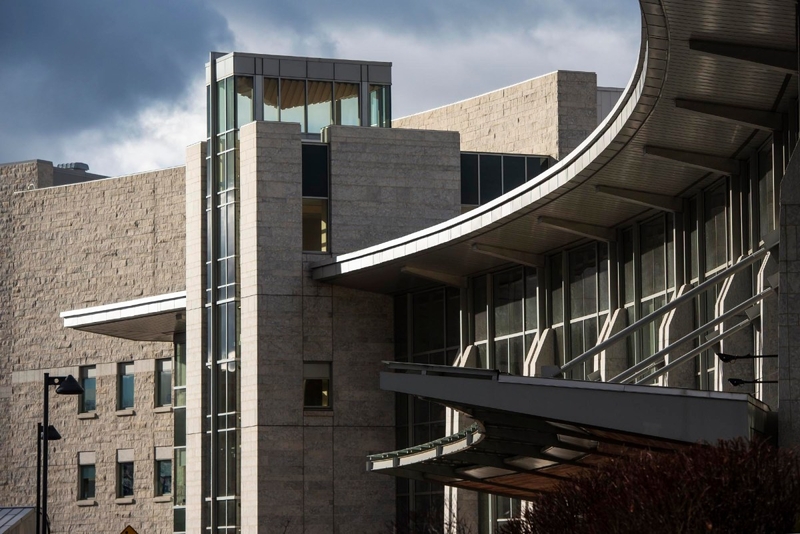
The University of Vermont Medical Center in Burlington on Monday, November 23, 2020. Photo by Glenn Russell/VTDigger
UVM Medical Center will need to take on even more austerity measures this coming fiscal year, the Green Mountain Care Board ruled late Monday.
The board ordered the hospital to cut what it charges commercial insurers by 4.4%, a $32.4 million decrease from last year. Commercial insurance will bring in $1.054 billion in revenue for the medical center — the majority of the allowed total patient revenue of $1.916 billion for the coming fiscal year.
But the decision was not without division. Care board chair Owen Foster and outgoing member Jessica Holmes both voted against the final decision in a 3-2 vote, arguing that the board could incentivize the hospital to use other tools to reduce health insurance prices rather than forcing UVM to further cut what it charges commercial health insurers.
The decision leaves the UVM Medical Center with very little wiggle room, according to its leaders. The medical center estimates that the orders will result in $75 million in losses, on top of the $75 million deficit that the medical center is predicting it will incur by the end of this fiscal year.
“We are burning through reserves right now,” Dr. Steven Leffler, who leads the medical center and its parent network, said during Monday’s board deliberations. “Our reserves right now are only holding up because of the stock market. Any real change in the stock market could put our reserves in a much more difficult situation.”
Year of losses
The UVM Health network — which includes the Burlington medical center, Porter Hospital in Middlebury, Central Vermont Medical Center in Berlin and three hospitals in upstate New York — is already racing to curb expenses.
The network entered this fiscal year budgeting for a $35.5 million surplus across the three Vermont hospitals, but it now expects to close the year with those Vermont hospitals losing $38.9 million.
These losses are largely driven by a new, lower-reimbursment contract with insurer BlueCross BlueShield of Vermont, and a new state law capping how much hospitals can charge for certain drugs.
Already, the hospital network is racing to account for the losses. It’s pushing clinicians to see more patients, negotiating cheaper prices for clinical supplies and laying off staff, as it attempts to bring its budget into balance. The network cut more than 140 jobs this year, saving an estimated $9.5 million from this year’s and next year’s budgets.
In its original proposed budget for next fiscal year, the network expected to cut $140 million in expenses. Yet even with such sweeping cuts, UVM Medical Center still planned for an increase in its total spending — about 8% more than last year. More than 3% of that growth comes from increased retail pharmacy expenses, which the hospital had asked the board not to count against it.
The network plans to cut its reliance on traveling staff by 30 people this coming year, a change expected to slash nearly $15 million. The hospital is also reducing its executive leadership team down to five full-time-equivalent staff, a drop of three from the 2026 budget.
But the care board still pushed for more. The board’s cap on how much revenue the hospital can collect is going to be “very, very difficult” for it to take in, on top of the ongoing efforts, Leffler told regulators.
“We will continue to do this work, and more, as fast as we possibly can, while minimizing the negative impacts to our patients and to our employees,” he added in a written statement Tuesday. “Today’s decision to further cut commercial rates beyond the cuts submitted in our original budget does make that balance more difficult, but it does not change our focus on the work and our commitment to making care more affordable and accessible.”
A board divided
The care board has blunt tools to regulate hospital prices and sustainability. It can set hospital revenue and how much revenue comes from commercial insurance. It also regulates how much a hospital can raise or decrease its rates to commercial insurers for drugs and services.
Last year, the care board set massive cuts to hospital revenue across Vermont, ordering a combined $95 million reduction in revenue from commercial insurers for all 14 hospitals. About $89 million of that was from UVM Medical Center.
Over the past year, the UVM network has grown much more transparent and collaborative with the care board in its directives, board members have said.
READ MORE
The medical center did not request an increase to what it charges commercial insurers this year.
Foster, the board chair, has historically put intense pressure on the hospital network to pull prices down. This year, he proposed reducing that commercial rate by 1% — less than his colleagues proposed.
“Given a lot of the changes that have happened at UVM,” he told board members in Monday’s meeting. “I would like to see a little bit less price reduction this year.”
He expressed concern about his colleagues’ push to reduce the rate by 4.4%.
“I do worry about the ability to take such severe price cuts in such a short period of time,” Foster added.
Of all Vermont’s hospitals, UVM Medical Center has the reserves to absorb more drastic cuts to its prices, care board member Dr. David Murman said. Murman is a physician at UVM Health affiliate, Central Vermont Medical Center and is recused from its budget decisions.
Foster argued UVM could reduce the revenue it raises from commercial insurers while keeping the decrease to what the hospital charges at 1%, not 4.4%. It could do so by keeping its patients healthier and out of the hospital and prioritizing primary care over care in the emergency department, Foster said.
Still, enough board members took issue with that line of reasoning.
Murman, the board member who introduced the guidelines the board eventually approved, was concerned that those measures alone would not be strong enough to reach the revenue reductions the board is asking for — and would not yield the healthcare affordability Vermonters want to see.
“I worry that the infrastructure is not sophisticated enough…” Murman said during the Monday meeting. “I do think UVM is in the most fortunate position in the state, with the largest reserves.”
All of Vermont’s 13 remaining hospitals, including the other two UVM Health network affiliates, also received budget orders from the board on Monday. They largely seek to similarly curb revenue those hospitals can collect from commercial payers and to pull down the price of services. Brattleboro Memorial Hospital, which just announced its intention to keep the birthing center open after plans to close it, was level-funded and asked to resubmit its budget.
Read the story on VTDigger here: Vermont’s largest hospital needs to further cut its revenue and spending next year.
Montpelier, VT