Thousands of acres conserved in Woodbury, where family plans to sustainably log for generations
Sep 10, 2026 | 7:44 am ET
Description
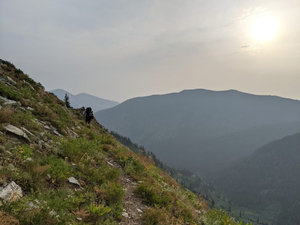
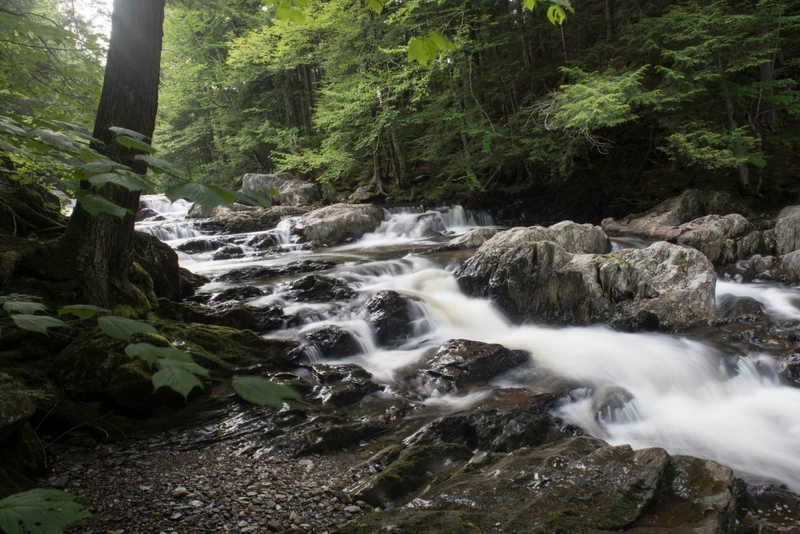
Views of Deer Lake property in Elmore, Vermont. Photo by Caleb Kenna/Vermont Land Trust
Andrew Meyer remembers, as a kid, visiting logging jobs in the area of the Worcester Range with his grandfather or uncle. They were using horses at the time, and then later upgraded to more modern equipment. He remembers the logs going to the mill or log yard in Hardwick.
He said the woods were a major part of his life; he grew up in Hardwick on a dairy farm and would spend time camping and hiking around East Long Pond.
E.B. Hyde Corp., Meyer’s family-run timber company, worked for more than a decade with several partner organizations to bring more than 18,000 acres under conservation easements. Last month, they finalized the last of three phases of the Worcester Woods project, placing more than 3,400 acres into an easement.
The Worcester Woods initiative involved a partnership among the Vermont Department of Forests, Parks and Recreation, the Vermont Land Trust and the Vermont Fish & Wildlife Department, along with other partners.
Meyer said his family’s been managing the woods as a working forest since the 1950s, when his grandfather started purchasing land in the region.
Kate Sudhoff is a land conservation manager at the Department of Forests, Parks and Recreation. She said what’s been conserved is an important wildlife corridor, a contiguous tract that animals can use to travel across the landscape. It’s also home to loons and some rare plants and flowers, and there’s a mile of lake frontage on East Long Pond. Its main ecological value, though, is that it’s an intact northern hardwood forest, an important habitat for wildlife in the state.
It’s also a high-priority conservation area for the Vermont Agency of Natural Resources.
“This one, we always thought of as the gem,” Sudhoff said.
Much of the funding for this project came from the U.S. Forest Service’s Forest Legacy Program. That’s revenue that comes partly from leasing federal offshore oil and gas sites. Sudhoff describes the funds as the biggest pot her department can go to for conservation projects at this scale.
“It requires a very patient landowner,” she said, noting it can take years for everything to be finalized. “They have to be really willing and interested in selling these rights and holding the land. And the landowner’s interest for the land has to align with the program.”
Landowner Meyer is used to being patient: He said trees take 80 years to grow, and he manages his forests in 20- and 30-year cycles.
“You have to think long term because these trees take so long to grow, and the health of the forest is critical to that,” he said.
Meyer said this permanent easement allows him to think about the future of the land more easily; he doesn’t have to worry about development pressure or policy changes, ever. He said his family shares a strong belief that the woods should be conserved for the long term.
“The understanding that that’s really part of the legacy of what my grandfather had envisioned and set forth over 70 years ago,” he said.
Easement purchases are a conservation tool where the land remains in private ownership, but the landowner is bound to the restrictions and agreements that come with the easement. For example, easements involving the Department of Forests, Parks and Recreation require that the area be publicly accessible and open for hunting.
Will Duane is the land acquisition coordinator with Vermont Fish & Wildlife. He said that even if the landowner decides to sell the land, the easement remains, and the public rights go along with the property.
“We’re paying the landowners,” he said. “They’re keeping the land private, but they’re selling some of those land rights to us to conserve it and to bring the public onto it.”
The land can’t be subdivided and developed, and an appraisal process determines the difference in value between what the owners might make from selling and developing the land instead of keeping it in conservation. They’re selling those rights, which cost a little less than $5 million for the final phase of the Worcester Woods project.
Vermont Fish & Wildlife also purchased from the Meyer family a 301-acre parcel that will become part of the Buck Lake Wildlife Management Area. That expanded the footprint of the Green Mountain Conservation Camp, a popular and affordable summer camp in the wildlife management area where kids can learn outdoor skills and natural science.
“It’s a real win-win-win across the board,” Duane said.
He called the Worcester Woods initiative an important example of collaboration. “The fact that we all can coalesce around these things, it’s a really good showing of unity in these times where perhaps it’s hard to agree on things,” he said.
Andrew Meyer plans to sustainably log the Worcester Woods for many generations.
“This is such a big, important piece of land in our region that so many people enjoy,” he said. “Whether they’re the logger cutting the wood, or the hunter or the hiker, or just knowing there’s large parcels of contiguous lands around them is what makes this region of Vermont so special.
“We’re obligated to recognize that and be in the position to help keep that the way it is, and a lot of people are going to benefit from that.”
Read the story on VTDigger here: Thousands of acres conserved in Woodbury, where family plans to sustainably log for generations.
Montpelier, VT