Making New Kaua‘i Homes Wildfire Resistant May Cost Much More Than Expected
Sep 10, 2026 | 6:01 am ET
Description
Photo courtesy of Honolulu Civil Beat
Making new Kaua‘i homes more resistant to wildfires was expected to nominally increase construction costs but the task may be much more expensive than originally thought.
The Kauaʻi County Council is pumping the brakes on Bill 2998 after receiving the new estimates last week. The legislation would impose new construction standards to lessen the chance of wildfire embers igniting homes and spreading within a community.
For a 1,000-square-foot home, the bill was originally expected to add an extra $6,750 to the cost of building, but new estimates from the Contractors Association of Kaua‘i show the extra costs could be as high as $106,850.
“The differences in these numbers are so significant it warrants this body to at least ask the questions,” Council Chair Mel Rapozo said during Wednesday’s council planning committee meeting. The association, which represents contractors, suppliers and other businesses in construction, provided the estimates at his request.
The committee, chaired by Council Member Addison Bulosan, who introduced Bill 2998, made several changes to the bill but deferred pushing it to the full council for a second time. Members said they want to get more public input and mull over the revisions.
Read More: Kauaʻi Wants New Homes To Resist Fire. It’s Cheaper Than You Might Think
“This is a big bill and has a lot of impacts on people going forward,” said Rapozo, who is not a voting member on the committee but participated in the discussion.
Kaua‘i is already dealing with high housing costs caused by a shortage of homes. The median sales price is $1.19 million for a single-family home and $901,900 for a condo. The island needs roughly 4,900 more homes by 2027, according to the 2024 Hawai‘i Housing Planning Study.
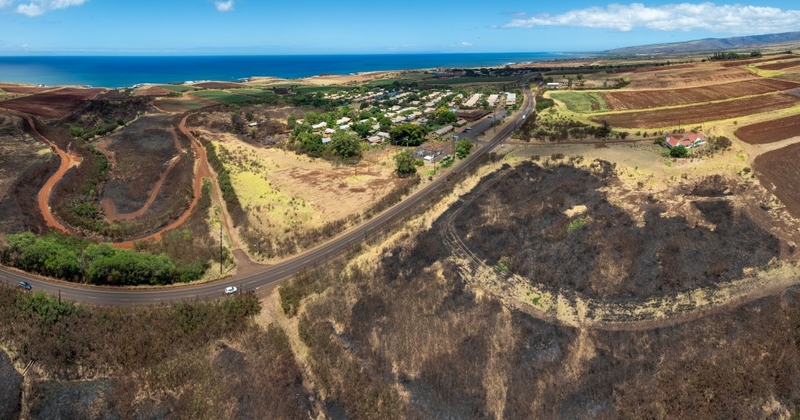
This all comes at a time when climate change is increasing the risk of more frequent and intense wildfires. In recent years, Westside communities have had to evacuate due to the threat of fires.
“We’re seeing fires now that we wouldn’t have seen 20, 30 years ago and they’re going to start shifting to the different areas or wetter areas,” Kaua‘i Fire Chief Michael Gibson said at the committee meeting.
Preventing Ember Intrusion
Kaua‘i’s wildfire risk is higher than 91% of counties in the country, according to datasets developed by the U.S. Department of Agriculture Forest Service. Wind-blown embers, which can travel for over a mile, are the main reason why wildfires spread and ignite structures, according to the National Fire Protection Association.
“We get the 30 mile an hour wind or higher and they’re going to start driving the heat, the flame, the embers anywhere,” Gibson said, adding, “it’s just going to go house to house at that point.”
Under Bill 2998, new homes, as well as renovated portions of homes that add square footage, would need to install at least 6 inches of metal flashings, cement or other noncombustible material at the intersections where exterior walls connect to the ground, decking and roof.
Metal mesh would also need to be installed over ventilated openings and to enclose the underfloor space beneath homes that are elevated four feet or less. Gutters, downspouts, roof coverings and foundation legs would need to be made from noncombustible material.
Attend The Next Council Committee Meeting
When: Wednesday, Sept. 16
Time: 8:30 a.m.
Where: Council Chambers in the Historic County Building at 4396 Rice Street, Suite 201, in Līhu‘e
Time: 8:30 a.m.
Where: Council Chambers in the Historic County Building at 4396 Rice Street, Suite 201, in Līhu‘e
Meeting agendas are posted here six days before each meeting and include instructions on how to submit testimony.
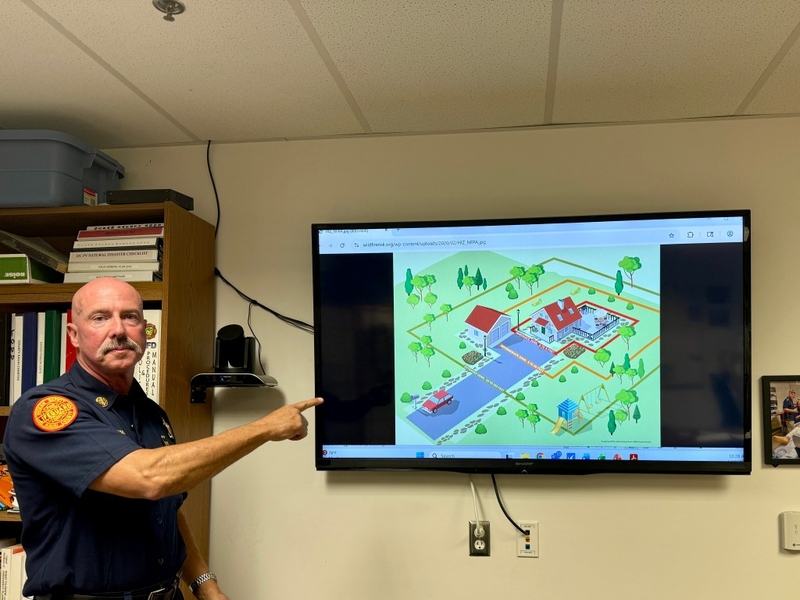
Homes would need to have a 5-foot-wide band of concrete, gravel or brick surrounding the exterior walls.
During last Wednesday’s meeting, council members approved an exemption from this requirement for homes with noncombustible exterior siding. Those homes must also have noncombustible shutters to enclose windows, doors or vents.
Another approved amendment requires the county to analyze whether wildfire-resistant landscapes could be another option instead of the 5-foot hardscape.
Increased Costs
The new building standards were originally expected to increase construction costs by only $6.75 a square foot. That number was based on quotes from five local contractors whose estimates ranged from $4.33 to $8 a square foot, Planning Director Ka‘āina Hull told council members.
Estimates provided by the Contractors Association of Kaua‘i put the added costs at $16.85 a square foot, plus either $40 a square foot if gravel is used for the 5-foot band or $90 if the band is concrete. The association said the numbers are for this month and believe they’d be good for the rest of the year.
Even before new estimates were made public, some residents and organizations had concerns about how the bill could make building homes more expensive.
Don Horner, CEO of Grove Farm Company, asked in written testimony that the council find a balance between safety and affordability.
Likewise, Tom Shigemoto, a member of nonprofit affordable housing developer Kauai Housing Development Corporation, echoed a similar statement in his testimony, writing that he’s concerned about the impact that added costs could have on affordable projects.
At the meeting, Kaua‘i Habitat for Humanity thought the added costs were doable, saying the organization could absorb them and still provide homes that residents below 80% of the area median income could afford. The nonprofit developer relies on its homebuyers to help build their houses, which helps lower costs.
“We’re all concerned with safety in our communities with the ever-changing environment and other pressing needs that weigh on our costs and other considerations. I urge you folks to consider passing this bill as amended,” Milani Pimental, executive director of Kaua‘i Habitat for Humanity, told council members last Wednesday.
The county Board of Water earlier this summer approved a waiver so that new homes that meet the bill’s requirements don’t have to pay a Facilities Reserve Charge that’s normally imposed for new water meters. For a 5/8” meter, that’s a cost savings of $14,115. Other types of new construction — such as resorts, commercial developments and vacation rentals — would still have to pay the charge.
Last Wednesday, council members questioned whether that waiver was worthwhile when the Department of Water struggles with a funding shortage.
Read More: Kauaʻi Water Utility Hawks $1.3B Plan To Overhaul Century-Old System
The department receives $800,000 to $2 million from the Facilities Reserve Charge each year, said Joe Tait, manager and chief engineer of the Department of Water. Last year, it received $1.1 million from single-family homes.
“As far as I can go back in records, the water department has never been adequately funded,” Tait told council members.
Council member Arryl Kaneshiro said while the council doesn’t like adding costs to homeowners, the bill is especially important when the water department says its funding struggles hinder its ability to deliver water.
“These measures are for us to protect ourselves and our houses first, so we don't have to sit and say, ‘I hope my water turns on and I hope the utilities don't go off because of the fire,’” he said.
Protecting Kaua‘i From Fires
Bill 2998 is the second measure the council has discussed in recent years to shore up homes against fire.
Wildfire Home Protection Resources
–Ready, Set, Go! Wildland Fire Action Guide
–Fire-Resilient Landscape Guide (Created for Lahaina and West Maui but can be helpful for other areas, too.)
–Firewise Program
–Kaua‘i Wildfire Home Assessment Program
–Fire-Resilient Landscape Guide (Created for Lahaina and West Maui but can be helpful for other areas, too.)
–Firewise Program
–Kaua‘i Wildfire Home Assessment Program
Kaua‘i’s five plantation camps are already required to follow much of the bill’s standards as part of the county’s Wildland Urban Interface ordinance. Kaua‘i is the first Hawai‘i county to have such an ordinance.
The county also recently launched its wildfire home assessment program, which aims to educate homeowners on how they can reduce their properties’ wildfire risk.
Council members pushed back Bill 2998’s effective date to Oct. 1, 2027. They’ll take up the bill again at the Sept. 16 planning committee meeting.

Honolulu, HI