Auditor finds state nursing home inspections are often delayed
Sep 09, 2026 | 6:28 am ET
Description
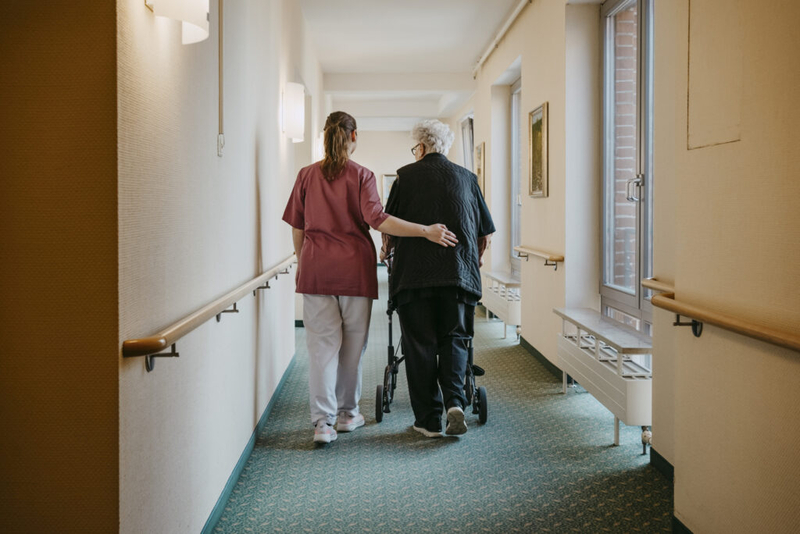
State auditors found that health department inspectors are lagging in their inspections of nursing homes, potentially endangering residents. (Getty Images)
Staffing levels at many New Jersey nursing homes remain inadequate and state inspections are frequently delayed, weaknesses that increase the risk to residents, a new state audit warns.
State Auditor David Kaschak released a report Tuesday based on his office’s audit of the Department of Health’s work between July 1, 2022, and March 31 of this year. The department oversees New Jersey’s 350 nursing homes, conducting at least 500 inspections and responding to at least 1,000 complaints annually.
Kaschak’s report calls the health department’s oversight of nursing homes “adequate” while noting that it has not been able to comply with state or federal regulations on the number of minimum nursing home inspections. Federal and state regulations require each nursing home to be inspected at least every 15 months, while the statewide average for all inspections must be under 12 months.
“We found the division is falling significantly short of meeting the required time frames,” Kaschak said.
Auditors found that, as of February, state inspectors were checking nursing homes every 20 months on average. More than a quarter of the facilities had not been inspected in at least two years.
In addition, more than 80% of the division’s inspections resulting from nursing home complaints were delayed, according to the report. One incident that should have triggered a facility visit within three days took 215 days for the team to examine.
Delays are a result of a COVID-19 era backlog, hiring freezes, and a loss of staff — there are now eight inspection teams, instead of 12 — and the June expiration of a contract with a company that served as a backstop for state inspectors, the auditors found.
“Without expanding the division’s current resources, an even greater strain will be put on existing staff to try and complete the necessary inspections,” Kaschak said.
State officials have faced ongoing criticism for their oversight of nursing homes during the COVID-19 pandemic, which spread rapidly in congregate housing facilities, especially among vulnerable and elderly residents at high risk for infection.
A report commissioned by former Gov. Phil Murphy identified multiple weaknesses and recommended the state strengthen its control over these facilities.
Neil Eicher, a deputy health commissioner, said staffing challenges, the lingering impact of the pandemic, and federal government closures and funding interruptions have delayed inspections. Surveys are prioritized for facilities that haven’t been recently reviewed or have complaints or poor outcomes in the past, he said.
“The Department remains committed to strengthening oversight and accountability, addressing identified gaps, and prioritizing resources based on resident health and safety” while supporting compliance with federal requirements, Eicher wrote in a response included in the report.
Andy Aronson, president and CEO of the Health Care Association of New Jersey, which represents nursing facilities, said the survey backlog will be reduced by a new, risk-based federal inspection model set to take effect this fall that will allow the state to target facilities that are most in need.
“Skilled nursing facilities in New Jersey provide an extremely high quality of care and are subject to the most rigorous inspection system of provider type in the health care system,” Aronson told the New Jersey Monitor.
New Jersey adopted a host of changes designed to strengthen state oversight of nursing homes in the wake of the pandemic, including a novel law that dictates staffing levels. Industry leaders, including the Health Care Association, sued the state claiming the mandate is unconstitutional and impossible to meet, given what they say are ongoing staffing shortages. That lawsuit is ongoing.
State auditors also found this problem continues. Five of the 11 facilities they visited and checked had staffing levels that did not meet the requirement, according to the report.
In addition, auditors found nearly a quarter of the nursing home complaints were improperly classified, contributing to inspection delays. Even when nursing home management raised a concern, it could take the state more than a year to inspect.
Trenton, NJ