With Pretty Rocks bridge completed, full road use in Alaska’s Denali National Park set to resume
Sep 04, 2026 | 9:55 am ET
Description
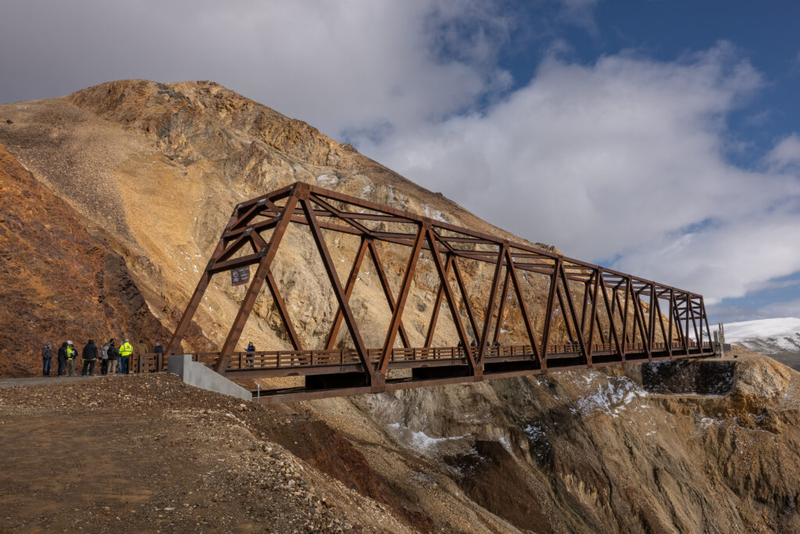
The completed Pretty Rocks bridge in Denali National Park is seen on Sept. 2, 2026. The bridge allows visitors to travel above an ongoing thaw-induced slide that made the park's sole road impassable at about the midpoint of its 92-mile distance. Vehicle traffic is set to resume next year now that the bridge is completed, the National Park Service said. (Photo provided by the National Park Service)
Visitors to Denali National Park will be able to motor over the full park road starting next year for the first time since a landslide made the route impassable in the late summer of 2021, the National Park Service said Thursday.
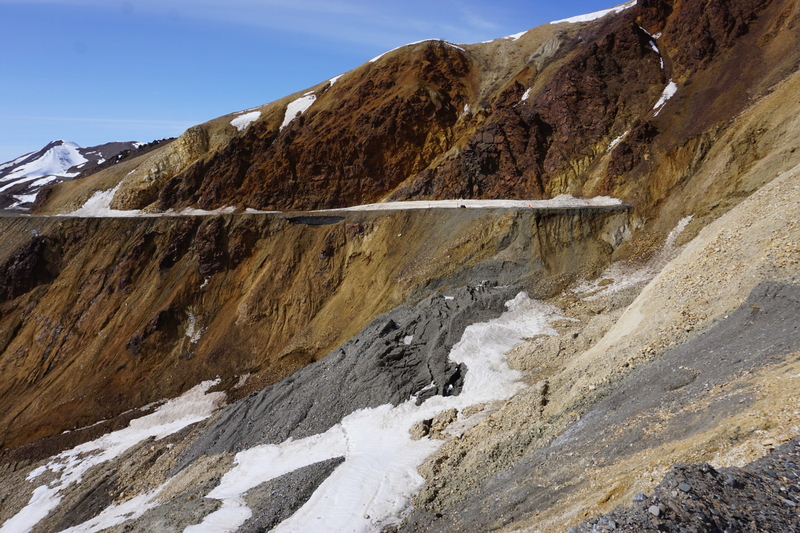
Construction crews have completed a 475-foot-long bridge that allows vehicles to avoid an ongoing thaw-induced slide at a spot called Pretty Rocks, located about midway along the park’s 92-mile road.
“This is an exciting milestone for Denali and for everyone who has worked over the past five years to restore access to the west end of the park road,” Brooke Merrell, superintendent of Denali National Park and Preserve, said in a statement.
“Building a bridge across an active landslide in one of the most remote and challenging environments in the country required extraordinary collaboration, innovation and determination. We are grateful to the Federal Highway Administration, our project partners and the many people who made this possible, and we look forward to welcoming visitors back to the west end by bus in 2027,” she said.
Visitors on foot and bicycle are now allowed to cross the bridge to travel on the road beyond, the Park Service said. However, a bit more work must be completed to ensure that the road section on the west side of the bridge is ready for vehicle traffic next year.
The bridge project cost about $230 million, officials said. The money came from the Infrastructure Investment and Jobs Act of 2021, disaster-response funds and other sources.
The Pretty Rocks landslide is one of about 150 documented slides along the route, which is the sole road running through the park. But it is the slide that has caused the most trouble.
The park road is generally closed to private traffic beyond the first 15 miles. Most road traffic is by shuttle buses that deliver visitors to hiking and camping sites. The landslide made the road impassable for those buses.
The chosen fix for the problem is the bridge, which passes above the still-moving landslide, along with some work within the road. One feature of the project is the installation of thermosyphons, devices that slow permafrost thaw by releasing heat from the ground.
Thaw of permafrost and melting within rock glaciers — geologic features that are combinations of rock and ice – have been identified as prime causes of the Pretty Rocks slide and other park landslides.
The steep terrain, presence of permafrost and other geologic characteristics made the project complex.
Previously, the Park Service aimed for completion in time to reopen the full road by 2025. Unexpected problems with clay pushed that target to 2026.
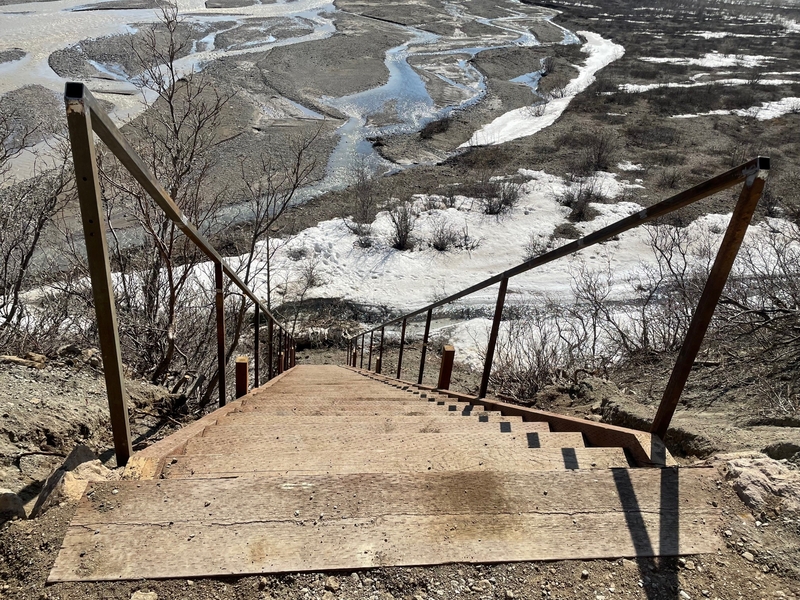
During the years of traffic closures at Pretty Rocks, park managers have directed visitors to alternatives. The area beyond Pretty Rocks remained accessible to those willing to hike a detour route down to the valley floor, using a temporary staircase. Customers of lodges just beyond the road’s edge, on private property at a site called Kantishna, were able to travel there by plane. And park managers have emphasized visitor and recreation opportunities in the park’s more accessible frontcountry.
Despite those accommodations, Denali visitation has been reduced during the Pretty Rocks construction years.
In 2019, the year before the COVID-19 pandemic, the park logged about 601,000 visitors. Visitation collapsed by about 90% in the pandemic year of 2020, according to the Alaska Department of Labor and Workforce Development. Over time, visitation began to recover. The total last year was 543,300, a Denali spokesperson said.
Juneau