Hunger crisis widens in North Carolina as food banks face more demand, federal cuts
Sep 03, 2026 | 2:29 pm ET
Description
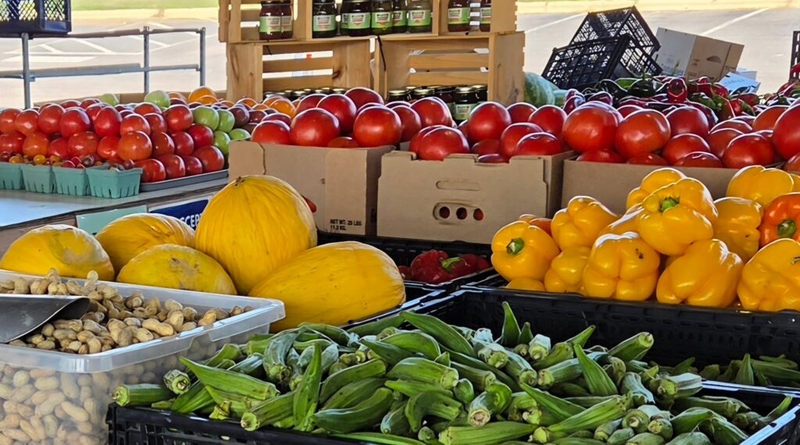
New data shows a growing number of families are struggling to afford fresh fruits and vegetable, like those available at the State Farmers Market in Raleigh, North Carolina. (Photo: Clayton Henkel/NC Newsline)
On a steamy September morning, all of North Carolina’s agricultural bounty is on display at the State Farmers Market in Raleigh. The boxes and crates of neatly stacked fruits and vegetables stand in stark contrast to new data that reveals a worsening hunger crisis in North Carolina.
According to Feeding America’s annual Map the Meal Gap analysis, 1 in 7 North Carolinians are unsure where their next meal will come from. That compares to 1 in 9 individuals in 2021.
“There are now close to 630,000 people in the 34 counties our food bank serves who are food insecure, meaning they don’t have the resources to consistently keep food on the table,” said Amy Beros, president of the Food Bank of Central and Easten North Carolina.

Beros told reporters this week that nearly 180,000 more people are facing food hardship than at the height of the COVID pandemic in 2021. She said they are calling attention to the increase during September, which is Hunger Action Month.
Farmers, community allies, and supporters have all been working to increase the supply of food at local pantries, but Beros said federal funding cuts and eligibility changes are taking their toll.
Rising food prices have also forced consumers to stretch their budgets or make do with less. According to the USDA, grocery prices have gone up 2.7% on average in the past year, with some items like ground beef up 10% to 18%.
“Across the more than 700 local pantries, meal and food distribution sites, many partners have been reporting to us increases in visits ranging from 20% to 60%,” said Beros.
Demand is breaking records across the state. Community of Hope Ministries in Garner recently served 597 households in a single month. At the coast, Martha’s Mission served 4,400 families in Morehead City over the past year. At Feed Your Neighbor in Greenville, more than 700 households now rely on the community pantry to put food on the table.
Beros highlighted the local organizations this week as she warned that the demands on the largely volunteer pantries are not sustainable.
More hungry children, fewer choices for families
Children are disproportionately likely to be hungry. Statewide, 21.5% of North Carolina’s children face food insecurity, meaning that more than one in five kids and teens are worried about their next meal. Experts estimate 57,000 more children are facing hunger than in 2021.
And that hunger is not experienced equally.
Nearly one in three Black households and nearly one in four Latino households face food insecurity. That’s two to three times the rate of white households, where hunger touches one in nine households.
Families on a tight budget rely on cheaper, more processed foods, which are higher in fat, sodium and sugar.
“It is not because they do not want to eat healthy. It is because oftentimes that food is just not accessible to them because it is the most expensive food out there,” said Beros.
A big part of the organization’s 2030 strategic plan is to increase access to fresh produce and protein. But the Trump administration has cut funding for a program that buys fresh foods from local farmers to donate to food banks.
Trump Canceled 94 Million Pounds of Food Aid. Here’s What Never Arrived.
New SNAP restrictions
Beros said the Food Bank is grateful that the new state budget includes $9 million for food purchases, but the state investments will not erase larger federal losses or cuts that are coming.
Statewide more than 1.2 million North Carolinians rely on SNAP, commonly called food stamps, to purchase groceries. But strict work and reporting requirements have led to a decline of more than 100,000 in enrollment in just the last year.
Beginning October 1st, the federal government will shift an additional quarter of SNAP administrative costs to the state and counties. While the state’s portion is covered in the recent budget, the county portion is not, adding to the workload and paperwork of county social service offices. That loss of support will send more people to their local pantries.
Next October, states will be required to pay a portion of the SNAP benefit costs based on their payment error rate. The Stein administration estimates that North Carolina may be responsible for paying $140 million or more each year because of the federal changes.
Beros said there is no way North Carolina’s large hunger relief network can make up what is being cut at the federal level.
For every one meal that the Food Bank of Central and Eastern North Carolina provides, SNAP provides nine.
Beyond donations, food bank leaders are urging North Carolinians to contact elected officials and ask them to protect SNAP and restore strong federal food purchase programs.
“What we are trying to make sure is that the humanity remains at the center of how we talk about this crisis. These are not just numbers. These are our neighbors,” said Beros.
Raleigh, NC