$25,000 a year for childcare. That’s a problem for all of us.
Sep 02, 2026 | 6:30 am ET
Description
Getty Images.
If you think childcare doesn’t affect you, think again.
In April, the federal Centers for Disease Control and Prevention reported that American women gave birth to about 710,000 fewer babies last year than in 2007, the nation’s peak.
Fewer babies born today means fewer adults joining the workforce later.
Economists predict that the shrinking workforce may cause many to work longer before retirement, make it harder for businesses to find employees and destabilize elder care and health insurance programs.
There are many contributing factors to the birth rate decline, but I can’t help but consider my own personal experience: the cost of childcare has been the No. 1 factor in deciding when to grow our family, and how many children to have. We want at least one more child, but have chosen to widen the age gap between them to limit the number of years we have with multiple kids in childcare.
My husband and I pay $25,000 per year for childcare for our 2-year-old daughter.
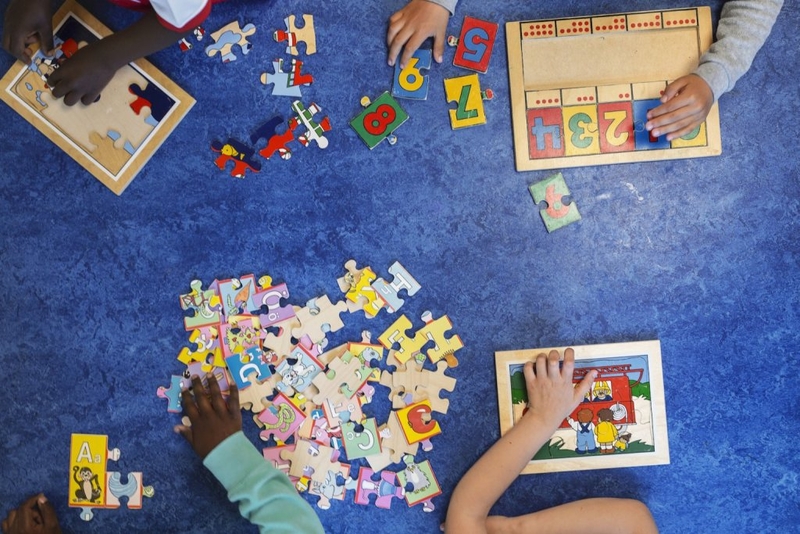
Today, our broken childcare system presents parents with a long list of challenges: waiting months or even years for a childcare spot; choosing limited hour options to keep costs down; enduring a revolving cast of educators in a high-turnover classroom; scrambling to find backup childcare if a provider is closed; and putting our careers on pause because most of our salary goes to childcare.
This system is a detriment to our current workforce and economy by reducing productivity, increasing absenteeism and straining talent retention for both large corporations and small businesses.
I believe universal childcare should be a top economic priority for politicians and voters this election cycle. When parents and families thrive, our economy thrives – and so does everyone in our community.
If the cost of sustaining a universal childcare system concerns you, consider this: Minnesota would experience a huge return on the investment if our policymakers were to fund universal childcare.
Decades of neuroscience and behavioral research at Harvard University show that the first five years of life are a critical period of brain development, that if properly nurtured and invested in, can better prepare children for success in school and in the workplace. An investment in early childcare can help children from all walks of life become healthy, productive, educated, working, high-achieving citizens who contribute back to our society.
We can make this a reality. Imagine a system where there is free or low cost childcare for all children. Where parents don’t have to sacrifice quality due to cost. Where early childhood education attracts and retains the most talented, qualified professionals with professional pay. Where all children get equal opportunity to learn and develop during these critical early years of life. New Mexico has already passed universal childcare, and Minnesota should be next.
At a Childcare for All MN event a few weeks ago, I got to chat with U.S. Sen. Elizabeth Warren, D-Mass. When I said that I think childcare should be treated just like public education — something that all Minnesotan families have access to — Warren agreed and pointed out something we don’t talk enough about.
A public education system that starts at age 5 is outdated. Today, about three-fourths of Minnesota’s kids have both parents in the workforce and those families need childcare. We also better understand the impact of high quality early education than we did 50 years ago.
Everything has changed except for our patchwork childcare system that is unaffordable for families and doesn’t pay teachers living wages. It’s time that changed, too.

Saint Paul, MN