A hemp farmer has some questions for Rhode Island’s next attorney general
Sep 02, 2026 | 5:00 am ET
Description
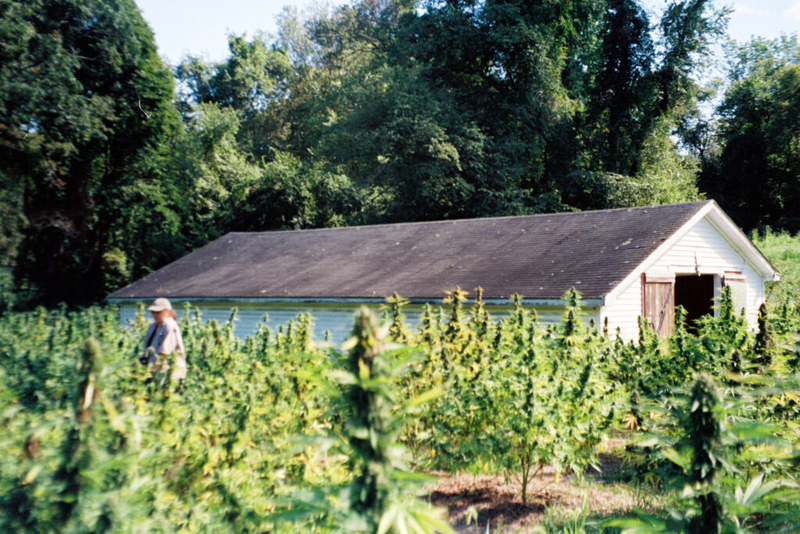
CBD products grown in compliance with Rhode Island state law in Hopkinton may naturally exceed more than 0.4 milligrams of THC per package, which violates a new federal definition of hemp enacted late last year.
(Photo courtesy of Lovewell Farms)
Last October, Rhode Island Attorney General Peter Neronha joined 38 other state attorneys general in signing a letter urging Congress to change the federal definition of hemp. On Aug. 4, Neronha signed another multistate letter, this time urging Congress to reject any effort to “delay, repeal, suspend, or weaken” hemp restrictions enacted in November 2025.
I have now written twice in the last year about the problems with this federal policy and its consequences for Rhode Island farmers and small businesses. I write as the co-founder of Lovewell Farms, Rhode Island’s only USDA-certified organic hemp farm, founded in 2018. I write this with nearly 20 years experience in cannabis and drug policy. Lovewell Farms supports strong regulation of hemp products, including testing, reasonable potency limits, child-resistant packaging, accurate labeling and restrictions on sales to minors.
What we do not support is describing Rhode Island’s regulated hemp industry as something that is harmful.
That was one of the central problems with the October 2025 attorneys general letter. It described a national hemp market in which products are sold “without consistent age restrictions, labeling standards, or safety requirements,” while discussing gummies and beverages marketed to children and synthetic cannabinoids produced through chemical conversion. Those concerns may be legitimate in states that have failed to regulate hemp products. They do not accurately describe Rhode Island. Neronha signing this letter made it appear he agreed with these claims, and that they were reflective of our state’s program.
But Rhode Island has a state-regulated hemp program. Businesses like mine operate under state licenses and are subject to the exact same requirements governing testing, potency, labeling, packaging and age restrictions as the state’s medicinal cannabis program. The state has also placed specific limits on THC in consumable hemp products. There is certainly room to debate whether those regulations should change, but it is simply inaccurate to describe Rhode Island’s hemp market as unregulated and unsafe.
This distinction became particularly important after Congress enacted a new federal definition of hemp last November. Rhode Island Sens. Jack Reed and Sheldon Whitehouse both opposed an amendment that would have removed the hemp provision, and their offices subsequently told Rhode Island Current that they did so “at the urging of the vast majority of the state attorneys general.” Neronha’s participation in the October letter therefore had consequences beyond Rhode Island. It provided the justification for a congressional vote that now threatens farmers nationwide.
What we do not support is describing Rhode Island’s regulated hemp industry as something that is harmful.
This August letter is more troubling after the U.S. House of Representatives on Tuesday passed legislation that would give farmers another month before the new definition takes effect. The provision is part of a short-term government funding bill to avoid a federal shutdown this fall. It keeps the federal government funded through Dec. 11 and was already approved by the Senate in early August. If signed into law by President Donald Trump, the effective date of the hemp product ban would also be moved to Dec. 11. Rather than support that effort, Neronha joined other attorneys general in asking Congress to reject any delay or modification.
The problem remains that the federal definition is much broader than the synthetic and highly intoxicating products discussed throughout both letters. The August letter itself acknowledges that the new law excludes final hemp-derived cannabinoid products containing more than 0.4 milligrams of total THC per container. That threshold does not merely eliminate synthetic delta-8 products or high-potency THC gummies. It threatens ordinary, naturally extracted, full-spectrum CBD products containing trace amounts of THC like those manufactured on our farm.
This is important for farmers like me. CBD-rich hemp flower plants naturally produce small amounts of THC. Full-spectrum extracts preserve most of the natural cannabinoids in the plant. Our products can therefore be non-intoxicating, produced without chemical conversion, and compliant with state law, all while containing more than 0.4 milligrams of THC per package.
The August letter nevertheless states that the new definition will preserve “safe, nonintoxicating hemp products” and “will not inhibit the cultivation of hemp.” For cannabinoid hemp farmers, those assertions deserve considerably more scrutiny. Congress should be able to prohibit synthetic intoxicants or establish reasonable national standards without defining naturally occurring, non-intoxicating full-spectrum CBD products out of existence.
AG candidates: Please answer the following
This issue now has particular relevance in Rhode Island because Neronha is term-limited. The state will elect a new attorney general this year, and that person will inherit the authority to sign letters like these on Rhode Island’s behalf. The candidates for attorney general should therefore explain their positions on hemp before the primary election.
- Do you support Rhode Island’s existing regulated hemp industry?
- Do you believe naturally occurring full-spectrum CBD products should remain legal?
- Do you support the federal 0.4-milligram-per-container standard, even when it prohibits non-intoxicating products that are legal under state law?
- Do you support distinguishing those products from chemically converted intoxicating cannabinoids?
- Will you consult Rhode Island regulators, farmers, and licensed businesses before signing national policy letters that make factual claims about our state?
When an attorney general signs such a letter, the signature carries the authority of the state. As the congressional response to the October letter demonstrated, those signatures can influence federal policy. The August letter suggests that there is still a substantial disconnect between the national hemp debate and the businesses operating under Rhode Island law.
The next attorney general has an opportunity to approach this differently. Rhode Island does not need someone who automatically agrees with the hemp industry, nor should the industry be exempt from scrutiny. We need an attorney general who understands the laws already in place and distinguishes between regulated and unregulated markets, intoxicating and non-intoxicating products, and synthetic cannabinoids and the naturally occurring compounds found in a legal agricultural crop.
Rhode Island has already chosen to regulate hemp rather than prohibit it. Our next attorney general should explain whether they intend to defend that decision, or abandon it.
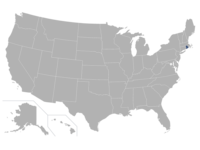
Providence, RI