Michiganders speak out on Consumers Energy’s proposed sale of 13 dams to private equity
Sep 02, 2026 | 4:55 am ET
Description
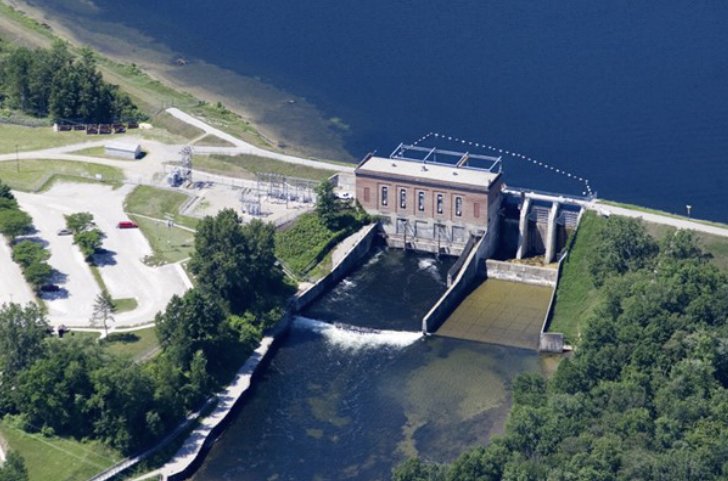
Foote Dam in Iosco County, one of 13 hydroelectric dams proposed for sale by Consumers Energy. (Photo from Consumers Energy)
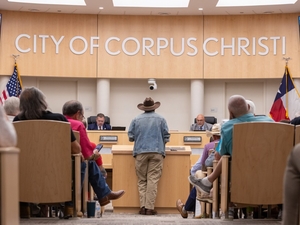
With state energy regulators expected to decide in the coming weeks whether to allow the sale of 13 hydroelectric dams, residents, business owners and conservation advocates made their way to the Michigan Public Service Commission to make their voices heard.
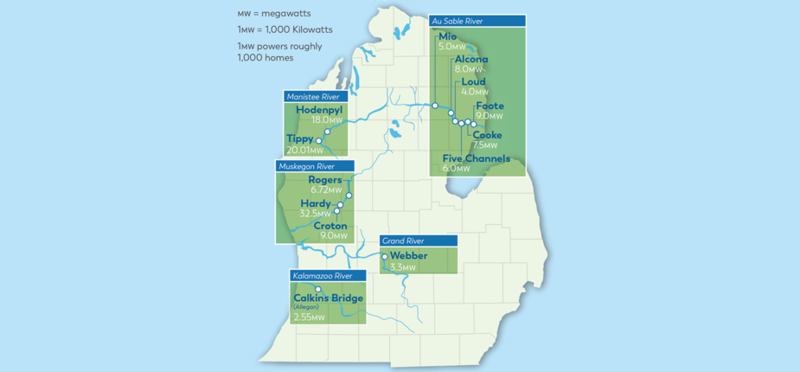
Consumers Energy announced in 2025 that it had secured a buyer for 13 dams built across five rivers between 1906 and 1935. However, the sale cannot move forward without the approval of the Michigan Public Service Commission.
Opponents of the sale have raised concerns about Consumers’ plan to sell the dams to Confluence Hydro, a subsidiary of Hull Street Energy, a Maryland-based private equity firm. They argue that the deal lacks the protections to ensure the dams are operated safely. Supporters argue that if the dams are not sold, they will be decommissioned, bringing changes to local landscapes that could result in lost recreational opportunities and harm to property values.
“If you do not move forward and get this contract signed, Consumers may decide to remove the dams and the economic ramifications and natural devastation would be huge,” said Karen Reese, who lives near Croton Pond, which was created by one of the hydroelectric dams along the Muskegon River.
“The sobering effects on the thousands of people living on and around these dams would be horrific,” Reese told the commission at their Aug. 27 meeting. “Many families have built their lives on these backwaters for over a hundred years. They would lose huge values on their homes and businesses would lose revenue and may have to close their doors.”
Alec Chesley, who lives near the Croton Dam, warned that if the dams are removed, and reservoirs drained, businesses such as campgrounds and marinas could be forced to close.
George Heartwell, the former mayor of Grand Rapids who lives downstream from the Croton Dam, raised concerns about the potential buyer.
“Will my Muskegon River be safe under an unregulated, profit-driven company with no ties to Michigan?” Heartwell said, claiming that Hull Street Energy had created shell corporations as owners of each dam. “Why would you do that? Unless you knew you would be safe bankrupting one or more of those shells and letting Michigan taxpayers pick up the responsibility.”
Michigan Gov. Gretchen Whitmer previously raised concerns about the risks of selling the dams, writing in a letter to the commission that the deal “lacks firm, enforceable protections to ensure the dams will be properly maintained and safely retired when they are no longer economical to operate.”
The deal also does not require Hull Street Energy to cover all future repair, accident, environmental and decommissioning costs or to maintain reserves to cover those expenses, Whitmer said.
While Consumers Energy says it will set aside $270 million to protect Michigan communities in the event of unforeseen safety concerns, Whitmer said the fund is “too little, too late, and too difficult to access – leaving the Fund unable to prevent nearterm safety failures or reliably cover the dams’ enormous long-term costs”
The Michigan Public Service Commission is expected to make a decision on the sale at its Sept. 10 meeting.
Lansing, MI