Data shows 94,000 Virginians have dropped their ACA insurance since last year
Sep 02, 2026 | 5:28 am ET
Description
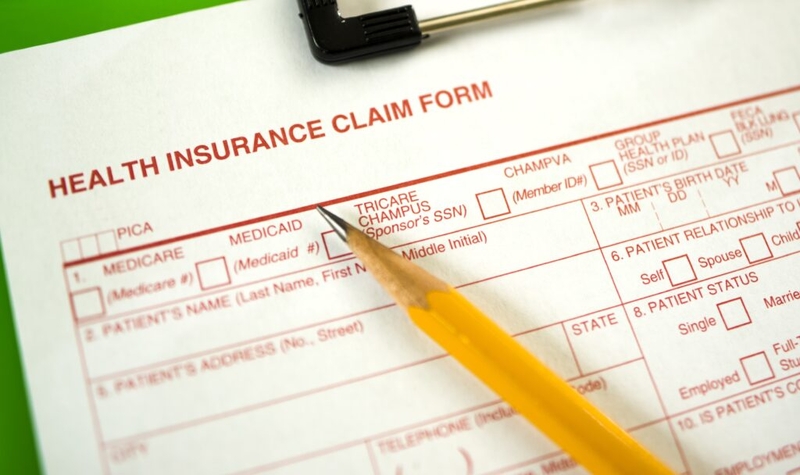
The U.S. House will begin debate in committee this week on a bill that would cut Medicaid spending. (Photo by Getty Images)
Of an estimated 100,000 people whom state health leaders predicted were vulnerable to losing their Affordable Care Act insurance in Virginia, 94,000 have dropped it so far this year, according to new numbers from the State Health Benefit Exchange.
There were 389,000 enrollees in 2025 and 295,000 enrollees as of this week.
The reduction is attributed in part to the expiration of subsidies that had helped expand the ACA marketplace to people whose incomes are further below the federal poverty level. Debate over the issue triggered a government shutdown last year and Congress ultimately elected to let the subsidies lapse.
This spring, when the decline in Virginia ACA enrollees was at 33,000, State Health Benefit Exchange Director Keven Patchett called the reduction the “biggest drop-off in the first quarter that we’ve seen.”
Virginia Association of Health Plans director Doug Gray said at the time if the state could keep the number of people forfeiting their insurance under 100,000, he’d “call that a victory.”
People filter on and off the ACA as their income levels or employment-provided insurance status changes, but Del. Rodney Willet, D-Henrico, surmises the drop offs this year may largely be due to the expired subsidies.
It’s why he and fellow state lawmakers earmarked $150 million in Virginia’s current budget to create a temporary version of the expired assistance to help Virginians between 138% and 250% of the federal poverty level.
Eligible Virginians will be able to tap into that relief when marketplace enrollment opens in November. The state-level subsidies are meant to help offset costs for purchasing insurance in the state exchange and participants could save about 70% on their monthly premiums.
Still, it’s a temporary fix to a long-term challenge, Willett acknowledged. Lawmakers devoted about a third of the state budget to healthcare this year.
“We did the best we could with the budget,” Willett said. “But trying to sustain that for years and years would be tough.”
The reconciliation bill Congress passed last summer includes forthcoming changes to Medicaid eligibility and hospital funding mechanisms.
Of Virginia’s nearly 2 million Medicaid enrollees, more than 500,000 will be subject to new work requirements and additional verification paperwork each year, while about 5,800 lawful immigrants will lose coverage.
Some of these people may be able to explore the state marketplace but others may lose health insurance altogether.
Gov. Abigail Spanberger recently issued an executive order to streamline the work of ensuring eligible Virginians don’t lose coverage
Meanwhile, the pending hospital funding mechanisms may also contribute to potential closure or reduced services for 13 rural hospitals, a state report found. Hospitals predict a $31 billion reduction in the state’s Medicaid funding over the next decade.
As part of negotiations during the reconciliation bill debate, federal lawmakers created the Rural Health Transformation Fund, a $50 billion investment for states over the next five years. Last week, officials announced the disbursement of $122 million of Virginia’s $189 million piece of that pie.
The money can be used to boost initiatives in rural areas to compensate for both longstanding healthcare access issues and potential shortfalls stemming from the reconciliation bill.
“(Those dollars) in no way replace what’s happening with the (Big Beautiful Bill),” Willett said. “They will help around the edges, but this is a multi-billion dollar impact with the Medicaid disruption.”
Richmond, VA