Facing public criticism, Rep. Julie Casimiro resigns
Aug 31, 2026 | 4:02 pm ET

Description
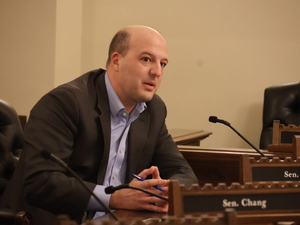
Rep. Julie Casimiro has resigned from her House District 31 seat representing North Kingstown and Exeter after the Rhode Island Office of the Attorney General asked her to explain how she could legally stay in office after moving to South Carolina. (Photo by Alexander Castro/Rhode Island Current)
Rep. Julie Casimiro is ending her final term in office early, confirming in a Monday afternoon email to Rhode Island Attorney General Peter Neronha’s office that she is resigning at the close of the day.
The three-paragraph email, obtained by Rhode Island Current, comes amid mounting pressure for Casimiro to give up her seat — and legislative salary — because she no longer lives in Rhode Island. Casimiro, formerly of North Kingstown, moved to Hardeeville, South Carolina, as of July 1, as first reported by the Boston Globe. The 64-year-old Democratic lawmaker had already announced she would not seek reelection to the District 31 seat representing North Kingstown and Exeter after 10 years in office.
But she intended to serve out her fifth and final term to its completion, refusing to cave to calls to resign, including from House Speaker Christopher Blazejewski. Although state lawmakers only meet for the first six months of the year, their taxpayer-funded salary is spread across the entire calendar year. Casimiro was earning $800 every two weeks, plus health insurance, under the $20,922 annual salary for rank-and-file lawmakers.
“I would have preferred to quietly exit Rhode Island politics, but it seems as though that didn’t happen,” Casimiro wrote in the email.
Critics, including Neronha, cited the state constitutional qualifications for elected officeholders, which include state residency, as reason why Casimiro could no longer keep her seat. A separate section of state law also defines residency as a “fixed and established domicile,” determined by a “factual physical presence in the voting district on a regular basis incorporating an intention to reside for an indefinite period.”
Neronha cited both sections of state law in an email to Casimiro Friday. He did not call on her to resign, but asked for a written explanation of how she met the state legal requirements to remain in office while living in South Carolina.
“This Office is currently reviewing the applicable laws and facts to determine what, if any, legal action may be necessary under these circumstances,” Neronha wrote, giving Casimiro until the end of the day on Tuesday, Sept. 1, to respond.
Neronha also wrote in a social media post on Friday that he would advise Casimiro to resign.
Casimiro still insisted she was legally allowed to keep her seat, citing conversations with two unnamed “very qualified attorneys” who said she was eligible to serve, according to her email.
“But I am choosing not to as all of this political theatre is taking away from all of the good work I have done for children and families,” Casimiro wrote.
The former deputy majority leader and chair of the House Committee on Oversight’s children and families subcommittee, Casimiro championed stronger protections and support for children in the state care, as well as those with behavioral health needs and special education students.
“Representative Casimiro always strived to improve the lives of those in her district and the entire state, especially vulnerable children and families,” Blazejewski said in an emailed statement Monday. “She is a tireless advocate for children in foster care, for families struggling to access health care, and for students striving for better public education. She will be deeply missed by her colleagues, and on behalf of the House of Representatives, we wish her well in her retirement and thank her for her service to the state for the past decade.”
There will be no special election, since Casimiro’s resignation comes too close to the next regular election for her seat, under state law.
Three Democrats are vying for the open seat in the Sept. 9 primary. The winner will be unopposed in the Nov. 3 general election.
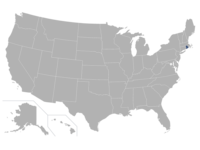
Providence, RI