With regulations approved, freestanding birth centers near a reality in Kentucky
Aug 28, 2026 | 5:30 am ET

Description
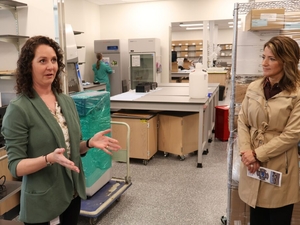
Mary Kathryn DeLodder, the director of the Kentucky Birth Coalition who has long advocated for more birthing options in the state, speaks about freestanding birth centers on Thursday, August 27, 2026. (Kentucky Lantern photo by Sarah Ladd)
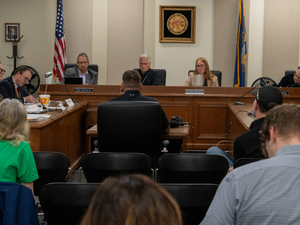
LOUISVILLE — After more than half a decade of advocacy, supporters of freestanding birth centers celebrated Thursday as a legislative committee approved regulations — essentially, the details — for how the centers will now be able to open and run.
Mary Kathryn DeLodder, the director of the Kentucky Birth Coalition who has long advocated for more birthing options in the state, doesn’t have a timeline yet on when Kentucky may have its first center, but said she’s already heard from several people interested in opening them.
The regulations — which had to be brought up to date since no freestanding birthing center has operated in Kentucky in decades — are “going to really allow for birth centers to come into the modern times and operate in the commonwealth,” DeLodder said.
“I’m excited for Kentucky families that are experiencing low risk low risk pregnancies to have access to freestanding birth centers as another maternity care option,” she said, “and I’m also thankful for the hospitals that will be working cooperatively with these centers to continue to serve mothers and babies who have more complex needs.”
Freestanding birth centers are closing as maternity care gaps grow
In 2025 the legislature paved the way for freestanding birth centers to open in Kentucky after years of debate over the merits and safety of the centers, which are home-like facilities aimed toward low-risk pregnancies.
The key hurdle that long blocked the centers from opening in Kentucky — which was removed by the 2025 law — was the state’s requirement that they obtain a certificate of need, which is a process that attempts to certify that there is a need for a service, be that extra beds in a hospital, an extra MRI machine or a new facility altogether.
Kentucky, meanwhile, has poor statistics around maternity care: Too many babies are born preterm and the rate of mothers dying in and around childbirth is higher than the national average, to name a few.
DeLodder said while freestanding birthing centers can’t solve all of these problems, “it will help to have more options” for the parents in Kentucky who want them.
And the demand has long been there. The Lantern has reported through the years that hundreds of Kentuckians travel out of state in order to give birth at freestanding birth centers.
“We know people want this because they are willing to go out of state. But if you live multiple hours away in the middle of Kentucky, then crossing the state line to go to a freestanding center isn’t an option,” she said. “Because we’ve seen the advocates and families stick with this initiative and push it for six years, I think that shows the dedication that people have to wanting to see this happen.”
Rep. Jason Nemes, who for years fought to make freestanding birth centers a reality in Kentucky, said the state is “in the right spot … for Kentucky families, and most importantly, for mothers and babies.”
“This,” he said, “has been a long day coming.”
Maternity care in Kentucky
Frankfort