Photo essay: Communities embrace fire to protect against out-of-control blazes
Aug 27, 2026 | 5:02 am ET
Description
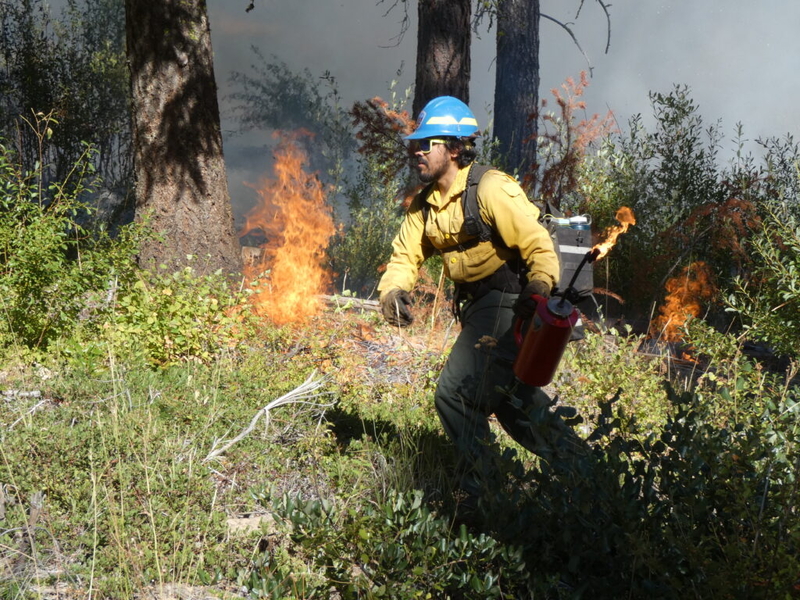
A crew member ignites a forested area with a drip torch as part of a prescribed burn near the town of Roslyn, Washington. (Photo by Alex Brown/Stateline)
Story and photos by Alex Brown
ROSLYN, Wash. — In less than an hour, this hillside will be ablaze — sparks flying, smoke swirling, the forest floor turning into a black carpet.
That’s all part of the plan.
Here in the small town of Roslyn, Washington, local leaders have embraced prescribed burns as a tool to protect their community from wildfires. They’re part of a growing effort across the West to empower residents to lead burns on private lands.
A century of fire suppression policy has left many forests dense with trees, shrubs, fallen limbs and needles — kindling that can fuel out-of-control megafires. Low-intensity burns conducted under the right conditions can clear out those fuels, sparing mature trees and creating habitat for wildlife.
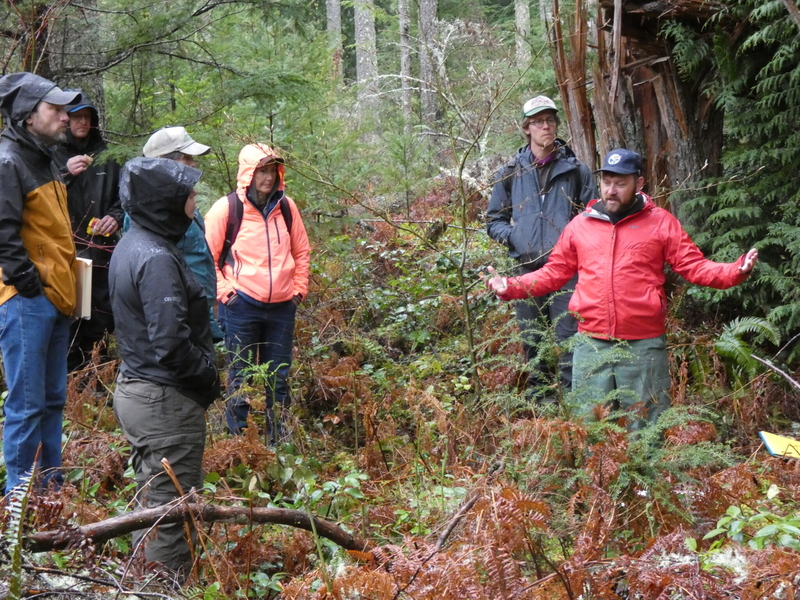
After years of reporting on wildfires, along with several personal brushes with fire as an outdoor enthusiast in the West, Stateline reporter Alex Brown joined Washington state’s burn manager boot camp in 2024 as a way to learn more about fire’s role on the landscape. The course covered everything from the moisture levels in different forest plants to federal clean air regulations related to smoke dispersal.
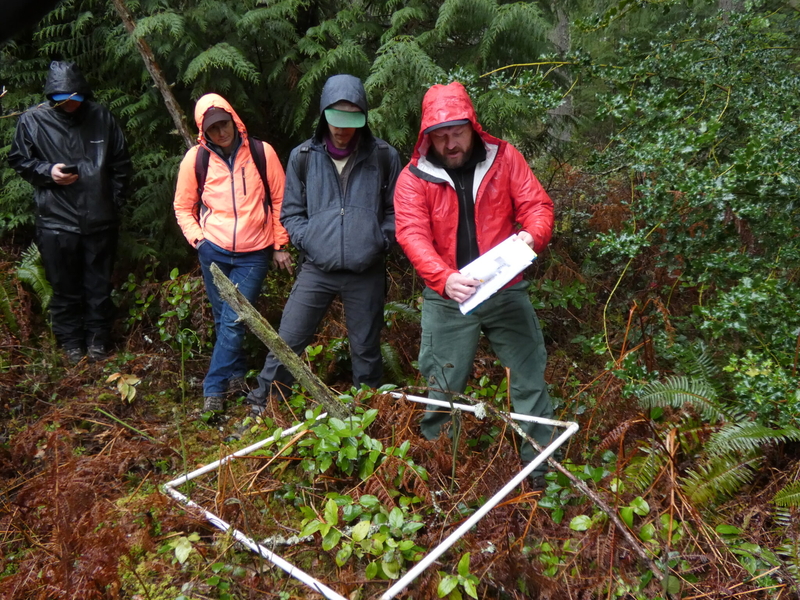
After passing the test at the end of the training class, Brown joined crews assembled to burn a 55-acre parcel laid out by local leaders near Roslyn. It brought together 30 people from multiple fire districts, covering half a dozen organizations.
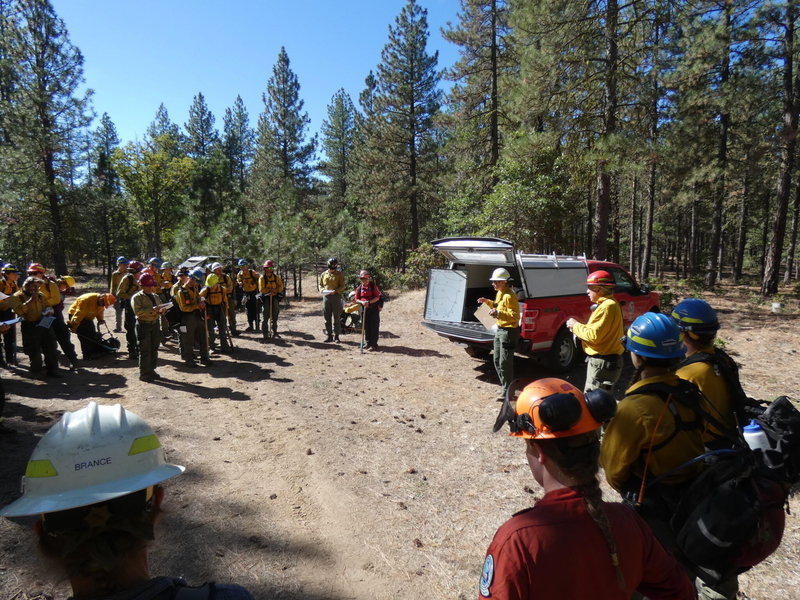
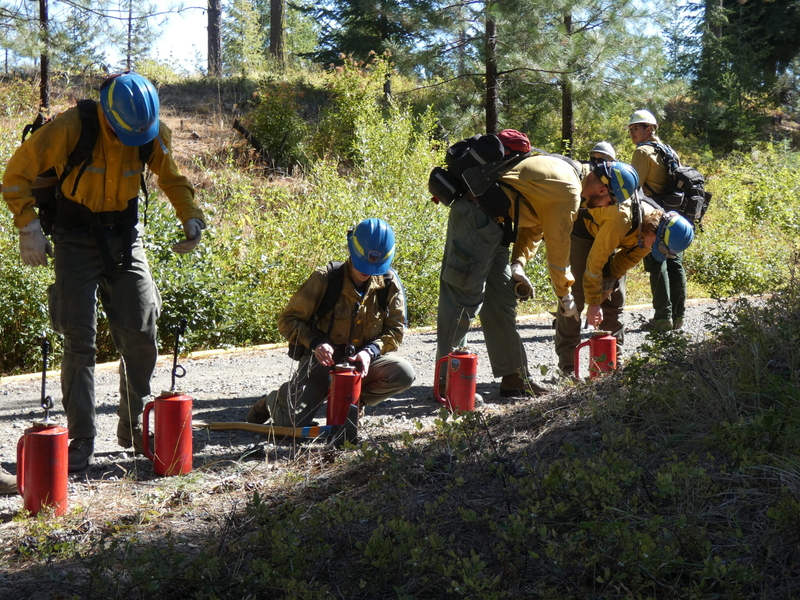
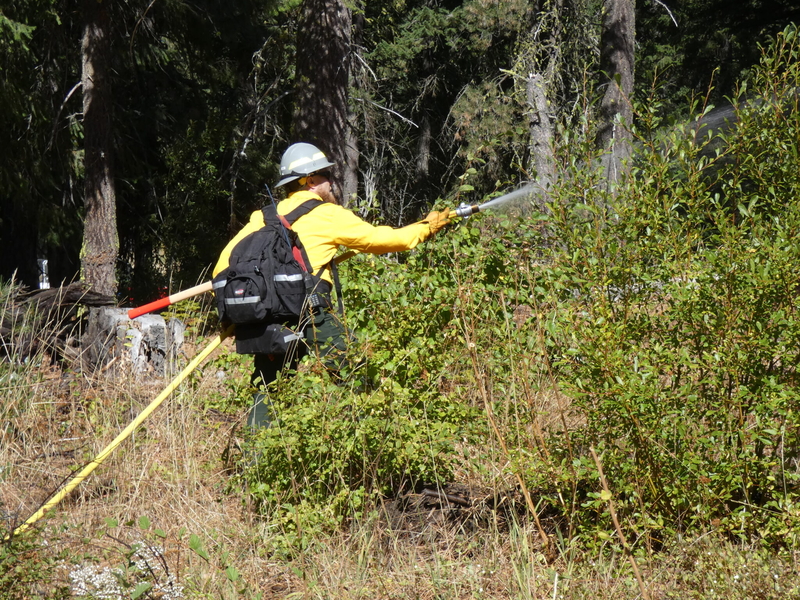
After the team’s weather reporter gave the all-clear, a crew of igniters set a “backing fire,” a preliminary burn that crept slowly against the wind, establishing a black strip between the forest and a dirt road.
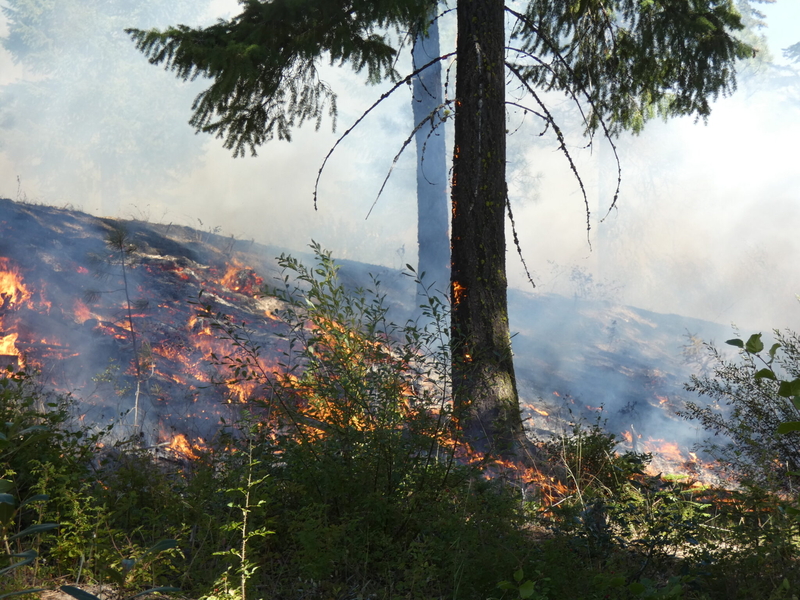
By burning the edge of the parcel in advance, the crews created a wider containment line, eliminating the fuels that might allow the fire to spread across the road. Once the “black line” was established, teams fanned out on the hillside to begin the primary burn.
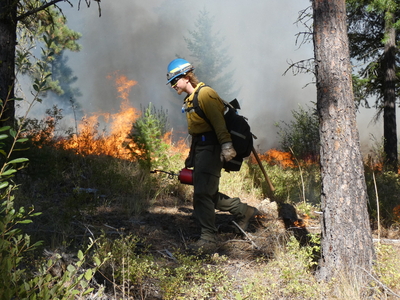
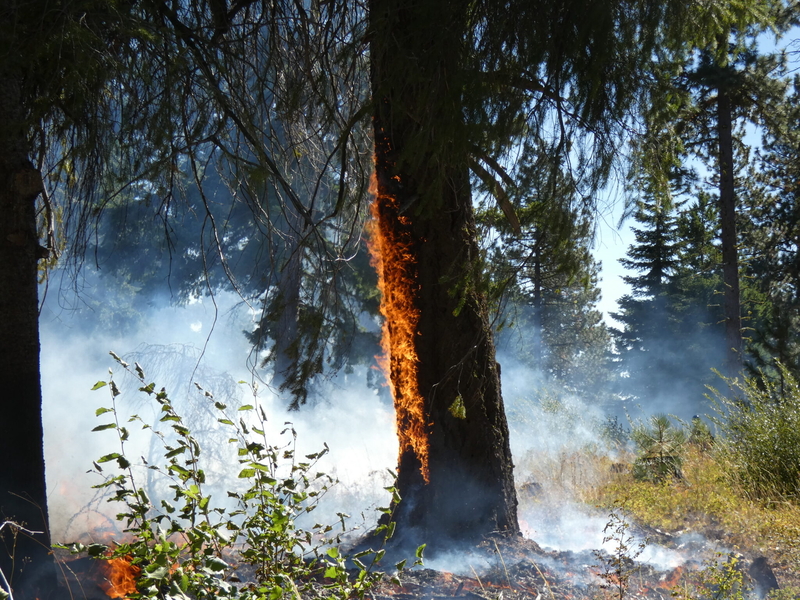
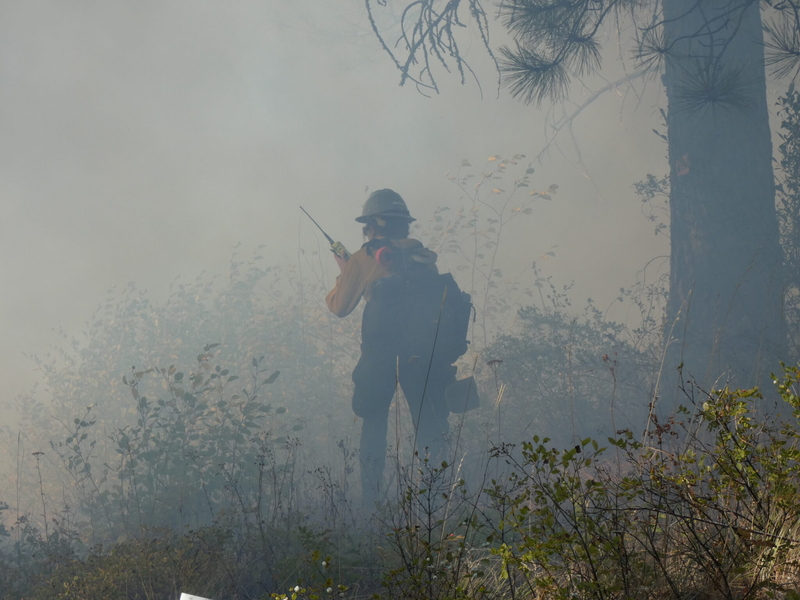
Team leaders stayed in contact over the radio, and some crews positioned uphill put out spot fires caused by falling embers in another area of the forest. By the end of the afternoon, the fire had spread across the parcel, burning shrubs and plants but leaving most of the mature trees unscathed.
A few dozen acres at a time, Roslyn leaders are aiming to create a semicircle around the town that will give them a safe place to make a stand if another wildfire approaches.
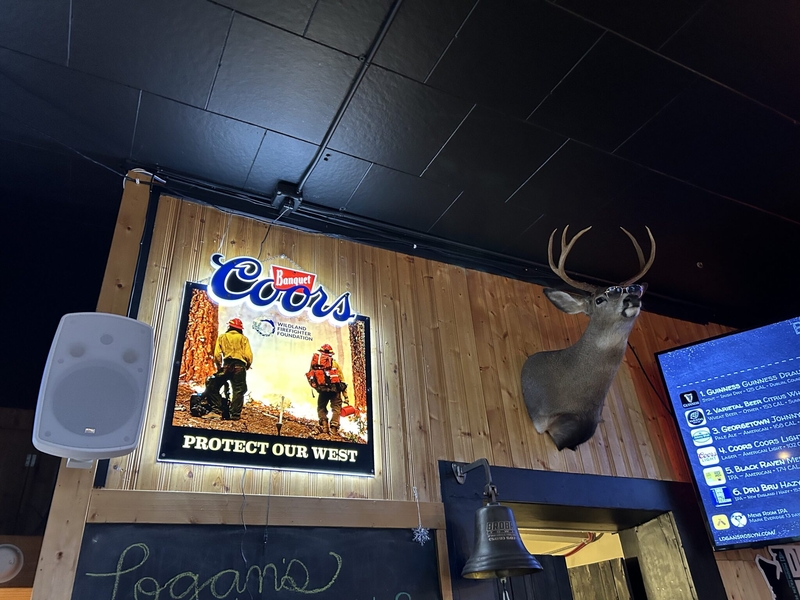
Back in town, life went on as usual as a column of smoke floated over the nearby hillside.
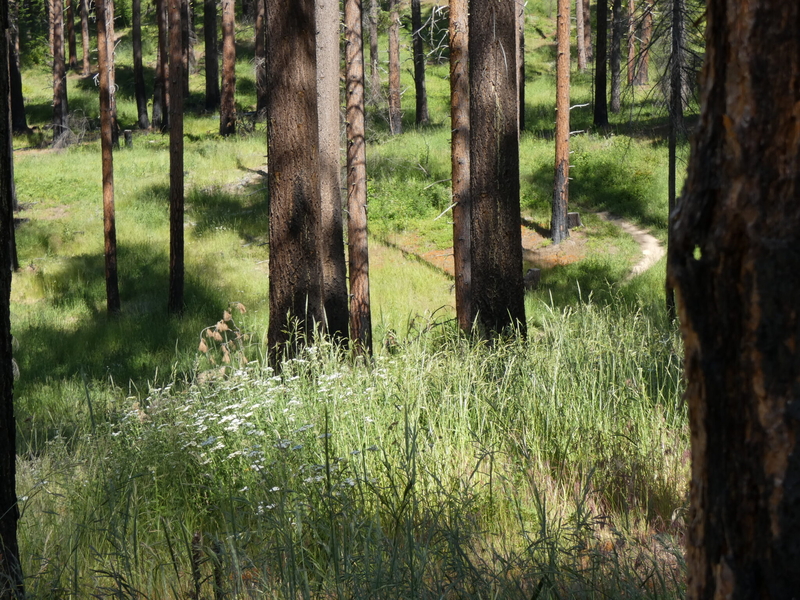
Local leaders say the forest is thriving in the areas where they’ve burned. Mature trees, scarred black but still growing, tower over a forest floor that is open and green once again.
Roslyn has even turned the burned area into a tourist attraction, recently opening a Forest Resilience Trail that showcases the landscape restored by fire.
After witnessing the burn in Roslyn, Brown joined a TREX, or training exchange burn, that brought together fire crews from around the world. Held in Southwest Washington, the burn allowed participants to build contacts in the fire community and try new roles for the first time.
The event was hosted by the Mt. Adams Prescribed Burn Association. State leaders say such grassroots organizations are taking the lead on bringing fire to private lands — bringing together local organizations to build resources, manpower and public buy-in.
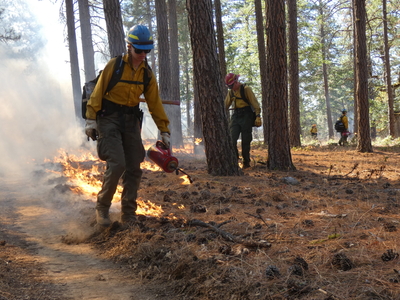
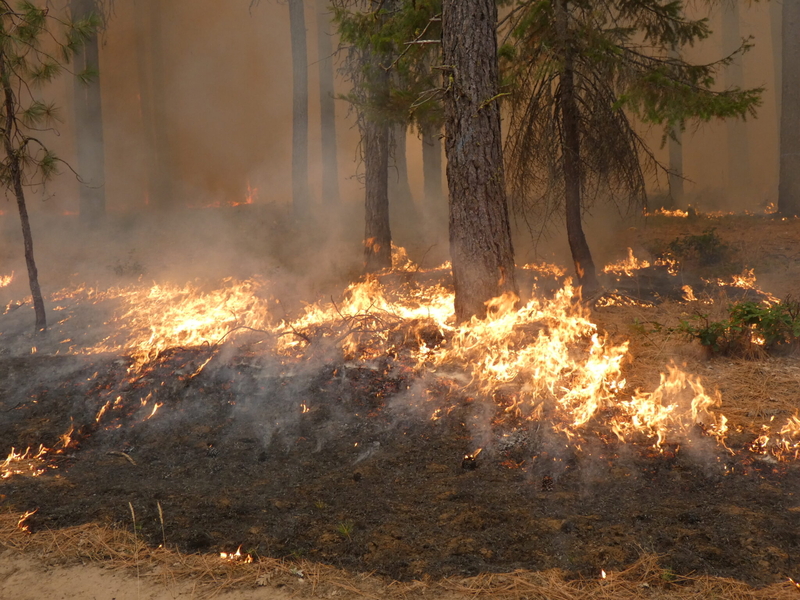
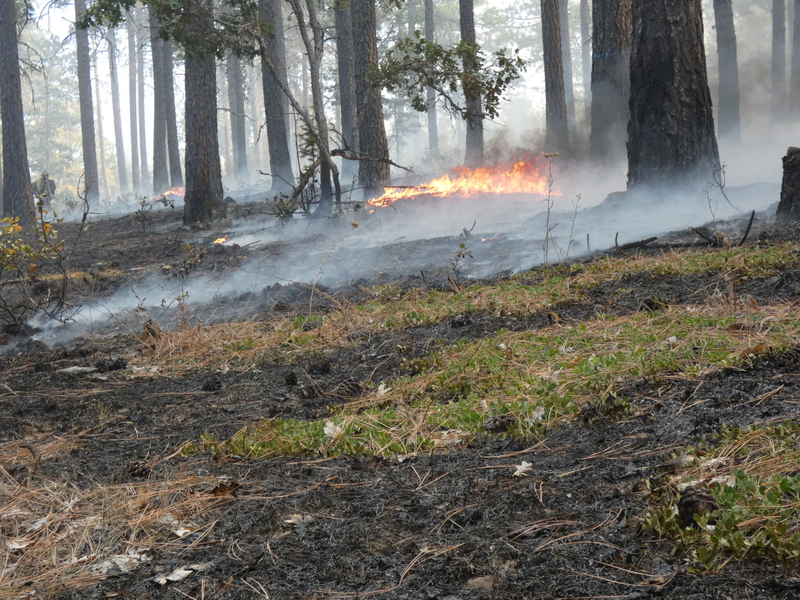
The burn cleared underbrush and vegetation from the forest floor. Experts say regular, low-intensity fires such as this reduce “ladder fuels” that can spread flames into tree canopies and create out-of-control blazes.
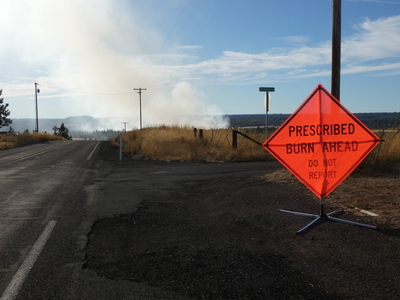
Burn leaders face strict air quality regulations designed to protect communities from smoke.
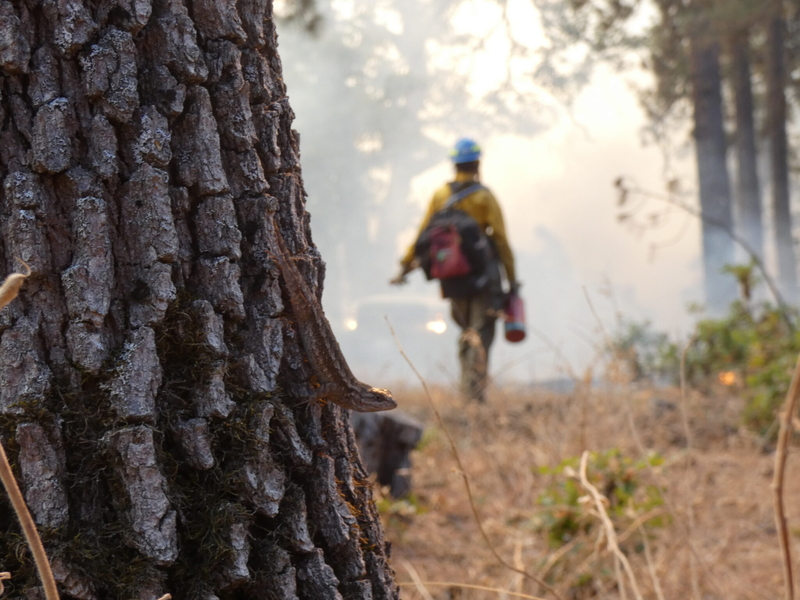
Among other challenges, burn leaders say prescribed fires not only protect communities, but also renew habitats where fire has long had a regular presence. Burning, they say, is an act of creation rather than destruction.
Editor’s note: This is one of three stories examining efforts to use prescribed burns to fight fire with fire. Read the other parts here and here. Stateline reporter Alex Brown can be reached at [email protected].