Big Island Is Activating A New Temporary Disaster Program
Aug 24, 2026 | 6:01 am ET
Description
Photo courtesy of Honolulu Civil Beat
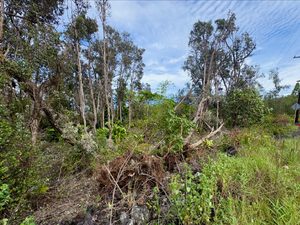
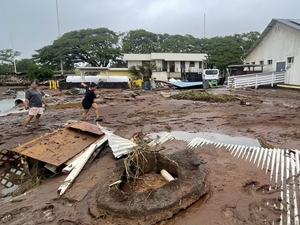
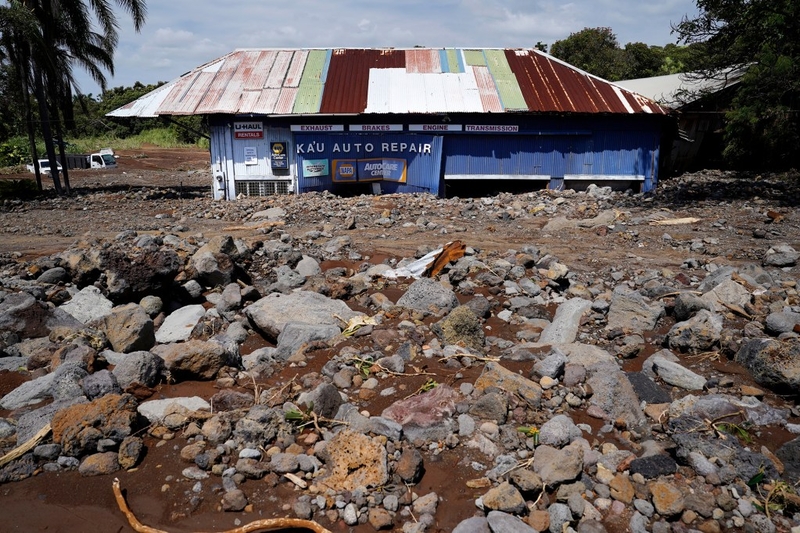
In the last decade, volcanic eruptions, earthquakes, deadly pandemics and now a hurricane have rocked the island of Hawaiʻi. Yet, until last month, the county didn’t have a formal plan to guide recovery after disasters.
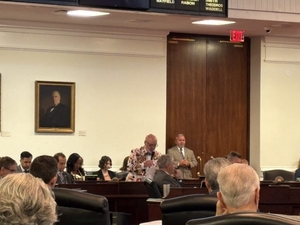
In July, the Hawaiʻi County Council passed Bill 157. Authored by Puna council member Ashley Kierkiewicz, the ordinance directs the mayor to establish a temporary disaster recovery program after disasters and appoint someone to lead it. The appointed director would be charged with creating a plan for short-term and long-term recovery, which would need approval from the county council.
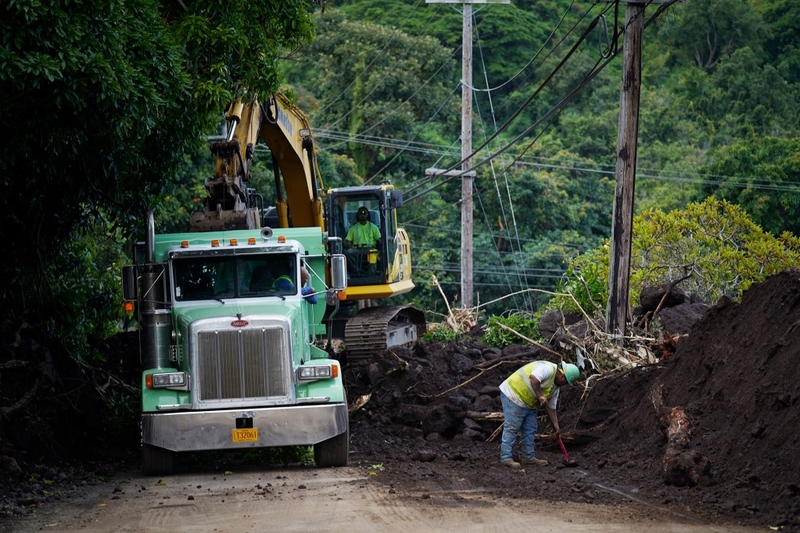
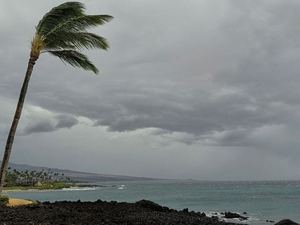
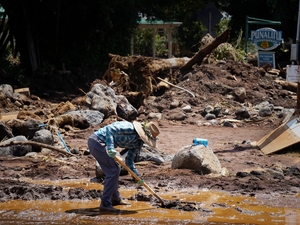
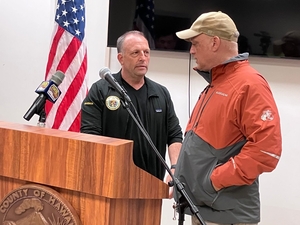
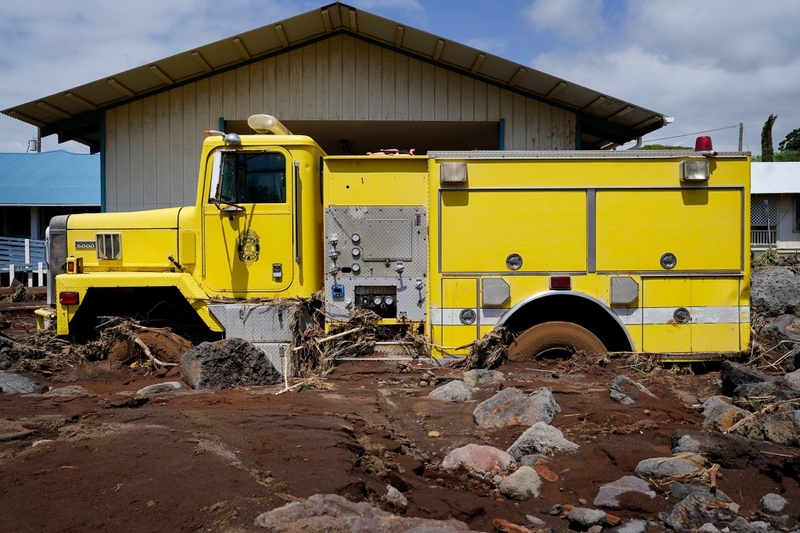
On Sunday, a spokesperson for Mayor Kimo Alameda said Alameda had plans to appoint a recovery officer, a week after Hurricane Lala devastated Kaʻū and Tropical Storm Moke prompted another round of warnings as it passed south of the island over the weekend. The mayor's office did not respond to further questions about the program.
In a statement, Alameda said, "Our main focus remains addressing the immediate needs of the community, including access to food, water and other essential resources. While we are still conducting response and relief efforts, our human services branch has begun the planning process to establish disaster recovery centers in coordination with community partners. These centers will help our residents access recovery resources, including any federal or state assistance that may become available."
Disaster Playbook
Hurricane Lala could increase calls for more than a temporary plan. Before it hit, the county had been taking stock of its response to previous disasters and the county council recognized the government needed a better way to guide recovery.
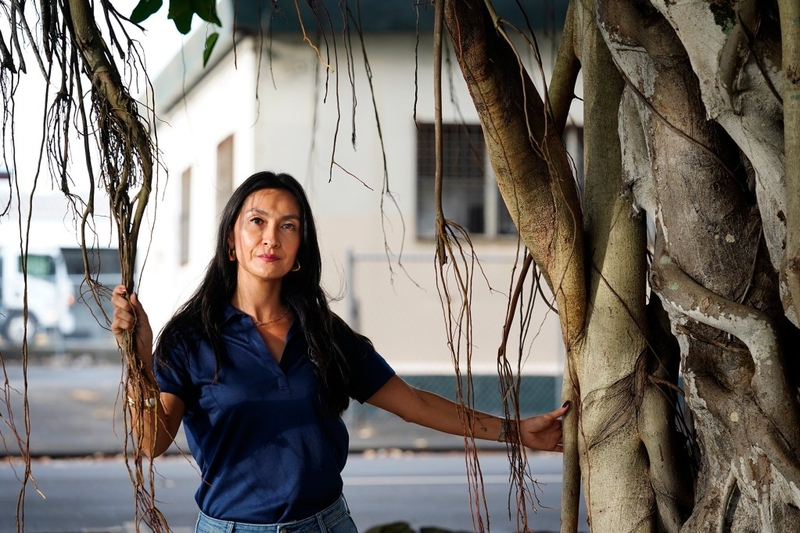
After the 2018 eruption of Kilauea destroyed parts of Puna, the county’s response was too slow and entirely improvised, Kierkiewicz said.
“The county needs to do a better job of coordinating its team and working with the community,” she said.
A playbook to respond to the next disaster and a dedicated team to carry out a plan were necessary, Kierkiewicz said. Departments were already stretched thin before the 2018 eruption, she added, then staff were asked to help with recovery.
“They didn't have the time, in my opinion, to move forward in a way that the community needed it to. And that's a very painful lesson to learn,” she said. “Why make that mistake twice?”
Under the new ordinance, the mayor-appointed disaster recovery officer could appoint their own staff, as well as collaborate with existing departments. The disaster recovery program and director would deactivate once recovery funds are spent and the mayor decides it's not needed anymore, according to the law’s text.
During a council committee meeting in May, however, former administrator of the Hawaiʻi County Civil Defense Agency, Talmadge Magno, was already advocating for the disaster recovery officer to be a permanent position.
“It should be a civil service permanent position,” Magno said. “That recovery officer can function within Civil Defense all the time with additional roles of mitigation, because mitigation and recovery are tied together.”
The recovery process, he said, starts as soon as the disaster hits and the county begins disaster damage assessments.
If an officer is already working, recovery is “more dictated by the event itself than somebody saying, oh, let's activate the recovery officer,” Magno said.
Alameda announced Aug. 14, as Hurricane Lala approached the islands, that he was hiring Darryl Oliveira as acting administrator for the Hawaiʻi County Civil Defense Agency, effective Aug. 17.
Oliveira led the agency from 2013 to 2016 and served nine years as fire chief, the news release says. He is to lead the agency while the county hires a permanent replacement for Magno, who retired Aug. 1, the release says.
Honolulu is the only county with a permanent disaster-recovery program manager and long-term recovery plan. Honolulu’s plan is a nearly 200-page document that offers a framework that guides the county's response to disasters.
The plan allows the county to be ready to respond to disaster quickly, said Kealoha Fox, executive director and chief resilience officer of the department that oversees the disaster recovery program.
“We accept the fact that climate change is already occurring. So these hazards are only going to increase,” Fox said. “To have a long-term disaster recovery plan and to have those efforts already established, we are already a couple of steps ahead.”
Community Resilience
When Civil Beat spoke to Kierkiewicz in July, she said a permanent disaster recovery position or program wasn’t necessary.
She said the council should avoid creating additional bureaucracy "at all costs and spending money we don't have.”
Kierkiewicz said she didn’t want to create a detailed document like Honolulu’s either. The county needs to be flexible, she said, to adapt to unique disasters and communities.
“Government often has this template that just doesn't work for all communities,” she said.
Each district on the island and each disaster is different, Kierkiewicz said, and will require different responses, different plans and different leaders to direct recovery.
“I don't want there to be like a complacency that falls on this individual for having been in county for a while,” Kierkiewicz said. “You want somebody that is the right fit for that particular disaster.”
But after Hurricane Lala devastated the island, Kierkiewicz has begun to change her tune.
A permanent resilience officer who focuses on planning and preparing for disaster could be beneficial, she said. The Office of Sustainability, Climate, Equity, and Resilience is a place where that function could reside, she added.
“I think the idea of having a temporary recovery officer per disaster makes sense,” she said this week. “Should we have somebody's role to be a resilience officer within the county? Yeah, that's possible.”
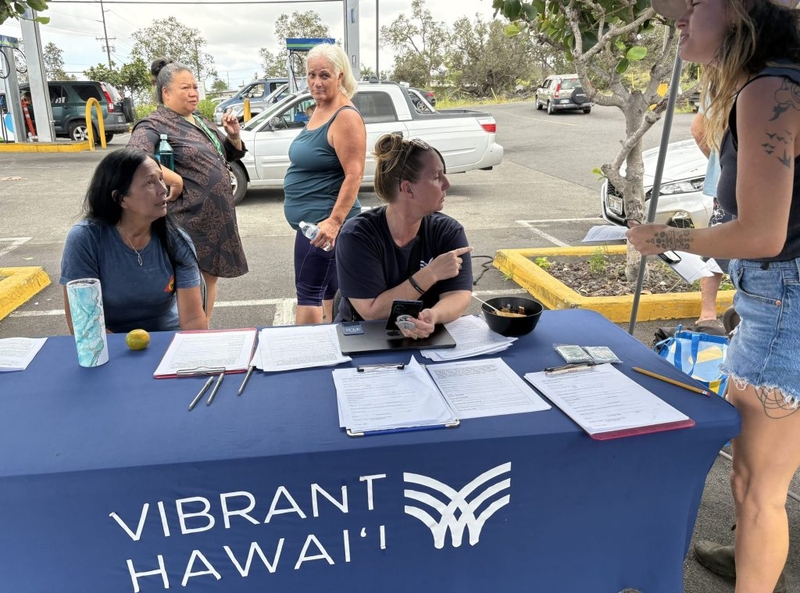
But she also worries about solely relying on the government to respond to and recover from a disaster. Kierkiewicz co-founded Vibrant Hawaiʻi, a resilience hub network that was quick to provide on-the-ground aid following Hurricane Lala.
The organization's rapid response was possible because of the relationships it has built and maintained within the community since it was created eight years ago, Kierkiewicz said. Vibrant Hawaiʻi relies on community leaders familiar with the unique differences of each district, she said.
The county’s disaster recovery program should support the community, she added, not tell it what it needs.
“Don't take away the community's ability to organize itself. Yes, work in partnership with government,” she said. “But let's not rely on government to be like the sole keeper of all that information.”
Honolulu, HI