Pa. Attorney General Sunday urges Congress to preserve ban on hemp product
Aug 07, 2026 | 4:51 pm ET
Description
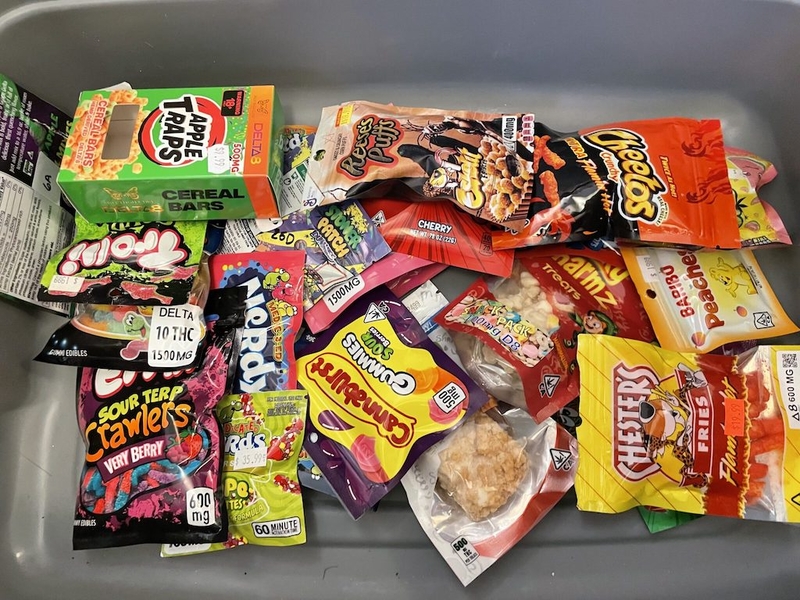
A bin of THC edible products from Virginia stores is displayed by the state attorney general. While states continue to expand access to legal marijuana, a separate market of hemp-derived intoxicants has blossomed. (Photo by Graham Moomaw/Virginia Mercury)
Pennsylvania Attorney General Dave Sunday and a group of 34 bipartisan attorneys general signed a letter to Congress asking them to preserve a ban on intoxicating hemp products.
The ban was scheduled to go into effect November 12.
“Pennsylvanians have a right to know what they’re buying and confidence that products with intoxicating effects are being sold responsibly and not marketed to children,” Sunday said in a statement. “Closing these loopholes, and ensuring they stay closed, protects consumers, supports businesses that follow the law, and makes it harder for intoxicating products to end up in the hands of children.”
The letter was addressed to U.S. House Speaker Mike Johnson (R-La.), U.S. Senate Majority Leader John Thune (R-S.D.) and the chairs of the House and Senate appropriations committees.
The availability of intoxicating hemp products, which are sold in gas stations and head shops across Pennsylvania and America, was the byproduct of the 2018 Farm Bill, which redefined hemp in an attempt to allow farmers to more easily grow the crop. The bill allowed the plants to be processed into products containing intoxicating products like delta-8 THC.
The so-called Hemp loophole was closed by Congress through a funding bill in November 2025, set to go into effect a year later.
The move comes as the Trump White House has reportedly lobbied senators to delay a ban on intoxicating hemp as they negotiate a spending bill for federal agencies.
“If the loophole is reopened or the new definition is weakened or repealed, States will face renewed litigation, inconsistent enforcement, regulatory uncertainty, increased youth access to intoxicating products, and disruption of lawful businesses that have already adjusted their operations to comply with the new federal framework,” the letter read.
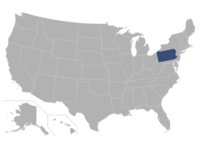
Harrisburg, PA