Deadly bacteria lurks in Louisiana’s coastal waters, health officials warn
Aug 06, 2026 | 4:04 pm ET
Description
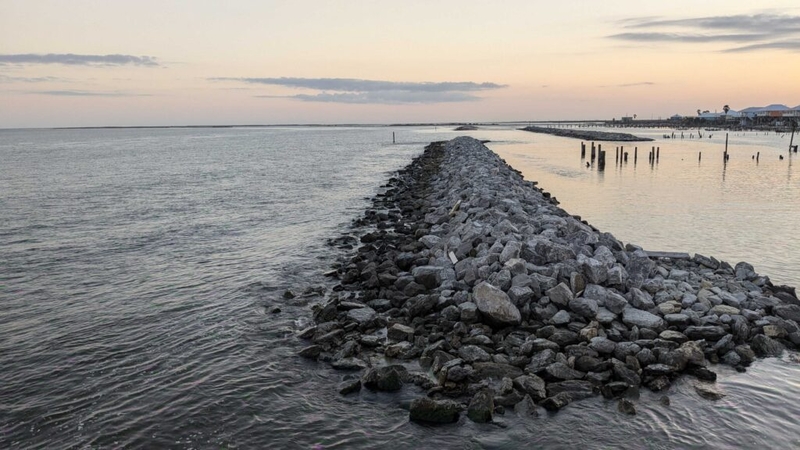
The view of the Gulf of Mexico from a fishing pier outside Grand Isle (Photo by Julie O'Donoghue/Louisiana Illuminator)
The Louisiana Department of Health is warning residents to take precautions against a potentially fatal bacteria found in warm coastal waters that has killed five people this year.
Vibrio vulnificus exists naturally along the Louisiana coast and has infected nine people this year, according to state health officials. The five vibrio-related deaths this year is a significant increase from the single fatality reported over the previous decade.
The health department said the cases all stemmed from individuals with exposed open wounds immersed in vibrio-infected seawater and who had underlying health conditions. Infection can also occur when people eat raw or undercooked seafood, particularly oysters.
Signs of vibrio wound infection include fever, redness, pain, swelling or warmth around the wound, skin discoloration, drainage or discharge. Those experiencing symptoms after exposure to contaminated brackish water or saltwater should seek medical attention and alert their doctor to their exposure.
According to the Department of Health, the risk of severe complications is highest among people with liver disease, cancer, diabetes, HIV or thalassemia. Those who receive immunity-suppressing treatment, take medicine that reduce stomach acid or have recently undergone stomach surgery are also at higher risk.
People can reduce their risk by avoiding brackish waters or saltwater if they have an open wound or piercing. They should cover their wounds if they could come into contact potentially water-borne vibrio or raw seafood and wash wounds after a possible exposure.
With seafood, vibrio exposure risk can be reduced by cooking it thoroughly, washing hands after handling seafood and keeping cooked items separate from raw seafood.
The health department also advises those in a high-risk group to wear protective clothing and footwear to prevent cuts while in coastal water and to wear gloves when handling raw seafood.
Baton Rouge, LA