Former Holy Cross Hospital CEO Kevin Sexton tapped to lead HSCRC
Aug 06, 2026 | 6:00 am ET
Description
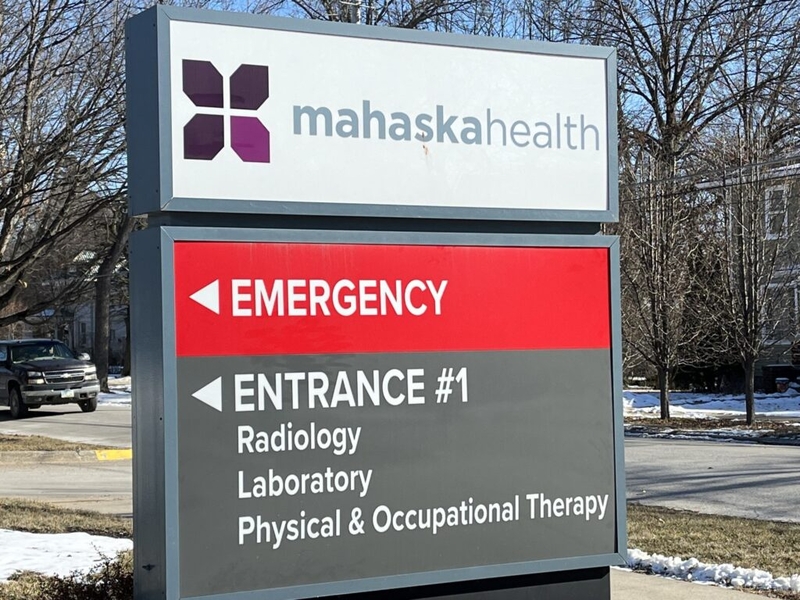
A sign outside an Iowa hospital. Health officials in Maryland were optimistic about the selection of Kevin Sexton to run the state's Health Services Cost Review Commission as it prepares to launch a new model of rate setting for hospitals in the state. (Photo by Cecilia Lynch/USDA)
Kevin Sexton, former president and CEO of Holy Cross Health hospitals, has been tapped to chair a powerful state commission charged with setting hospital rates in Maryland, the Moore administration announced Thursday.
Sexton’s nomination comes at a critical time for the Health Services Cost Review Commission, as it prepares to implement a new rate-setting model that will limit some of the state’s authority to regulate hospital prices, a new model that has taken two years of negotiations between two federal administrations.
“Kevin brings the strong leadership abilities, effective communication skills, and expertise needed to successfully empower our communities to achieve health and well-being at this transformative time for healthcare in Maryland,” Gov. Wes Moore (D) said in a statement announcing the appointment.
Sexton, whose appointment still needs Senate approval, will serve as an interim appointee until the legislature convenes in January. He has been nominated to a four-year term, replacing former Chair Joshua Sharfstein, who stepped down in July after serving a single term.

“I look forward to working with my fellow commissioners, our dedicated staff, and all of our stakeholders to manage this transition and move forward in a way that benefits all Marylanders,” Sexton said in a written statement Thursday.
Fortunately, he’s already familiar with the often complex and intricate policy decisions at the HSCRC. Sexton was first appointed to the commission back in 2003 and moved up to become vice chair in 2005, where he served for six years.
He also served from 1998 to 2018 as president and CEO of Holy Cross Hospital, with facilities in Silver Spring, Gaithersburg, Germantown and other locations. During his time at Holy Cross, he “oversaw a strategic restructuring that established the Holy Cross Health Network, managing community health centers and prenatal care facilities for the uninsured,” according to a press release from the governor’s office.
Emily Holliman, regional president for Kaiser Permanente of the Mid-Atlantic States, called Sexton a “highly respected and trusted leader in Maryland’s health care community.”
“Throughout his tenure at Holy Cross Hospital, Kevin demonstrated an unwavering commitment to the communities he served and a strong dedication to collaboration and innovation that advanced access, quality, and care delivery,” she said in a written statement.
In 2019, Sexton joined the Primary Care Coalition, which advocates for a stronger primary care network in Maryland. In 2024, he was selected to chair the coalition’s board of directors.
Representatives and advocates from various arms of the healthcare industry said Sexton’s experience will be crucial as the state builds a new hospital rate-setting system.
“Kevin has a deep understanding of Maryland’s healthcare system and has consistently demonstrated a collaborative approach that values the perspectives of physicians and other stakeholders,” said Gene Ransom, CEO of MedChi, the Maryland State Medical Society. “We look forward to working with Chairman Sexton to continue advancing high-quality, patient-centered healthcare across Maryland.”
His main challenge as the new chair will be leading the HSCRC as it moves to a new hospital rate-setting model that will limit the state’s ability to set Medicare costs, an authority it’s had for more than 40 years.
The previous model, called the Total Cost of Care, expired at the end of 2025, leading into the Achieving Healthcare Efficiency through Accountable Design system, also called the AHEAD model.
The Total Cost of Care system gave Maryland officials authority to regulate hospital costs across all payers in the system, which include private insurance, Medicaid and Medicare. The Health Service Cost Review Commission determines those rates.
State officials had signed an agreement in 2024 with the Biden administration that would have largely kept the state’s authority to regulate all payers intact. But the Trump administration decided early last year to renegotiate the terms of that agreement.
The final version of the AHEAD model will remove the state’s authority to set rates in 2028 while emphasizing improvements in community health and competition in Maryland’s healthcare system, among other priorities.
The AHEAD model also aims to improve overall population health in Maryland by strengthening the state’s primary care system to prevent illnesses and catch health issues early.
Sexton’s background makes for a “well-rounded” candidate to lead the commission once more, according to Melony G. Griffith, president and CEO of the Maryland Hospital Association, in a written statement.
Matthew Celentano, executive director for the League of Life & Health Insurers of Maryland, agreed.
“As we embark on the next phase of AHEAD model implementation, affordability for Maryland consumers must stay at the forefront of all health care discussions, and Kevin is the right person to lead that effort,” Celentano said.

Annapolis, MD