As prediction markets grow, CT comptroller warns of ‘dark side’
Aug 05, 2026 | 10:47 am ET

Description
Photo courtesy of CT Mirror
The rapid rise of prediction markets has kicked off a wave of regulation in states across the country. The platforms are also driving deeper concerns about their potential economic impact, according to an analysis released this week by Connecticut officials.
In its latest monthly economic update, the office of the state comptroller dedicated a section to prediction markets, online platforms that allow users to buy and sell contracts guessing the outcome of future events.
These platforms — which include Kalshi, Polymarket US, and smaller ones like ProphetX and Crypto.com — are rapidly gaining popularity, enabling people to buy contracts on everything from the outcome of dating shows to the results of local elections and the winners of sports events.
As consumer use of the platforms has become increasingly common in Connecticut, Comptroller Sean Scanlon said he wanted to examine the role that plays in “shaping our daily life and economy.”
The report offers a short overview and basic primer on prediction markets, explaining how the markets work and their growth in recent years. It also points to a “dark side” of their rapid growth: a rise in gambling addictions among young men; marketing to people under 21; and the prevalence of insider trading.
The study comes as state officials weigh regulation. Some lawmakers say the platforms are circumventing state gambling laws, particularly laws prohibiting those under 21 from gambling.
The platforms have pushed back, arguing they’re entirely different from gambling, operating instead more like stocks. Not only are they legal, but regulation should fall only to the federal government, more specifically the Commodity Futures Trading Commission, the platforms argue.
This tension is leading to a wave of litigation over the matter, including in Connecticut, which called for prediction market platforms to cease unlicensed online gambling operations in the state last year.
The comptroller’s report notes that as questions over the legality continue, and as state and federal lawmakers call for legislation to regulate their activity, people should understand how the markets affect Connecticut’s economy.
Prediction markets are growing rapidly—but they come with drawbacks
While prediction markets have existed for decades, the latest iteration popularized by platforms like Kalshi, Polymarket and Robinhood are operating in ways that are less regulated and broader in impact.
The spread of prediction markets in sports is of particular concern to the state, which has closely regulated its own sports betting market. Connecticut legalized online gambling and sports betting five years ago. Under the 2021 law, businesses involved in sports betting must be licensed with the state and follow state regulations.
Only three organizations are allowed to operate online gaming in Connecticut, including FanDuel (through a partnership with Mohegan Sun), Draft Kings (which is affiliated with Foxwoods Casino) and Fanatics (which works with the Connecticut Lottery).
Prediction market platforms, state officials argue, are violating state law by continuing to operate in Connecticut.
Last December, the Department of Consumer Protection issued cease and desist letters to Kalshi, Robinhood and Crypto.com, instructing them to halt online gambling and sports betting operations in the state and adding that the sites were violating the state’s requirements that a person be 21 or older to participate in sports betting.
“None of these entities possess a license to offer wagering in our state, and even if they did, their contracts violate numerous other state laws and policies,” DCP Commissioner Bryan T. Cafferelli argued at the time.
Kalshi countered by launching a lawsuit, arguing the platform has federal protections that allow it to continue to operate in Connecticut. The plaintiffs also said the state was incorrect in describing Kalshi’s services as gambling, saying the platform is instead trading a protected derivative — a form of traded contract like a stock, commodity or currency.
Shortly after the lawsuit was filed, a federal judge temporarily blocked Connecticut officials from enforcing the gambling order. The case is still working its way through the court system.
Connecticut is part of a growing wave of resistance to prediction markets
As the platforms push back on state-level efforts to enact regulation, it’s creating new rifts between states and the federal government.
Earlier this year, the Commodity Futures Trading Commission announced legal action against a handful of states, including Connecticut, saying the federal government has exclusive power to regulate prediction markets. The Trump administration has largely embraced the practice, with crackdowns on the markets limited to certain instances of insider trading.
As of May, some 16 states were involved in litigation over prediction markets. Last week, New York announced that it was suing Kalshi for violating the state’s gambling laws.
Congressional efforts to enact new regulations on prediction markets have also faced hurdles. Multiple bills, including one introduced by U.S. Sen. Richard Blumenthal in March, have stalled.
State officials in Connecticut say the markets have yet to produce a clear benefit, pointing to data showing very few participants win much money. The comptroller’s report highlighted a May 2026 Wall Street Journal analysis that found a small number of accounts on Polymarket and Kalshi actually win. In the case of Polymarket, 0.1% of accounts raked in 67% of profits generated through the online contracts.
The comptroller’s report goes on to say that the gap in profits highlights how the platforms are designed to benefit “sophisticated pros and trading firms, while casual traders are at a large disadvantage.”
But broader impacts on the state economy are less clear. Whether prediction markets are displacing the money generated by state-sanctioned online gambling and sports betting, a source of more than $110 million in tax revenue for Connecticut in 2025, is not yet visible in the data, according to the comptroller’s report.
Scanlon said the issue is worth keeping a close eye on. “Prediction markets are literally everywhere and are used to bet on anything which, to me, warrants a lot more attention from government but also all of us in society generally,” he said.
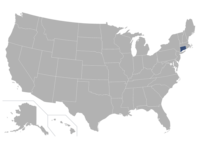
Hartford, CT