Paid Leave is helping workers — and businesses like mine
Aug 05, 2026 | 7:00 am ET
Description
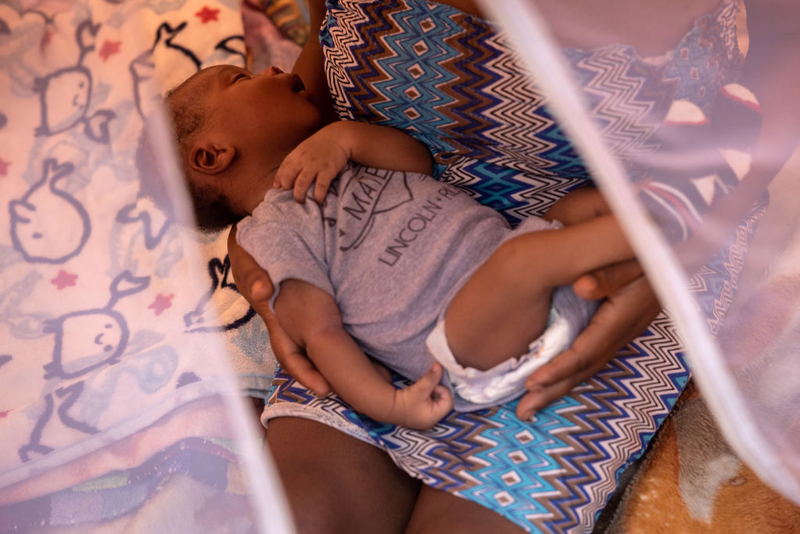
More than 38,000 approved applications for Paid Leave so far have been for new parents. (Photo by John Moore/Getty Images)
More than half of Minnesota Paid Leave applicants earn less than $78,000 a year, according to state data. These are the workers who staff our restaurants, clinics, retail counters and construction crews. These workers historically had the least access to employer-paid leave and the least cushion to fall back on when life happened anyway.
Before this program, an hourly employee facing a serious illness or a new baby often had two options: quit or return to work before they were ready. Unless they worked for my small business, which has paid out of pocket for loyal employees to get the care they need or to support those in need. These options are less than ideal for the employee and for the employer.
For small businesses like mine, the Paid Leave program saves me money while providing a safety net that my employees deserve. To do some back-of-the-napkin math, an employee earning $78,000 would have a premium of less than $700 a year. And that $700 is the total; businesses can decide whether to split the premium equally or take on a bit more. In return, the employee can receive partial wage replacement while away. For a worker earning $78,000 a year, estimated weekly payments from Paid Leave exceed $1,000. The math is clear. This is a good deal.
The geographic data reinforces why this matters beyond the Twin Cities. The Department of Employment and Economic Development, which runs the program, reports that 44% of applicants live outside the 7-county metro area. Greater Minnesota’s small businesses often operate with limited staff and fewer nearby job candidates to draw on than their metro counterparts; losing even one employee who has to care for an aging relative can mean weeks of scrambling. Without a return-to-work date, a small business owner might hesitate to hire a replacement, leaving them understaffed. Or they spend time, effort and money finding and training a new employee only to have them leave a few months later. A program that helps a rural clinic or hardware store retain the employee they already trained — rather than searching a shallow labor pool for a replacement — is doing real economic work in exactly the communities that can least afford instability.
The gender breakdown deserves attention, too. Nearly two-thirds of applicants are women. This is unsurprising given that more than 38,000 approved applications so far have been for new parents. Much of the retail and hospitality industries are disproportionately staffed by women. Not to mention child care centers, home health and personal care aides, cleaning companies and educators. Small employers in these women-dominated sectors have long struggled to retain talent through pregnancy and early parenthood — not for lack of will but for lack of resources to hold a position open unpaid for months. Paid Leave gives them a tool they never had before: a state-administered benefit that lets them keep experienced staff on the books through one of the most common reasons people leave the workforce altogether — in exactly the industries that can least afford to lose them.
None of this is free, and small business owners are right to have asked hard questions about the premiums when the law passed. But the program was built with that concern in mind. Employers with 30 or fewer employees pay a reduced premium rate, and because the benefit itself is paid by the state — not the employer’s payroll — a small business no longer has to choose between funding a worker’s leave out of its own cash flow and letting that worker go. Grant assistance is also available to help smaller employers offset early administrative costs.
Six months of data is not proof of a program’s long-term success, and Minnesota should keep watching how Paid Leave performs as it matures. But the early numbers point in a clear direction: The workers using Paid Leave are disproportionately the ones small businesses most need to retain and who previously could least afford to hold on to.
That is not a case against small business. It is a case for how far a modest, shared investment can go toward keeping Minnesota’s small employers competitive with the large ones down the street.

Saint Paul, MN