West Nile risk level rises in Rhode Island as virus found in more mosquitoes
Aug 03, 2026 | 5:13 pm ET
Description
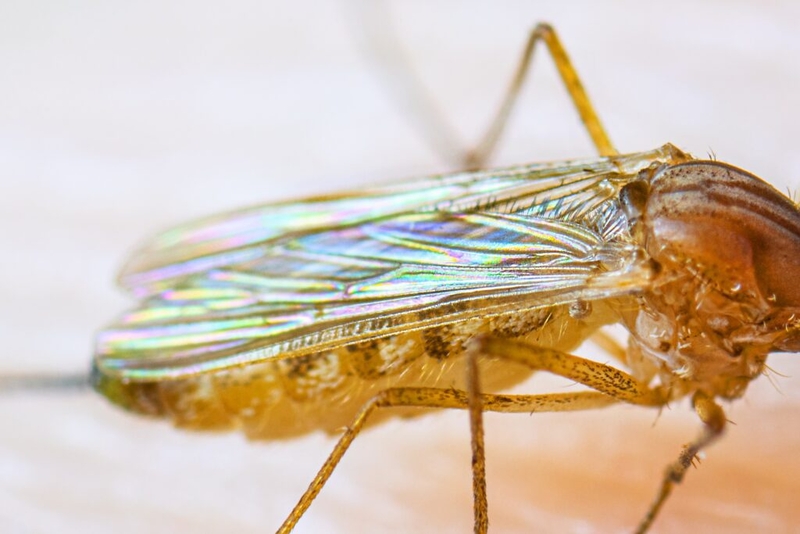
A close-up view of the wings and abdomen of a Culex quinquefasciatus, or southern house mosquito. (Photo by Lauren Bishop/U.S. Centers for Disease Control and Prevention)
Five mosquito pools collected in Providence County tested positive for West Nile virus last week, bringing Rhode Island’s total to seven positive samples this summer.
The latest findings in East Providence, North Providence and Providence led state officials to bump up the statewide West Nile risk level to “high,” according to a joint announcement issued by the Rhode Island departments of Environmental Management and Health.
No people have tested positive for West Nile in Rhode Island this year.
Last week’s positive samples all contained mosquitoes from the Culex genus, also known as typical mosquitoes, of which several species are known to transmit West Nile virus. This is the largest batch of positive samples tested in Rhode Island this mosquito season, which runs from May to October.
Three of the positive samples came from East Providence. North Providence and Providence accounted for one positive sample each. The five positives were gathered on July 20 as part of Environmental Management’s weekly testing. Mosquitoes are trapped at various locations statewide, then sorted into “pools” based on species. Each pool is then tested at the State Health Laboratory.
For the week of July 19 through July 25, 155 mosquito pools — 2,021 mosquitoes in all — were collected and tested.
The first positive sample of 2026 came from a Culex pool in Providence the week of June 28 to July 4. The second positive sample came from a pool containing a different kind of mosquito, Coquillettidia perturbans, that was collected in Cranston the week of July 12 to July 18.
So far, there haven’t been positive tests of any other mosquito-borne illnesses like Eastern Equine Encephalitis or Jamestown Canyon virus.
West Nile is the most common of mosquito-borne illnesses in the United States, and most infected people do not develop symptoms. About 1 in 5 who contract the virus may have fever, headaches or body aches. Rarely, the virus can cause neuroinvasive illnesses like encephalitis or meningitis.
There have been 113 cases of West Nile virus in people across 23 states so far in 2026, according to preliminary data from the U.S. Centers for Disease Control and Prevention. Of those cases, 76 involved neuroinvasive illness.
State health officials advise residents to guard against mosquitoes by applying bug repellant, wearing long sleeves and pants when the mosquitoes are active around dawn and dusk, emptying standing water where mosquitoes can breed and fixing holes in windows or door screens so mosquitoes can’t enter homes.
The Department of Health maintains and uploads its weekly testing data online.
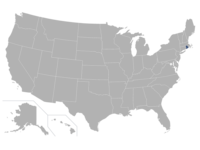
Providence, RI