Eight school-based health clinics close in Southwest Virginia as federal funding pressures mount
Jul 10, 2026 | 3:21 pm ET
Description
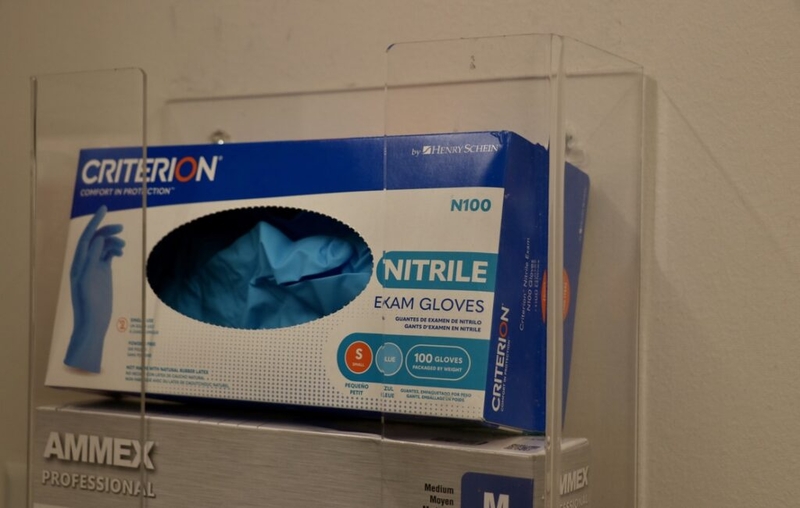
Exam gloves in a health clinic. (Photo by Charlotte Rene Woods/Virginia Mercury)
Federally Qualified Health Centers in Southwest Virginia have shut down eight school-based health clinics, prompting the Virginia Community Healthcare Association to urge U.S. Rep. Morgan Griffith, R-Salem, to intervene. The association, which represents FQHCs across the state, sent Griffith a letter Thursday about the closures.
The outreach program had served as an extension of health services into communities where access to primary care is limited. It has been funded by reinvesting savings from a federal drug pricing program back into the communities the clinics serve.
The federal program, known as 340B, allows qualifying hospitals and clinics that treat underserved populations to buy prescription drugs at steep discounts while charging insurers full price and keeping the difference.
The arrangement helps safety net providers that operate on tighter margins reinvest the savings back into their communities, including the school-based clinics that have since closed.
VCHA CEO Tracy Douglas wrote in her letter that the Southwest Virginia coalition of clinics had realized about $2.7 million in annual 340B savings, but those savings are projected to decline by $400,000 amid rising demand for care.
FQHCs are among safety net providers that also include free clinics and health-related nonprofits, all of which are facing growing demand as people lose health coverage amid various federal actions.
Simply put, it’s getting harder to stretch 340B dollars at a time when clinics are stretching everything.
Complicating matters are ongoing debates over the future of 340B.
After some hospital systems in Virginia and elsewhere were found to have improperly used the program, state and federal lawmakers have spent years exploring reforms to strengthen accountability, restrict how 340B is used and adjust how payments are made.
Reaction to the proposals has been mixed, with large pharmaceutical companies, pharmacies, hospital systems and smaller clinics like FQHCs offering competing views on how the program should be changed.
Outgoing U.S. Sen. Bill Cassidy, R-La., recently released draft legislation that FQHCs and other smaller clinics say could hurt them by changing reimbursement timelines, though broader reforms have drawn favorable responses from a variety of groups.
President Donald Trump’s administration also continues to pursue regulatory changes that would scale back the program.
“Because of the drama around the effectiveness of the program, we’re forced to have to make tough decisions,” Douglas said in a recent interview about the service cuts in Southwest Virginia.
The affected schools are:
- Northwood Middle School
- Saltville Elementary School
- Chilhowie Elementary School
- Chilhowie Middle/High School
- John S. Battle High School
- Highpoint Elementary School
- Virginia Elementary School
- Virginia High School
Calling the financial reality “stark,” Douglas said 340B savings had allowed the clinics to absorb the financial losses associated with operating the school-based health centers. Using 340B funds for that purpose, she said, is exactly what the program was designed to support. Douglas also recently participated in a roundtable discussion with Gov. Abigail Spanberger and representatives from Virginia hospitals, free clinics, state health agencies and health insurers.
With expired enhanced Affordable Care Act subsidies — though Virginia’s budget will help offset some of the impact for residents come November — and changes to Medicaid and hospital funding included in the federal reconciliation bill passed last summer, healthcare providers are warning lawmakers about mounting financial pressures and discussing ways to respond.
As thousands of Virginians lose or risk losing health coverage, providers expect greater demand for FQHCs, free clinics and hospital emergency rooms.
“What is happening in Virginia is very similar to what we know is happening in other states,” Spanberger said at the roundtable meeting earlier this week.
She emphasized that her administration is listening to providers and working to “look at how we can protect our vulnerable neighbors.”
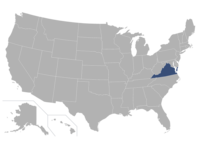
Richmond, VA