Iowans can catch the buzz and help out bumble bees
Jul 07, 2026 | 4:36 pm ET
Description
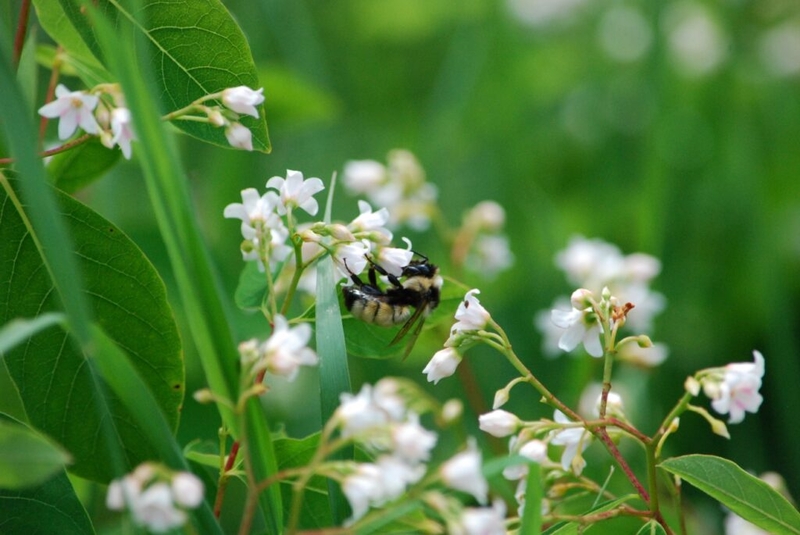
The tricolor bumble bee, pictured, is one of 13 species identified by volunteers in the Iowa Bumble Bee Atlas. (Photo by Megan Houle/USFWS)
Volunteers across Iowa conducted nearly 500 bumble bee atlas surveys in 2025, which was more than three times the number of surveys conducted the year prior.
The Iowa Department of Natural Resources is hosting several field days in July to help train volunteers who want to participate in the citizen science project that helps to assess bumble bee species distribution, population shifts and habitat associations across the country.
Iowa is one of 20 states participating in the Bumble Bee Atlas, a project initiated by the Xerces Society for Invertebrate Conservation. The atlas seeks to gather data about the fuzzy pollinators to better understand the habitats that are most in danger, and most important to restore, to help protect the nearly 50 species of bumble bees in North America.
The atlas results in Iowa show the most observed bumble bee in Iowa is the common eastern bumble bee and the brown-belted bumble bee, but volunteers have also recorded species like the federally endangered rusty patched bumble bee and the parasitic lemon cuckoo bumble bee.
Iowans have identified 13 species of bumble bee in Iowa since initiating the survey in 2023.
The first year, 34 participants logged fewer than 120 observations across the state. Those figures grew to 88 participants and more than 1,000 bumble bee observations in 2024 and most recently, to more than 120 participants logging more than 5,400 observations.
Those who wish to participate in a formal atlas survey will spend about 45 minutes, in a hectare-sized area, collecting bumble bees with a large insect net. Once the individual has netted a bumble bee, the bee is collected into a vial, then placed into a cooler to “chill” before the volunteer removes the now immobile bumble bee to take a photo and record the species. The bees are not harmed by this process and can fly off once they warm back up out of the cooler.
Volunteers should also note the plant species in the area and where the bumble bee was found. The Bumble Bee Atlas holds that managing existing habitat, or creating new habitat for bumble bees are the most “immediate and productive steps” to conserve the pollinators. According to the atlas, bumble bee population declines are likely due to habitat loss, pesticide use, a changing climate, introduced pathogens and low genetic diversity among the insects.
Join the Bumble Bee Atlas in Iowa
The Bumble Bee Atlas has several online training videos for volunteers and Iowans can register for free field training events led by DNR staff.
The department has three events on the calendar: July 11 at Honey Creek State Park, July 19 at Pony Creek Nature Center and July 25 at Nahant Marsh Education Center.
The atlas organized the state into 57 survey “grid cells” which interested volunteers can adopt to survey. For the 2026 monitoring season, there are still numerous survey grid cells that have not yet been adopted, according to the online map.
Three of the 57 grid cells in Iowa have yet to have a bumble bee atlas survey, while other cells have had 11 or more surveys conducted in the past two years.
The Iowa Bumble Bee Atlas asked volunteers that are able to travel, to adopt some of the high-priority survey grid cells this year. As is common with most citizen science projects, participation tends to be highest around urban areas.
DNR said registration is required for the upcoming field events, which are suitable for adults and children older than 8.
Des Moines, IA