Ayotte vetoes effort to help the wrongfully convicted prove their innocence
Jul 02, 2026 | 5:04 pm ET
Description
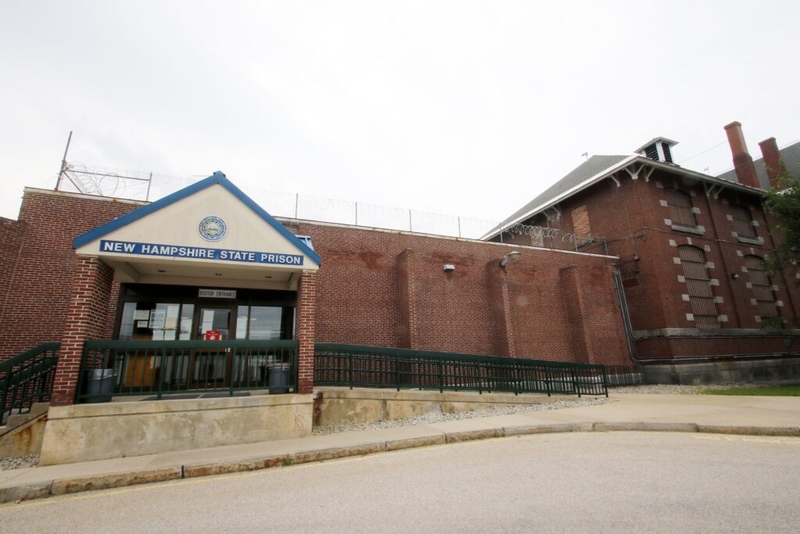
The New Hampshire State Prison for Men in Concord. (Photo by Allegra Boverman/New Hampshire Bulletin)
Gov. Kelly Ayotte vetoed a bill that would eliminated a three-year deadline for convicts to request a retrial based on new evidence.
House Bill 1422 was pushed by the New England Innocence Project, which works to overturn wrongful convictions, and supported by a bipartisan coalition of lawmakers. New Hampshire state law bars convicts from requesting a new trial three years after their conviction even if new evidence of their innocence emerges. HB 1422 would removed that deadline for inmates with new evidence.
The bill was opposed by prosecutors, who argued it was unnecessary and would lead to a deluge of frivolous motions by legitimately guilty inmates. They argued that inmates can file claims of habeas corpus, which allows a petitioner to request that the government justify why it’s detaining someone, or coram nobis, a request that a court fix a factual error. Ayotte herself is a former New Hampshire attorney general who has built her political persona around that former career. She echoed prosecutors’ complaints in her veto message Thursday.
“As a murder prosecutor and former Attorney General, I understand the need to pursue and deliver justice,” Ayotte wrote. Citing the habeas corpus and coram nobis claims, she argued, “We do not need to create a novel approach to allow defendants to seek a new trial.”
Innocence practitioners — attorneys who represent defendants post-conviction — say that habeas corpus and nobis coram complaints are insufficient and are regularly rejected by courts as those complaints require a constitutional violation, which new evidence and changes in science are not. The state needs a dedicated pathway for instances when new evidence emerges, they argue.
The New England Innocence Project and its national partners said that, as of Thursday, there have been 3,835 exonerations across the United States since 1989, according to the National Registry of Exonerations. In New Hampshire, there have been only three, according to the New England Innocence Project.
Prosecutors argue that’s a testament to the strength of New Hampshire’s public defenders and legal system. Innocence advocates say it’s not because people aren’t wrongfully convicted, but because state law makes it too onerous to prove one’s innocence post-conviction.
“Gov. Ayotte just ensured that innocent people will remain behind bars in New Hampshire,” the New England Innocence Project said in a statement. “Her veto of HB 1422 is not only callous — ignoring the many times new evidence of innocence arises that proves prior convictions to be erroneous — but it is also based on faulty reasoning, putting public safety at risk and upholding wrongful convictions.”
The organization argued that HB 1422 “would have provided a narrow exception to the three-year deadline,” that it “would not have created a new approach — as the Governor claims,” and that “no one would have been freed without a rigorous judicial review of this new evidence.”
This is the third time this legislation has failed. In 2024, Ayotte’s predecessor, former Gov. Chris Sununu, vetoed a similar bill, Senate Bill 507. He argued in his veto message that the “sentiment is sensible in the context of considering scientific and/or forensic breakthroughs, but the text of this legislation is problematic in that it is overly broad in allowing, if not inviting, an unending procession of frivolous petitions and appeals.” In 2025, Senate Bill 141 fell victim to legislative maneuvering. Both chambers of the Legislature had approved it, but the House added an unrelated provision related to public library confidentiality and the amended bill was killed when it returned to the Senate.
However, lawmakers still have the ability to enact House Bill 1422. They can override Ayotte’s veto later this year if a two-thirds majority of each chamber votes to do so.
Concord, NH