We are all connected to the Arctic
Jun 11, 2026 | 7:00 pm ET
Description
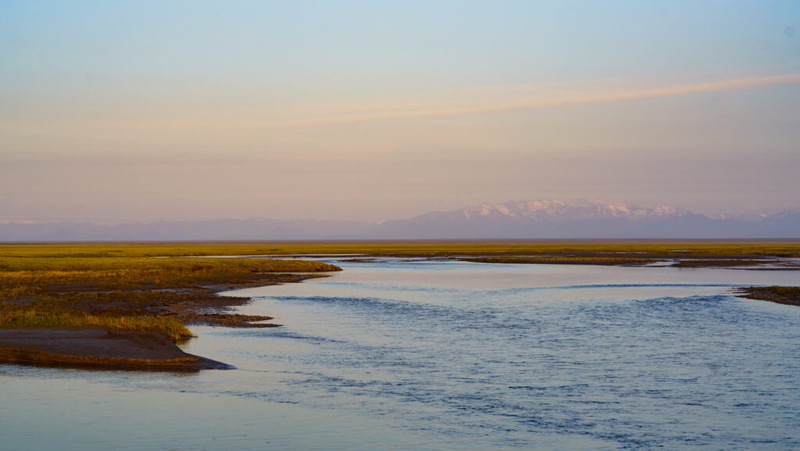
The Arctic National WIldlife Refuge coastal plain at the outflow of the Hulahula River, is seen on July 8, 2019. (Photo by Danielle Brigida/U.S. Fish and Wildlife Service)
Despite the Trump administration’s relentless effort to remove the American public from our right and duty to protect our public lands, the nation continues to speak out against the unspoiled Arctic National Wildlife Refuge being carved up and auctioned off for oil and gas lease sales — the latest of which happened on June 5.
Though you may not realize it, you’re closer than you think to the Arctic National Wildlife Refuge. Throughout the state, our backyards are part of a vast network of migratory flyways and habitats that all begin with summers in the Arctic.
The Arctic National Wildlife Refuge — the true diamond of American-owned public lands — annually hosts 200 bird species from the piping plovers that scuttle across Florida beaches to the green-winged teal that soar about Nevada. Spanning more than 19 million acres between the Beaufort Sea to the eastern Canadian border, the Arctic National Wildlife Refuge welcomes birds from around the world with plentiful food and a quiet place to nest. The 24-hour daylight of summertime fuels a booming insect and plant supply, aiding birds as they raise their young and prepare for thousand-mile migrations to our backyards and around the world.
This breadth of impact and importance of this region makes one ask: How will the sanctity of the Arctic Refuge be impacted by Earth-shattering quakes of seismic exploration and subsequent beating, drumming and thumping of oil rigs?
Like clockwork, white fronted geese, Tundra swans, black-bellied and piping plovers, sand hill cranes and Wilson’s warblers make extraordinary migrations between wintering grounds and Arctic breeding habitats: an essential place that keeps our ecosystems in balance. In every state, birds are both key predators and prey; they pollinate plants, disperse seeds, manage pests and cycle nutrients.
Brant are a key stimulator to healthy eelgrass growth and nutrients that bolster coastal environments, and that couldn’t happen without summers in Alaska. While the survival of Pacific black brant relies on food accessible in the Izembek Lagoon, it is in the Arctic National Wildlife Refuge and areas of the Arctic coastal plain that this goose begins its impressive journey south.
Protecting the Arctic Refuge means protecting a vital link in a migratory network that stretches across North America and around the world. Inviting development into a national wildlife refuge already goes against the purpose of the National Refuge System — against the protections that millions of Americans have time and again voiced support for — and will have resounding impacts that will surely leave wildlife in a precarious state of uncertainty.
Whether it is a snow goose in California, a semipalmated sandpiper in New York or a tundra swan in the Midwest, Americans are connected to the Arctic through the wildlife they encounter every day.
The Arctic National Wildlife Refuge may seem distant, but we are closer to it than we think. Its birds connect our coasts, our communities and our backyards through one of the most remarkable migrations on the planet.
As the nation considers the future of this extraordinary landscape, we should recognize that protecting the Arctic Refuge is not simply an Alaska issue. It is an American responsibility. The wildlife that depend on the Refuge belong to all of us, and so does the obligation to ensure that future generations inherit a world where these migrations continue to inspire wonder, connect ecosystems and remind us that we are part of something larger than ourselves.
Juneau